
.jpeg)
What should you pay attention to in the instructions for pimotebib?
Pimitespib , trade nameJeselhy, is a heat shock protein 90 (HSP90) inhibitor, mainly used to treat patients with gastrointestinal stromal tumor (GIST) whose disease has progressed after chemotherapy. When using this medicine, it is important to understand the key elements in its package insert to ensure that the treatment is safe and effective.
1. Indications:
Pimetibib is suitable for patients with GIST whose disease has progressed after previous treatment with imatinib mesylate and sunitinib malate.GIST. As an HSP90 inhibitor, pimetibi inhibits tumor growth by interfering with the protein folding process in tumor cells.
2. Usage and dosage:
The recommended dose is 160 mg once daily, orally. It is recommended to take it on an empty stomach, that is, at least 1 hour before or 2 hours after a meal. The treatment plan is to take the drug for 5 days, then stop the drug for 2 days, and then repeat the cycle. Depending on the patient's specific condition, the doctor may adjust the dosage. If you miss a dose, it is recommended to skip the dose and continue with the next regular dosing schedule; if you accidentally take an overdose, you should consult your doctor or pharmacist immediately.
3. Contraindications:
It is contraindicated in patients with a history of hypersensitivity to pimetibib or any of its components.
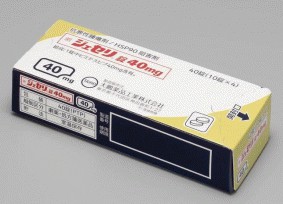
4. Warnings and precautions:
Liver function monitoring: During treatment, liver function indicators, such as aspartate aminotransferase (AST) and alanine aminotransferase (ALT), should be monitored regularly. If liver function abnormalities occur, dose adjustment or treatment suspension may be necessary.
Renal function monitoring: Because pimetibib may affect renal function, regular testing of serum creatinine levels is recommended. For patients with existing renal impairment, it should be used with caution and the dosage adjusted according to the situation.
Hematological monitoring: Routine blood tests should be performed regularly during treatment to monitor possible hematological abnormalities such as neutropenia or thrombocytopenia.
Gastrointestinal reactions: Common adverse reactions of pimetibib include diarrhea, nausea and loss of appetite. For patients who experience severe gastrointestinal reactions, symptomatic treatment should be given, and dosage adjustment or medication suspension should be considered.
Eye symptoms: Some patients may experience blurred vision or other eye discomfort symptoms. If such symptoms occur, you should seek medical treatment promptly.
5. Adverse reactions:
Clinical studies have shown that common adverse reactions of pimetibib include:
Gastrointestinal reactions: such as diarrhea, nausea, vomiting and loss of appetite.
Hematological abnormalities: such as neutropenia, anemia, and thrombocytopenia.
Abnormal liver function: such asincreased AST and ALT, etc.
Eye symptoms: such as blurred vision, etc.
Most adverse reactions are mild to moderate, but for severe adverse reactions, treatment suspension or discontinuation should be considered.
6. Storage conditions:
Pimoteb should be stored in a cool, dry, dark environment, away from high temperatures and moisture. Medications should be kept out of the reach of children.
Reference materials:https://en.wikipedia.org/wiki/Pimitespib
[ 免责声明 ] 本页面内容来自公开渠道(如FDA官网、Drugs官网、原研药厂官网等),仅供持有医疗专业资质的人员用于医学药学研究参考,不构成任何治疗建议或药品推荐。所涉药品可能未在中国大陆获批上市,不适用于中国境内销售和使用。如需治疗,请咨询正规医疗机构。本站不提供药品销售或代购服务。


