
.jpeg)
How effective is the combination of capmatinib and osimertinib?
Capmatinib and Osimertinib (Osimertinib) are two targeted drugs with different mechanisms, respectively used to treat non-small cell lung cancer (NSCLC) . Capmatinib is a MET inhibitor specifically used to treat non-small cell lung cancer carrying MET gene mutations or MET exon 14 skipping mutations, while osimertinib is a targeted drug targeting EGFR (epidermal growth factor receptor) mutations, specifically used to treat non-small cell lung cancer positive for EGFR T790M mutations. In recent years, researchers have begun to pay attention to the effects of the combined use of these two drugs, especially in the treatment of patients with advanced non-small cell lung cancer.
The efficacy of the combined use of capmatinib and osimertinib needs to be discussed first from the complementarity of their mechanisms of action. MET gene mutations and EGFR mutations are two common driver gene mutations, and many patients with non-small cell lung cancer may have both mutations. These patients, who often receive EGFR inhibitor monotherapy, may develop treatment resistance, making combination therapy an attractive option. Capmatinib can help control the proliferation of tumor cells related to MET mutations by inhibiting tumor growth signaling in the MET pathway. Osimertinib effectively controls the growth of tumor cells caused by EGFR mutations by inhibiting the abnormal activation signals of EGFR.
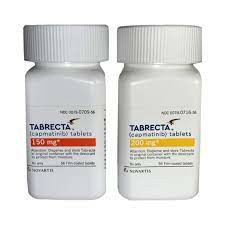
Clinical studies have shown that the combination treatment of capmatinib and osimertinib has good efficacy in some patients with non-small cell lung cancer. Especially in those patients who carry both MET exon 14 skipping mutations and EGFR mutations, combination therapy showed a significant improvement in efficacy. Studies have shown that the combination of capmatinib and osimertinib can effectively delay tumor progression and improve patients' quality of life. A clinical trial targeting combination therapy (such as the INSIGHT-2 study) showed that for drug-resistant patients who have previously received EGFR inhibitor treatment, the combination of capmatinib and osimertinib can significantly improve progression-free survival (PFS), with controllable side effects.
Although the combination of capmatinib and osimertinib has shown promising results, there are some challenges and side effects to be aware of. Combined medication may often increase the incidence of adverse reactions, especially common side effects related to targeted drugs such as pneumonia, rash, and diarrhea. Studies have shown that when capmatinib is combined with osimertinib, a certain proportion of patients may experience these side effects. Although most side effects are mild to moderate, some patients may need to reduce the dose or discontinue the drug. Therefore, in clinical application, doctors need to adjust the treatment plan according to the patient's tolerance.
Overall, the efficacy of the combination of capmatinib and osimertinib is very promising, especially for those who also have carriersPatients with non-small cell lung cancer with EGFR and MET mutations. The advantage of combination therapy is that it can target two key driver mutations at the same time, providing a more comprehensive effect in inhibiting tumor growth. However, combined medication is also accompanied by a certain risk of side effects. Therefore, the patient's condition and side effects need to be closely monitored during the treatment process to ensure the safety and effectiveness of the treatment. With further accumulation of clinical data, the application prospects of capmatinib and osimertinib combination therapy may become clearer and bring new treatment options to more patients.
Reference materials:https://www.novartis.com/our-products/pipeline/capmatinib
[ 免责声明 ] 本页面内容来自公开渠道(如FDA官网、Drugs官网、原研药厂官网等),仅供持有医疗专业资质的人员用于医学药学研究参考,不构成任何治疗建议或药品推荐。所涉药品可能未在中国大陆获批上市,不适用于中国境内销售和使用。如需治疗,请咨询正规医疗机构。本站不提供药品销售或代购服务。


