
.jpeg)
What are the side effects of erdafitinib? How to mitigate and prevent adverse reactions?
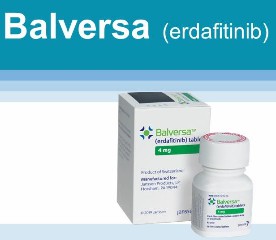
Erdafitinib is an oral targeted drug mainly used to treat metastatic urothelial carcinoma (UC) with FGFR gene mutations. Although erdafitinib has significant efficacy during treatment, it may also cause some side effects that affect the patient's treatment process and quality of life. Therefore, understanding its side effects and countermeasures is key to ensuring the safety and effectiveness of treatment.
1. Common side effects
The side effects of erdafitinib are usually related to its inhibition of the FGFR pathway, and patients may experience some common adverse reactions during treatment. The most common side effects include:
Rash: Rash is a common adverse reaction when using erdafitinib, usually manifesting as skin redness, swelling, itching, or papules. Most rashes are mild and self-limiting, but severe cases may cause discomfort to the patient.
Eye problems: including conjunctivitis, dry eyes, blurred vision, etc. Some patients may experience eye discomfort or dryness.
Fatigue: Patients may feel tired while taking erdafitinib, which affects daily activities.
Mouth ulcers and dry mouth: Patients may develop mouth ulcers or dry mouth, making it difficult to eat.
Abnormal liver function: Some patients may experience elevated liver function indicators, such as elevated liver enzymes (AST, ALT), which may need to be monitored through blood tests.
2. Serious side effects
Although most side effects are mild, a small number of patients may experience some serious adverse reactions, including:
Hypercalcemia: Hypercalcemia may cause nausea, vomiting, constipation, fatigue, drowsiness and other symptoms. If not treated in time, it may have serious consequences for health.
Impaired kidney function: In rare cases, erdafitinib may affect kidney function, leading to kidney failure.
For common side effects, patients and doctors can take a series of mitigation measures:
Rash relief: For mild rashes, topical steroid ointments or antihistamines can provide relief. For moderate to severe rashes, your doctor may recommend suspending the medication or adjusting the dose, and then resuming treatment after the rash resolves.
Treatment of eye problems: Patients with eye discomfort can use artificial tear eye drops to relieve dry eyes. If severe blurred vision or conjunctivitis occurs, timely medical attention is required. Medication may need to be discontinued or the treatment plan may need to be adjusted.
Mouth ulcers and dry mouth: Regular use of a chlorhexidine-containing mouthwash can help relieve oral discomfort, avoid spicy foods, and keep your mouth clean. If the mouth ulcer is severe, topical treatments may be considered.
Management of fatigue: Patients should maintain a regular schedule, appropriately increase rest time, and avoid overexertion. Mild exercise and meditation can also help relieve fatigue.
Liver function monitoring: Regularly monitor liver function to ensure that liver enzyme levels remain within a safe range. If abnormalities are found, the doctor may adjust the dose or suspend drug treatment.
4. Measures to prevent adverse reactions
To prevent side effects, patients can take the following measures:
Regular check-ups: Patients need to have regular blood tests during treatment, especially liver function, kidney function and calcium levels, so that potential problems can be detected in time and intervention measures can be taken.
Adjust your diet and lifestyle: Maintaining a healthy diet and adding foods rich in vitamin C and B vitamins can help improve skin health and boost immunity. Avoid high-calcium foods or supplements to reduce the risk of hypercalcemia.
Communicate closely with doctors: Patients should communicate with doctors regularly during treatment and report any symptoms of discomfort in a timely manner. If serious side effects occur, you should consult your doctor immediately so that the treatment plan can be adjusted or other necessary interventions can be taken.
Although erdafitinib is highly effective in treating urothelial cancer, side effects are a part of patient treatment that require close attention. By understanding common side effects and how to mitigate and prevent them, patients can better manage their treatment and improve the safety and effectiveness of their treatment. Regular checkups, a healthy diet, and timely communication with your doctor are keys to ensuring successful treatment.
Reference link: https://www.balversa.com/
1. Common side effects
The side effects of erdafitinib are usually related to its inhibition of the FGFR pathway, and patients may experience some common adverse reactions during treatment. The most common side effects include:
Rash: Rash is a common adverse reaction when using erdafitinib, usually manifesting as skin redness, swelling, itching, or papules. Most rashes are mild and self-limiting, but severe cases may cause discomfort to the patient.
Eye problems: including conjunctivitis, dry eyes, blurred vision, etc. Some patients may experience eye discomfort or dryness.
Fatigue: Patients may feel tired while taking erdafitinib, which affects daily activities.
Mouth ulcers and dry mouth: Patients may develop mouth ulcers or dry mouth, making it difficult to eat.
Abnormal liver function: Some patients may experience elevated liver function indicators, such as elevated liver enzymes (AST, ALT), which may need to be monitored through blood tests.
2. Serious side effects
Although most side effects are mild, a small number of patients may experience some serious adverse reactions, including:
Hypercalcemia: Hypercalcemia may cause nausea, vomiting, constipation, fatigue, drowsiness and other symptoms. If not treated in time, it may have serious consequences for health.
Impaired kidney function: In rare cases, erdafitinib may affect kidney function, leading to kidney failure.
Gastrointestinal discomfort: Symptoms such as nausea, vomiting, and diarrhea may affect the patient's nutrient absorption and quality of life.
For common side effects, patients and doctors can take a series of mitigation measures:
Rash relief: For mild rashes, topical steroid ointments or antihistamines can provide relief. For moderate to severe rashes, your doctor may recommend suspending the medication or adjusting the dose, and then resuming treatment after the rash resolves.
Treatment of eye problems: Patients with eye discomfort can use artificial tear eye drops to relieve dry eyes. If severe blurred vision or conjunctivitis occurs, timely medical attention is required. Medication may need to be discontinued or the treatment plan may need to be adjusted.
Mouth ulcers and dry mouth: Regular use of a chlorhexidine-containing mouthwash can help relieve oral discomfort, avoid spicy foods, and keep your mouth clean. If the mouth ulcer is severe, topical treatments may be considered.
Management of fatigue: Patients should maintain a regular schedule, appropriately increase rest time, and avoid overexertion. Mild exercise and meditation can also help relieve fatigue.
Liver function monitoring: Regularly monitor liver function to ensure that liver enzyme levels remain within a safe range. If abnormalities are found, the doctor may adjust the dose or suspend drug treatment.
4. Measures to prevent adverse reactions
To prevent side effects, patients can take the following measures:
Regular check-ups: Patients need to have regular blood tests during treatment, especially liver function, kidney function and calcium levels, so that potential problems can be detected in time and intervention measures can be taken.
Adjust your diet and lifestyle: Maintaining a healthy diet and adding foods rich in vitamin C and B vitamins can help improve skin health and boost immunity. Avoid high-calcium foods or supplements to reduce the risk of hypercalcemia.
Communicate closely with doctors: Patients should communicate with doctors regularly during treatment and report any symptoms of discomfort in a timely manner. If serious side effects occur, you should consult your doctor immediately so that the treatment plan can be adjusted or other necessary interventions can be taken.
Although erdafitinib is highly effective in treating urothelial cancer, side effects are a part of patient treatment that require close attention. By understanding common side effects and how to mitigate and prevent them, patients can better manage their treatment and improve the safety and effectiveness of their treatment. Regular checkups, a healthy diet, and timely communication with your doctor are keys to ensuring successful treatment.
Reference link: https://www.balversa.com/
[ 免责声明 ] 本页面内容来自公开渠道(如FDA官网、Drugs官网、原研药厂官网等),仅供持有医疗专业资质的人员用于医学药学研究参考,不构成任何治疗建议或药品推荐。所涉药品可能未在中国大陆获批上市,不适用于中国境内销售和使用。如需治疗,请咨询正规医疗机构。本站不提供药品销售或代购服务。


