
.jpeg)
Is 0.01% atropine sulfate eye drops effective in treating myopia? How effective is it in clinical studies?
0.01% atropine sulfate eye drops (EIKANCE) is a drug used to alleviate the progression of myopia and is widely used in the clinical treatment of myopia control in adolescents. Atropine sulfate itself is an anticholinergic drug that can reduce the accommodation ability of the eyes through pupil dilation, thereby reducing the rate of progression of myopia. In recent years, atropine sulfate eye drops with a concentration of 0.01% has been proven to have a significant effect on delaying the progression of myopia in children and adolescents, and is an effective means to control the development of myopia.
According to multiple clinical studies,0.01%Atropine Sulfate Eye Drops have shown good efficacy in controlling the progression of myopia. For example, a clinical trial in children and adolescents found that long-term use of atropine sulfate eye drops at a concentration of 0.01% significantly slowed the annual progression of myopia. Research data shows that the average annual growth rate of myopia in children who use this drug is about 50% lower than that of non-users. In addition, it has mild side effects and is well tolerated. It is currently one of the recommended drugs to control the progression of myopia.
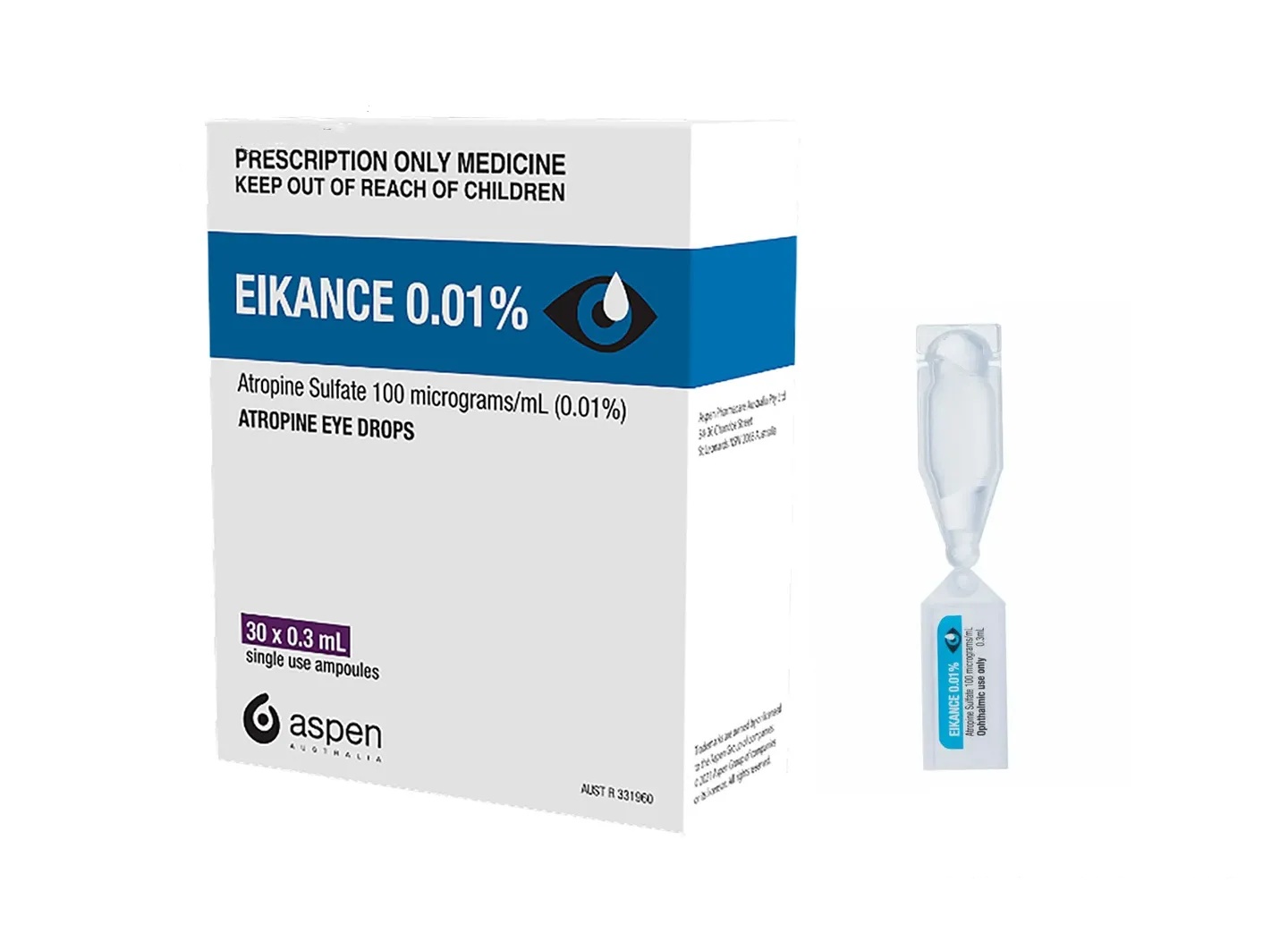
The mechanism of action of atropine sulfate is related to its inhibitory effect on the regulatory muscles of the eye. This drug reduces the eye's ability to adjust, thereby preventing the progression of myopia. Compared with high-concentration atropine sulfate, a concentration of 0.01% can effectively inhibit the progression of myopia while reducing drug side effects such as pupil dilation and blurred vision. Its effect on the retina is to slow down the progression of myopia by reducing the change in the refractive power of the eyeball.
In actual clinical practice, 0.01%Atropine sulfate eye drops are often used as part of myopia management in children. This medication, usually used once daily, slows the progression of myopia by reducing the elongation of the eye's axis. In some long-term follow-up studies, the progression of myopia in patients after drug treatment was significantly lower than that in the control group. Especially for children between 6 and 12 years old, use 0.01%
0.01%Atropine sulfate eye drops have relatively few side effects. Common adverse reactions are mainly local irritation symptoms, such as mild eye burning or discomfort. In addition, due to the low concentration of the drug, there are fewer problems such as pupil dilation or blurred vision, so it is better tolerated by patients. When using this drug for a long time, regular monitoring of intraocular pressure is required to ensure the safety of the drug.
Reference materials:https://www.medsafe.govt.nz/profs/datasheet/e/EikanceEyeDrops.pdf
[ 免责声明 ] 本页面内容来自公开渠道(如FDA官网、Drugs官网、原研药厂官网等),仅供持有医疗专业资质的人员用于医学药学研究参考,不构成任何治疗建议或药品推荐。所涉药品可能未在中国大陆获批上市,不适用于中国境内销售和使用。如需治疗,请咨询正规医疗机构。本站不提供药品销售或代购服务。


