
.jpeg)
What is the usage and dosage of cimepilimab? How to adjust the dose according to the condition?
Cemiplimab is an immune checkpoint inhibitor and an anti-PD-1 monoclonal antibody. It works by blocking programmed death protein 1 (PD-1) and its ligand (PD-L1PD-L1 The combination of pan> and PD-L2) enhances the immune response of T cells and promotes the body’s immune attack on tumors. Cimepilimab is mainly used to treat specific types of cancer, including non-small cell lung cancer (NSCLC) and cutaneous squamous cell carcinoma (CSCC). For this type of tumor, cimepilimab can improve the survival expectancy of patients by enhancing the activity of the body's immune system.
Usage and dosage:
Cimepilimab is usually administered by intravenous injection, usually every two weeks or every three weeks. The specific dose and frequency need to be adjusted based on the patient's disease type, clinical response and treatment tolerance.
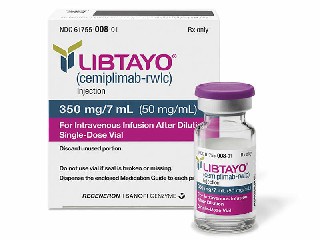
1.Non-small cell lung cancer (NSCLC): For the treatment of PD-L1 positive non-small cell lung cancer, the recommended dose of cimepilimab is 350 mg intravenously every three weeks. If the patient's tumor tissue has low PD-L1 expression levels or has other clinical factors, different treatment options may need to be considered.
2.Cutaneous squamous cell carcinoma (CSCC): In the treatment of cutaneous squamous cell carcinoma, the recommended dose of cimepilimab is 350 mg given intravenously every three weeks. This delivery method has proven effective in patients with inoperable or metastatic cutaneous squamous cell carcinoma.
3.Other indications: Cimepilimab may also be used in some other immune-related cancers, such as head and neck squamous cell carcinoma. In these cases, the dosage and dosing frequency are generally the same as above. The specific treatment plan needs to be determined based on the patient's specific situation and the doctor's judgment.
Dosage adjustment:
During treatment with cimepilimab, the patient's physical condition, disease progression, and occurrence of adverse reactions are important factors that need to be considered. Dose adjustment is mainly based on the patient’s adverse reactions and clinical reactions:
1.Immune-related adverse reactions: Cimepilimab may cause some immune-related side effects, such as pneumonia, hepatitis, colitis, etc. If a patient experiences these serious adverse reactions, treatment may need to be suspended until the adverse reactions resolve. After the adverse reactions are relieved, the doctor will decide whether to resume treatment according to the patient's condition, and may consider reducing the dose or extending the dosing interval.
2. Differences in treatment tolerability: In some patients, treatment may need to be adjusted based on their tolerance to cimepilimab. If a patient exhibits an exaggerated immune response or other symptoms of discomfort, the dose may need to be reduced or treatment suspended. Additionally, cimepilimab may need to be used with special caution in patients with other serious health problems.
3. Abnormal liver function: Cimepilimab may affect liver function, especially in patients with liver disease. If the patient experiences elevated liver function indicators (such as elevated transaminases, etc.), treatment may need to be suspended until the liver function returns to normal. If liver function recovers well, treatment can be resumed and the dosage adjusted.
4.Continuous efficacy evaluation: The efficacy of cimepilimab is not immediately visible. Therefore, patients need to undergo regular imaging examinations and other related tests during treatment to evaluate the treatment effect. If a patient experiences significant clinical progression or insufficient efficacy during treatment, the treatment regimen may need to be adjusted.
Cimepilimab, as an immune checkpoint inhibitor, has broad anti-tumor effects and can treat various types of cancer by enhancing the body's immune response. When using cimepilimab, the choice of dosage and dosing frequency needs to be determined based on the patient's specific condition, immune response, and tolerability. Regular monitoring and timely adjustments to the treatment plan are essential for optimal treatment results. At the same time, patients should pay close attention to any possible adverse reactions and communicate with their doctors to ensure the safety and effectiveness of the treatment.
Reference materials:https://www.libtayohcp.com/
[ 免责声明 ] 本页面内容来自公开渠道(如FDA官网、Drugs官网、原研药厂官网等),仅供持有医疗专业资质的人员用于医学药学研究参考,不构成任何治疗建议或药品推荐。所涉药品可能未在中国大陆获批上市,不适用于中国境内销售和使用。如需治疗,请咨询正规医疗机构。本站不提供药品销售或代购服务。


