
.jpeg)
Which class of antibiotics does linezolid belong to? What are its unique advantages over other antibiotics?
Linezolid is an antibiotic that belongs to the oxazolidinone class of antibiotics. Oxazolidinone antibiotics are a relatively new class of antibiotics. Their mechanism of action is different from traditional antibiotics and they can effectively inhibit the growth of drug-resistant bacteria. Linezolid mainly exerts its antibacterial effect by inhibiting bacterial protein synthesis, especially against Gram-positive bacteria (such as Staphylococcus aureus, Streptococcus, etc.).
1. Effectiveness against drug-resistant bacteria: Linezolid has shown significant efficacy against multi-drug-resistant pathogenic bacteria such as methicillin-resistant Staphylococcus aureus (MRSA) and vancomycin-resistant enterococci (VRE). Because these drug-resistant pathogens are very challenging to treat clinically, linezolid provides an effective treatment option.
2. Dual oral and intravenous administration: Linezolid has good oral bioavailability, and patients can obtain similar therapeutic effects as intravenous injection through oral dosage forms. This allows linezolid to be more flexible in clinical treatment, allowing patients to continue oral medication at home after hospital treatment, thereby reducing hospital stay.
3. Less cross-resistance: Many antibiotic-resistant bacteria will develop resistance to multiple drugs, while linezolid resistance emerges slowly and has low cross-resistance with other antibiotics. Therefore, it remains important for the treatment of drug-resistant bacteria.
4. Broad-spectrum antibacterial effect: In addition to its powerful effect on Gram-positive bacteria, linezolid also has an inhibitory effect on some Gram-negative bacteria, mycoplasma, etc. to a certain extent, expanding the scope of its treatment indications.
Linezolid, an oxazolidinone antibiotic, has shown unique advantages in the treatment of drug-resistant bacteria, especially methicillin-resistant Staphylococcus aureus and vancomycin-resistant enterococci. Its dual oral and intravenous administration characteristics and less cross-resistance make it an important choice for the treatment of multi-drug-resistant infections in the clinic.
Reference: https://go.drugbank.com/drugs/DB00601
Linezolid interferes with the early stages of protein synthesis by binding to the 50S ribosome subunit of bacteria and inhibiting the protein translation process. This is different from the mechanism of action of many traditional antibiotics, which typically work by interfering with bacterial cell wall synthesis or DNA synthesis. Due to its unique mechanism of action, linezolid is effective against many drug-resistant bacteria, especially those resistant to other antibiotics.
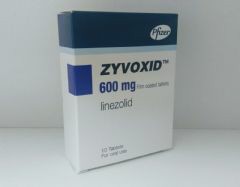
1. Effectiveness against drug-resistant bacteria: Linezolid has shown significant efficacy against multi-drug-resistant pathogenic bacteria such as methicillin-resistant Staphylococcus aureus (MRSA) and vancomycin-resistant enterococci (VRE). Because these drug-resistant pathogens are very challenging to treat clinically, linezolid provides an effective treatment option.
2. Dual oral and intravenous administration: Linezolid has good oral bioavailability, and patients can obtain similar therapeutic effects as intravenous injection through oral dosage forms. This allows linezolid to be more flexible in clinical treatment, allowing patients to continue oral medication at home after hospital treatment, thereby reducing hospital stay.
3. Less cross-resistance: Many antibiotic-resistant bacteria will develop resistance to multiple drugs, while linezolid resistance emerges slowly and has low cross-resistance with other antibiotics. Therefore, it remains important for the treatment of drug-resistant bacteria.
4. Broad-spectrum antibacterial effect: In addition to its powerful effect on Gram-positive bacteria, linezolid also has an inhibitory effect on some Gram-negative bacteria, mycoplasma, etc. to a certain extent, expanding the scope of its treatment indications.
Linezolid, an oxazolidinone antibiotic, has shown unique advantages in the treatment of drug-resistant bacteria, especially methicillin-resistant Staphylococcus aureus and vancomycin-resistant enterococci. Its dual oral and intravenous administration characteristics and less cross-resistance make it an important choice for the treatment of multi-drug-resistant infections in the clinic.
Reference: https://go.drugbank.com/drugs/DB00601
[ 免责声明 ] 本页面内容来自公开渠道(如FDA官网、Drugs官网、原研药厂官网等),仅供持有医疗专业资质的人员用于医学药学研究参考,不构成任何治疗建议或药品推荐。所涉药品可能未在中国大陆获批上市,不适用于中国境内销售和使用。如需治疗,请咨询正规医疗机构。本站不提供药品销售或代购服务。


