
.jpeg)
What is the dosage of erlotinib? How should patients take it correctly to achieve the best results?
Erlotinib is a targeted therapy drug mainly used to treat non-small cell lung cancer (NSCLC) and pancreatic cancer. For patients with non-small cell lung cancer, the generally recommended dose is 150 mg once daily, while for patients with pancreatic cancer, the standard dose is 100 mg once daily. Patients should adjust the dosage according to their physician's advice, and the specific dosage may be adjusted based on the patient's tolerance and disease response.
For patients with strong drug resistance or side effects, doctors may adjust the dose based on specific circumstances. If side effects occur, such as rash, diarrhea, etc., the doctor may recommend reducing the dose or temporarily stopping the drug, and then resume treatment after the symptoms are relieved.
Patients should avoid combined use with certain drugs when taking erlotinib, because certain drugs may affect the metabolism of erlotinib, causing the drug concentration to be too high or too low, thus affecting the efficacy or exacerbating side effects. In particular, antacids, antibiotics, and some antifungal drugs may interact with erlotinib, so you should tell your doctor when taking these drugs.
In addition, patients should regularly check their liver function, eye and lung health while taking the drug, as erlotinib may cause some adverse reactions, such as liver damage, eye problems and lung problems.
To sum up, patients should take erlotinib on time and in the right amount, follow the doctor's guidance, avoid adjusting the drug dosage or medication time without authorization, and regularly monitor the body's response to ensure maximum treatment effect.
Reference: https://en.wikipedia.org/wiki/Erlotinib
Erlotinib should be taken orally and can be taken on an empty stomach. Patients are usually advised to take it at least 1 hour before or 2 hours after eating. Doing this will help improve the absorption of the drug, as food may affect the bioavailability of the drug. Medications should be swallowed whole and should not be chewed, crushed or divided. Patients may swallow with water.
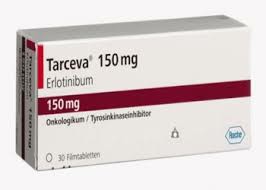
For patients with strong drug resistance or side effects, doctors may adjust the dose based on specific circumstances. If side effects occur, such as rash, diarrhea, etc., the doctor may recommend reducing the dose or temporarily stopping the drug, and then resume treatment after the symptoms are relieved.
Patients should avoid combined use with certain drugs when taking erlotinib, because certain drugs may affect the metabolism of erlotinib, causing the drug concentration to be too high or too low, thus affecting the efficacy or exacerbating side effects. In particular, antacids, antibiotics, and some antifungal drugs may interact with erlotinib, so you should tell your doctor when taking these drugs.
In addition, patients should regularly check their liver function, eye and lung health while taking the drug, as erlotinib may cause some adverse reactions, such as liver damage, eye problems and lung problems.
To sum up, patients should take erlotinib on time and in the right amount, follow the doctor's guidance, avoid adjusting the drug dosage or medication time without authorization, and regularly monitor the body's response to ensure maximum treatment effect.
Reference: https://en.wikipedia.org/wiki/Erlotinib
[ 免责声明 ] 本页面内容来自公开渠道(如FDA官网、Drugs官网、原研药厂官网等),仅供持有医疗专业资质的人员用于医学药学研究参考,不构成任何治疗建议或药品推荐。所涉药品可能未在中国大陆获批上市,不适用于中国境内销售和使用。如需治疗,请咨询正规医疗机构。本站不提供药品销售或代购服务。


