
.jpeg)
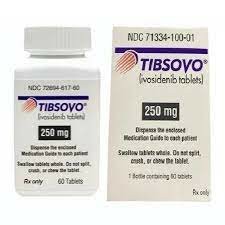
What are the indications, dosage, and precautions of ivonib?
Ivonib is usually administered orally. The recommended dose for adult patients is 500 mg once daily, which may be taken with food. At the beginning of treatment, the dose can be gradually adjusted, and the specific dose should be adjusted according to the patient's tolerance and the doctor's recommendations. Ivonib needs to be continued until the condition is controlled or significant adverse effects occur. For patients with impaired liver function, drug dosage may need to be adjusted, and the specific decision needs to be based on the doctor's judgment and test results.
1. Liver function monitoring: Ivonib may cause liver damage, so during treatment, patients need to regularly check liver function, especially the levels of liver enzymes (such as ALT, AST). If liver function is abnormal, the dose should be adjusted or treatment suspended.
2. Pregnancy and lactation: The effect of ivonib on the fetus is unclear, and pregnant women should avoid using this drug. If the patient becomes pregnant during treatment, the patient should inform the doctor immediately. Breastfeeding women should also be careful when using ivonib to avoid passing the drug to their infants through breast milk.
3. Interactions with other drugs: Ivonib may interact with certain drugs, so before starting treatment, patients should inform their doctor of all drugs they are taking, including prescription drugs, over-the-counter drugs, and herbal supplements.
4. Side effect management: Common side effects include nausea, fatigue, loss of appetite, etc. If patients experience serious side effects, they need to contact their doctor immediately, and their treatment plan may need to be adjusted.
Reference link: https://www.tibsovo.com/
[ 免责声明 ] 本页面内容来自公开渠道(如FDA官网、Drugs官网、原研药厂官网等),仅供持有医疗专业资质的人员用于医学药学研究参考,不构成任何治疗建议或药品推荐。所涉药品可能未在中国大陆获批上市,不适用于中国境内销售和使用。如需治疗,请咨询正规医疗机构。本站不提供药品销售或代购服务。


