
.jpeg)
What are the important precautions when using tofacitinib? What behaviors or foods should the patient avoid?
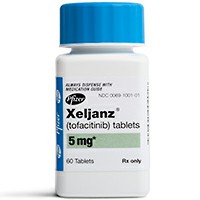
Tofacitinib is a Janus kinase (JAK) inhibitor that is mainly used to treat immune-mediated inflammatory diseases such as rheumatoid arthritis, psoriatic arthritis and ulcerative colitis. As an immunomodulatory drug, tofacitinib reduces the inflammatory response caused by an overactive immune system by inhibiting the JAK pathway. However, due to its suppressive effects on the immune system, patients need to pay attention to some important things when using tofacitinib to avoid adverse reactions and maximize the effectiveness of treatment.
1. Increased risk of infection
Tofacitinib may suppress the normal function of the immune system, thereby increasing the risk of infections, especially bacterial, viral, fungal, and tuberculosis infections. Patients taking tofacitinib need to undergo tuberculosis screening before treatment because uncontrolled tuberculosis infection may worsen. In addition, patients should avoid contact with known sources of infection, especially during influenza season or during epidemics of infectious diseases. If you have persistent fever, cough, fatigue or other symptoms of infection, you should contact your doctor immediately and undergo relevant examinations. If infection is detected, use of tofacitinib may need to be withheld until the infection is controlled.
2. Liver function monitoring
Tofacitinib may affect liver function resulting in increased liver enzymes. Therefore, during treatment, patients need to check their liver function regularly, especially in the early stages of treatment. If symptoms such as jaundice, yellowing of the skin, loss of appetite, and right upper quadrant pain occur, the doctor should be notified immediately. The medication may need to be stopped or the treatment plan may need to be adjusted. In addition, when tofacitinib is combined with certain drugs (such as inhibitors of liver metabolic enzymes), it may increase the burden on the liver. Therefore, patients who are taking other drugs should inform their doctors that they are using tofacitinib.
3. Hematology Monitoring
Tofacitinib may also affect the hematologic system, particularly causing anemia, leukopenia, and thrombocytopenia. Therefore, during the treatment process, patients need to regularly monitor blood routine to ensure that blood indicators are within the normal range. If symptoms such as dizziness, fatigue, yellowing of the skin or eyes, or bleeding occur, it may indicate an abnormality in the blood system and requires prompt medical treatment. In this case, your doctor may adjust the dose of tofacitinib or discontinue the drug, depending on the situation.
4. Avoid combination with certain drugs
Tofacitinib may interact with other medications, affecting their efficacy or increasing the risk of side effects. In particular, some immunosuppressants, antifungals, antiviral drugs, and vaccines may interact with tofacitinib, increasing the risk of infection or side effects. During treatment, patients should inform their physician that they are using tofacitinib when starting any new medication so that the physician can evaluate potential drug interactions.
5. Food and Drink Precautions
Patients should avoid heavy alcohol consumption while using tofacitinib. Excessive drinking may increase the burden on the liver, affect drug metabolism, and increase the risk of adverse reactions. Although there is no clear evidence that food directly affects the absorption of tofacitinib, to ensure optimal absorption of the drug, patients should avoid taking the drug with high-fat foods. In addition, patients should pay attention to reducing their intake of grapefruit, because grapefruit may affect the metabolic process of tofacitinib, causing the concentration of the drug in the body to be too high and increasing the risk of side effects.
6. Vaccination
While using tofacitinib, patients should avoid receiving live vaccines, such as measles, mumps, rubella (MMR) vaccine, yellow fever vaccine, etc., because tofacitinib may suppress the immune system response, reduce the effectiveness of the vaccine or increase the risk of infection. If vaccination is necessary, it should be given before starting tofacitinib or after stopping treatment. Patients should discuss the best timing of vaccination with their doctor before receiving the vaccine.
7. Pregnancy and lactation
The safety of tofacitinib has not been fully established during pregnancy and lactation. Although no direct effects on the fetus have been found in animal experiments, due to the lack of sufficient clinical data, pregnant and lactating women should avoid the use of tofacitinib unless the decision to use it is made under the guidance of a physician after weighing the risks and benefits. If a patient is considering pregnancy or is breastfeeding, a detailed discussion with their doctor should be made to determine whether adjustments to treatment regimen are needed.
Tofacitinib, as an effective immunomodulatory drug, has significant efficacy in the treatment of immune-mediated diseases. However, due to its possible impact on multiple systems such as the immune system, liver and blood, patients should receive regular examinations during use and follow the guidance of their doctor to avoid infections, liver function problems and drug interactions. At the same time, patients should pay attention to their diet and living habits in daily life to reduce unnecessary risks and ensure the safety and effectiveness of treatment.
Reference materials:https://www.xeljanz.com/
[ 免责声明 ] 本页面内容来自公开渠道(如FDA官网、Drugs官网、原研药厂官网等),仅供持有医疗专业资质的人员用于医学药学研究参考,不构成任何治疗建议或药品推荐。所涉药品可能未在中国大陆获批上市,不适用于中国境内销售和使用。如需治疗,请咨询正规医疗机构。本站不提供药品销售或代购服务。


