
.jpeg)
What are the possible side effects of durvalumab (durvalumab)? How to recognize and deal with these side effects?
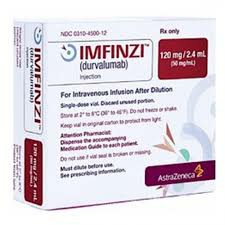
Durvalumab is an anti-PD-L1 monoclonal antibody commonly used to treat unresectable III stage non-small cell lung cancer (NSCLC) and extensive stage small cell lung cancer (ES-SCLC). As an immune checkpoint inhibitor, it may cause immune-related adverse reactions and requires close monitoring and timely management.
Immune-mediated pneumonia is one of the more serious adverse reactions of durvalumab, manifesting as dry cough, shortness of breath, chest tightness and even dyspnea. Mild pneumonia can be relieved by suspending medication and using corticosteroids (such as prednisone), but severe cases may require stronger immunosuppressive treatment. If patients develop persistent coughing or shortness of breath during treatment, they should seek medical attention immediately to prevent aggravation of the condition.
Immune-related hepatitis may cause liver enzymes (AST, ALT) to increase. In severe cases, jaundice, loss of appetite and fatigue may occur. Therefore, patients need to have their liver function checked regularly during treatment. If it is found that the liver enzymes are elevated more than 3 times the normal range, the medication should be suspended and treated with glucocorticoids or immunosuppressants under the guidance of a doctor. Avoiding alcohol and reducing high-fat diets can help reduce the risk of liver damage.
Endocrine dysfunction is also a common side effect, including hypo or hyperthyroidism, adrenal insufficiency and type 1 diabetes. Patients may experience symptoms such as fatigue, weight changes, mood swings, or unusual thirst. Hormone levels need to be tested regularly during treatment. If abnormalities are found, hormone replacement therapy can be performed under the guidance of a doctor to maintain endocrine balance.
Immune-mediated adverse skin reactions may manifest as rash, pruritus, and in severe cases may develop into exfoliative dermatitis or bullous disease. Mild skin reactions may be relieved with topical steroid ointments, but if symptoms worsen, systemic glucocorticoid therapy may be required. Patients should keep their skin clean, avoid using irritating skin care products, pay close attention to skin changes, and seek medical treatment promptly when necessary.
Reference materials:https://www.imfinzi.com/
[ 免责声明 ] 本页面内容来自公开渠道(如FDA官网、Drugs官网、原研药厂官网等),仅供持有医疗专业资质的人员用于医学药学研究参考,不构成任何治疗建议或药品推荐。所涉药品可能未在中国大陆获批上市,不适用于中国境内销售和使用。如需治疗,请咨询正规医疗机构。本站不提供药品销售或代购服务。


