
.jpeg)
Comparative analysis of mobosetinib/mobotinib and suvotinib
Mobocertinib and suvozertinib ( Sunvozertinib) are two targeted drugs that have made important progress in cancer treatment in recent years. They are different in terms of mechanisms, indications and therapeutic effects. Although these two drugs have something in common in terms of targeted therapy, there are differences in their indications, treatment options, and clinical effects, and each presents unique advantages for patients with different types of cancer.
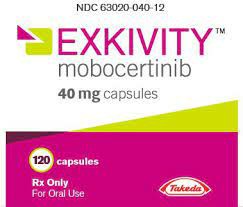
Mobosetinib is a therapeutic drug that targetsEGFR (epidermal growth factor receptor) mutations, and is particularly suitable for the treatment of non-small cell lung cancer (NSCLC) with EGFR T790M mutations. In non-small cell lung cancer, mutations in the EGFR gene are an important factor leading to tumor occurrence and development, and T790M mutation is the main cause of resistance to first- and second-generation EGFR inhibitors. Mobosetinib, as a third-generation EGFR inhibitor, can effectively inhibit these mutant EGFRs and significantly delay tumor progression by intervening in the growth signals of tumor cells. Especially for those patients who have received treatment with other EGFR inhibitors and developed resistance, mobosetinib can provide a new treatment option and achieve relatively ideal results.
Different from this, Suvozertinib (Sunvozertinib) is a new type of targeted drug, mainly used to treat patients with EGFR T790M mutation in non-small cell lung cancer (NSCLC). Suvotinib and moboxetinib have similar mechanisms of action, and both treat by targeting the mutant form of EGFR. However, as a newer drug, suvotinib has shown a wider range of efficacy in its clinical studies. Especially in patients with lung cancer with EGFR mutations, suvotinib has a more significant effect, and it also has certain effects on other types of EGFR mutations (such as L858R, Del19). In addition, the advantage of suvotinib in the treatment of lung cancer lies in its innovative drug structure, which allows it to selectively inhibit EGFR mutations more accurately and reduce the impact on normal cells, thereby reducing side effects on patients.
From the clinical efficacy point of view, the efficacy of mobosetinib and suvotinib has been verified in clinical trials. For patients with EGFR T790M mutations, moboxetinib shows a higher response rate and longer progression-free survival (PFS). Especially for those patients with drug resistance, moboxetinib can significantly improve the treatment effect and improve the patient's quality of life. Suvotinib also performs well in the treatment of EGFR-mutant non-small cell lung cancer. Especially in patients who are resistant to traditional EGFR inhibitors, suvotinib shows a higher therapeutic response rate and has milder side effects than traditional EGFR inhibitors. In addition, suvotinib also has certain advantages in delaying tumor progression and improving survival.
Although both are highly effective in treating non-small cell lung cancer, their side effects and safety profiles differ. Common side effects of moboxetinib include rash, diarrhea, nausea, loss of appetite, etc. Most of these side effects are mild to moderate, but some patients may experience severe skin reactions and gastrointestinal discomfort. In comparison, Suvotinib has relatively few side effects, especially common side effects such as gastrointestinal discomfort and rash. Suvotinib is milder than Mobosetinib. The side effects of suvotinib mainly include mild nausea, headache and mild liver function impairment, which can usually be alleviated by adjusting the drug dose.
Reference materials:https://en.wikipedia.org/wiki/Mobocertinib
[ 免责声明 ] 本页面内容来自公开渠道(如FDA官网、Drugs官网、原研药厂官网等),仅供持有医疗专业资质的人员用于医学药学研究参考,不构成任何治疗建议或药品推荐。所涉药品可能未在中国大陆获批上市,不适用于中国境内销售和使用。如需治疗,请咨询正规医疗机构。本站不提供药品销售或代购服务。


