
.jpeg)
FDA approves Gomekli (mirdametinib) for adult and pediatric patients with neurofibromatosis type 1
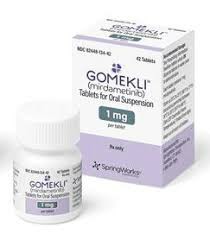
On February 11, 2025, the U.S. Food and Drug Administration approved the kinase inhibitor mirdametinib (Gomekli, SpringWorks Therapeutics, Inc.) for the treatment of adult and pediatric patients 2 years and older with neurofibromatosis type 1 (NF1) who have symptomatic plexiform neurofibromas (PN) that cannot be completely resected.
The most common adverse reactions (>25%) in adult patients were rash, diarrhea, nausea, musculoskeletal pain, vomiting, and fatigue. The most common grade 3 or 4 laboratory abnormality (>2%) was elevated creatine phosphokinase.
The most common adverse reactions (>25%) in pediatric patients are rash, diarrhea, musculoskeletal pain, abdominal pain, vomiting, headache, paronychia, left ventricular dysfunction, and nausea. The most common grade 3 or 4 laboratory abnormalities (>2%) were decreased neutrophil count and increased creatine phosphokinase.
Mirdametinib can also cause left ventricular dysfunction and ocular toxicities, including retinal vein occlusion, retinal pigment epithelial detachment, and blurred vision. Depending on the severity of the adverse reaction, mirdametinib should be discontinued, the dose reduced, or the drug permanently discontinued.
Reference: https://www.gomekli.com/
Efficacy was evaluated in ReNeu (NCT03962543), a multicenter, single-arm trial that enrolled 114 patients (58 adults, 56 pediatric patients) aged ≥2 years with symptomatic, inoperable NF1-associated PN causing significant morbidity. Inoperable PN is defined as a PN that cannot be completely surgically removed without substantial risk of morbidity due to encapsulation or proximity to vital structures, invasiveness, or high vascularity.
The most common adverse reactions (>25%) in adult patients were rash, diarrhea, nausea, musculoskeletal pain, vomiting, and fatigue. The most common grade 3 or 4 laboratory abnormality (>2%) was elevated creatine phosphokinase.
The most common adverse reactions (>25%) in pediatric patients are rash, diarrhea, musculoskeletal pain, abdominal pain, vomiting, headache, paronychia, left ventricular dysfunction, and nausea. The most common grade 3 or 4 laboratory abnormalities (>2%) were decreased neutrophil count and increased creatine phosphokinase.
Mirdametinib can also cause left ventricular dysfunction and ocular toxicities, including retinal vein occlusion, retinal pigment epithelial detachment, and blurred vision. Depending on the severity of the adverse reaction, mirdametinib should be discontinued, the dose reduced, or the drug permanently discontinued.
Reference: https://www.gomekli.com/
[ 免责声明 ] 本页面内容来自公开渠道(如FDA官网、Drugs官网、原研药厂官网等),仅供持有医疗专业资质的人员用于医学药学研究参考,不构成任何治疗建议或药品推荐。所涉药品可能未在中国大陆获批上市,不适用于中国境内销售和使用。如需治疗,请咨询正规医疗机构。本站不提供药品销售或代购服务。


