
.jpeg)
Analysis of the main functions and functions of Vigabatrin/vigabatrin
Vigabatrin/vigabatrin is a unique anti-epileptic drug mainly used to treat refractory epilepsy, especially in patients who have failed to respond to other anti-epileptic drugs. Its main mechanism of action is through irreversible inhibition of gamma-aminobutyric acid transaminase (GABA-T), thereby increasing the level of GABA (gamma-aminobutyric acid) in the nervous system. GABA is an inhibitory neurotransmitter that plays a role in reducing the excitability of neurons in the brain. Therefore, vigabatrin can effectively inhibit abnormal nerve discharges and reduce the frequency and severity of epileptic seizures.
The clinical application of vigabatrin is mainly concentrated in the two fields of infantile spasms (West syndrome) and refractory focal epilepsy. For infantile spasms, the drug has been shown to be highly effective in controlling seizures. West syndrome is a severe form of childhood epilepsy characterized by convulsive seizures, developmental regression, and EEG findings of hypsarrhythmia. Studies have shown that vigabatrin is particularly effective in infantile spasms caused by tuberous sclerosis complex (TSC), significantly reducing the frequency of attacks and achieving complete remission in some patients. In addition, the drug improves neurodevelopmental outcomes and reduces epilepsy-related cognitive impairment in children.
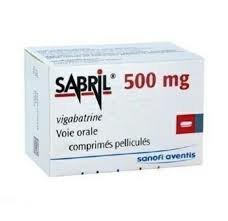
In the treatment of refractory focal epilepsy, vigabatrin is often used as an adjuvant treatment in combination with other anti-epileptic drugs, especially for complex partial epilepsy (CPS) in adults and children. This type of epilepsy usually manifests as focal seizures and may be accompanied by confusion. Vigabatrin can significantly reduce the frequency of focal epilepsy attacks and improve patients' quality of life. Its efficacy is particularly useful in patients who have failed to respond to traditional anti-epileptic drugs such as sodium valproate, carbamazepine or phenytoin.
The unique mechanism of action of vigabatrin also shows potential therapeutic value in certain neurological diseases. For example, studies have found that the drug may have some efficacy in treating certain types of myoclonic epilepsy and neurometabolic disorders such as glycine encephalopathy. In addition, due to its effects on the GABA system, vigabatrin has also been studied for other GABA-related neurological diseases, such as Parkinson's disease and schizophrenia, but there is currently no definite clinical evidence to support these indications.
Despite the significant efficacy of vigabatrin in the treatment of epilepsy, its use must be cautious, primarily due to the risk of irreversible visual field defects. The administration of vigabatrin needs to be tailored to the patient's individual circumstances in terms of dosage and administration. For infantile spasms, the recommended starting dose is usually daily50mg/kg, and then gradually adjusted to 100-150mg/kg based on patient response. For adults with focal epilepsy, the usually recommended starting dose is 500 mg per day in two divided doses, and then adjusted to 1000-3000 mg per day based on efficacy. Since the metabolism of vigabatrin is mainly excreted by the kidneys, dosage adjustment is required in patients with impaired renal function to avoid toxic reactions caused by drug accumulation.
Reference materials:https://www.sabril.net/
[ 免责声明 ] 本页面内容来自公开渠道(如FDA官网、Drugs官网、原研药厂官网等),仅供持有医疗专业资质的人员用于医学药学研究参考,不构成任何治疗建议或药品推荐。所涉药品可能未在中国大陆获批上市,不适用于中国境内销售和使用。如需治疗,请咨询正规医疗机构。本站不提供药品销售或代购服务。


