
.jpeg)
How many courses of treatment do you usually need to take Selinisol?
Selinexor is an oral selective nuclear export inhibitor (SINE). Its mechanism of action is to inhibit the XPO1 protein and prevent tumor suppressor proteins from being excreted from the nucleus, thereby enhancing the apoptosis of cancer cells. It is widely used to treat multiple myeloma (MM) and refractory/relapsed large B-cell lymphoma (RR DLBCL). The specific course of treatment varies based on the patient's condition, treatment regimen, and individual tolerance.
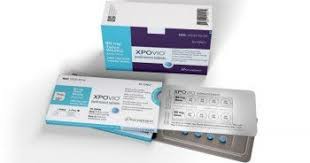
In the treatment of multiple myeloma, selinesol is usually combined with dexamethasone (Dexamethasone), and the recommended dose is 80 mg twice a week until disease progression or the patient cannot tolerate it. Generally, patients need to receive at least two courses (8 weeks) of treatment to assess initial efficacy. If patients show disease control during the initial phase, long-term maintenance therapy is often required, with courses of up to 6 months or longer depending on disease progression and tolerability. In the combined regimen of bortezomib and dexamethasone, the dose of selinesol was adjusted to 100 mg once a week to reduce adverse reactions and improve patient compliance.
For relapsed/refractory large B-cell lymphoma (RR DLBCL), the recommended dose of selinesol monotherapy is 60 mg once a week, and the course of treatment is based on the patient's disease control. Typically, doctors will recommend at least 8-12 weeks of treatment to see if the disease resolves. If the patient experiences partial response (PR) or complete response (CR), it is recommended to continue maintenance treatment until disease progression or intolerance.
The duration of treatment with selinesol depends not only on the type of tumor but also on the patient's tolerance and side effects. Common adverse reactions include nausea, fatigue, decreased appetite, thrombocytopenia, etc. Therefore, patients may need to adjust the dose or take supportive treatment during treatment to improve tolerance. In clinical practice, some patients may need to reduce the dose due to side effects, such as adjusting from 80 mg to 60 mg or lower to ensure the continuity and effectiveness of treatment.
Reference materials:https://www.selincro.com/
[ 免责声明 ] 本页面内容来自公开渠道(如FDA官网、Drugs官网、原研药厂官网等),仅供持有医疗专业资质的人员用于医学药学研究参考,不构成任何治疗建议或药品推荐。所涉药品可能未在中国大陆获批上市,不适用于中国境内销售和使用。如需治疗,请咨询正规医疗机构。本站不提供药品销售或代购服务。


