
.jpeg)
Fennelidone limits outpatient oral diuretic intensification in patients with heart failure
A secondary analysis of FINEARTS-HF found that finerenone may prevent outpatient worsening heart failure (HF) events requiring oral diuretic intensification in patients with mildly reduced or preserved ejection fraction. Approximately 6,000 participants with heart failure reported frequent outpatient oral diuretic intensification, which was associated with an increased risk of subsequent death. The nonsteroidal mineralocorticoid receptor antagonist (nsMRA) fenelinone reduced oral diuretic intensification rates by 11%.
These results support the use of outpatient oral diuretic intensification as an early marker of worsening heart failure and suggest that the benefits of fenelidone in reducing worsening events of heart failure in patients with heart failure with mildly reduced or preserved ejection fraction extend to the outpatient setting. Compared with stable outpatients, initiation or intensification of oral diuretics is associated with a 2.5 to 3 times higher risk of subsequent death. These high risks appear to be similar to outpatient intravenous diuretic administration, although less than to hospitalization for heart failure.
FINEARTS-HF is a global, multicenter, randomized clinical trial comparing fenidone with placebo in heart failure patients with mildly reduced or unchanged ejection fraction on loop diuretics or thiazide diuretics at baseline. After analysis, fenelinone reduced the incidence of worsening heart failure events and cardiovascular death by 16%. Outpatient oral diuretic intensification, defined as a change in loop diuretic dose or initiation of a thiazide diuretic, was performed as a prespecified exploratory outcome.
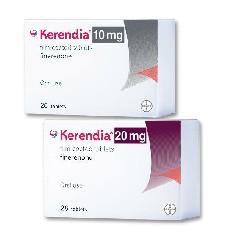
The likelihood of all-cause mortality was assessed based on each type of worsening heart failure event: hospitalization, emergency heart failure visit, or outpatient diuretic intensification. The research team then assessed the effect of phenidone on outpatient oral diuretic intensification alone or as part of the extended composite outcome versus the primary outcome event. The trial enrolled 6001 participants, with a mean age of 72.0 years, of whom 2732 (46%) were women. The analysis identified a first worsening heart failure event, including 664 (11%) heart failure hospitalizations, 87 (1%) emergency heart failure visits, and 1250 (21%) oral diuretic intensifications.
Mortality increased after worsening heart failure events, including hospitalization (27.7 per 100 patient-years; 95% CI, 24.3-31.5), emergency heart failure office visits (13.6 per 100 patient-years; 95% CI, 8.8-21.1), and intensive outpatient oral diuretic therapy (11.6 per 100 patient-years; 95% CI, 10.2-13.1). In contrast, patients without worsening heart failure events had lower mortality (4.5 events per 100 patient-years; 95% confidence interval, 4.2–4.9).
Further analysis showed that there were 756 outpatient oral diuretic intensification events in the fenelidone group compared with 832 in the placebo group. Finelidone showed an 11% reduction in first outpatient oral diuretic intensification (hazard ratio [HR], 0.89 [95% CI, 0.80-0.98]; P=0.02). At the same time, the addition of outpatient oral diuretic fortification increased the number of patients reporting events, from 1343 to 2238. In the extended composite outcome of cardiovascular death, heart failure hospitalizations, and emergency heart failure visits, fenelidone reduced the risk by 15% (HR, 0.85 [95% CI, 0.78-0.92]; P<0.001).
Oral diuretic intensification was shown to increase subsequent mortality nearly 2-fold compared with stable outpatients and was similar to mortality in centrally adjudicated emergency heart failure patients requiring intravenous (IV) therapy. In the FINEARTS-HF analysis, fenelidone alone or as part of an extended composite outcome reduced the risk of oral diuretic intensification.
The study showed that fenelidone also reduced the clinically meaningful outcome of outpatient oral diuretic intensification by 11%and reduced the extended composite outcome including the primary outcome by 15%." These results suggest that the benefits of fenelidone extend to reducing exacerbations of heart failure in outpatients.
Reference materials:https://www.hcplive.com/view/finerenone-limits-outpatient-oral-diuretic-intensification-in-heart-failure
[ 免责声明 ] 本页面内容来自公开渠道(如FDA官网、Drugs官网、原研药厂官网等),仅供持有医疗专业资质的人员用于医学药学研究参考,不构成任何治疗建议或药品推荐。所涉药品可能未在中国大陆获批上市,不适用于中国境内销售和使用。如需治疗,请咨询正规医疗机构。本站不提供药品销售或代购服务。


