
.jpeg)
What is the dosage of linezolid? How to adjust the dosage according to different conditions to ensure the effect?
Linezolid (Linezolid) is an antibiotic commonly used to treat Gram-positive bacterial infections. It is particularly effective against drug-resistant bacteria, such as methicillin-resistant Staphylococcus aureus (MRSA) and drug-resistant Streptococcus pneumoniae (PRSP). It is an oxidoreductase inhibitor and belongs to the "linear aminoalcohol class" of antibiotics. It is widely used to treat serious infections, including pneumonia, skin and soft tissue infections, etc. Correct use of linezolid is important to ensure its therapeutic efficacy and reduce adverse reactions. The following are its usage, dosage and suggestions for adjusting the dosage according to different conditions.
1. General dosage and administration
Linezolid is usually administered orally or intravenously, and the choice of treatment is based on the patient's condition, type of infection, and response to treatment. For adult and pediatric patients, the usual treatment dose is 600 mg twice daily, usually for 10 to 14 days, depending on the type and severity of the infection.
For patients receiving oral dosing, a dose of 600 mg twice daily should be followed. If the patient cannot tolerate oral medications (for example, due to difficulty swallowing or nausea and vomiting), intravenous administration can be used. The intravenous dosage is the same as the oral dosage, but the treatment time and course should be judged by the doctor based on the condition.
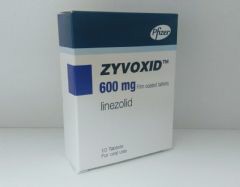
2. Adjust the dose according to the condition
The dose of linezolid can be individualized based on the patient's age, weight, renal function, and type of infection. The following are dosage adjustment recommendations for different situations:
Patients with renal insufficiency: The metabolism of linezolid is mainly through the liver, and about 1/3 is excreted through the kidneys. Therefore, dose adjustment is generally not necessary in patients with mild or moderate renal impairment. However, in patients with severe renal insufficiency (such as those on renal dialysis), the dose of linezolid needs to be adjusted carefully, and it is generally recommended to avoid using this drug unless absolutely necessary and only under the guidance of a physician.
Elderly patients: Elderly patients may have slower metabolism and drug excretion due to decreased kidney or liver function. Therefore, special attention is required when using linezolid. Although routine dosage adjustments are generally not recommended, regular monitoring of liver and kidney function is required to ensure safe use of the drug.
Specific types of infection: For some specific types of infection, such as pneumonia, soft tissue infections, urinary tract infections, etc., the course of linezolid treatment may vary. Usually, treatment of bacterial infections lasts for 7 to 14 days. The specific course of treatment is based on the severity of the infection type and clinical response. For severe infections, such as sepsis, longer treatment may be needed.
3. Common side effects and dosage adjustments
Although linezolid is well tolerated, it may cause some adverse effects, especially when used long-term or at high doses. The most common side effects include gastrointestinal discomfort (such as nausea, vomiting, diarrhea), headache, anemia, peripheral neuropathy, etc. Long-term use of linezolid may also cause thrombocytopenia, leukopenia and other problems, affecting immune function.
For these side effects, dose adjustment or discontinuation often alleviates the adverse effects. If serious adverse reactions occur (such as severe anemia, thrombocytopenia, etc.), temporary discontinuation of the drug should be considered, and use should be gradually resumed after symptoms improve. The doctor may also recommend changing antibiotics or adjusting the treatment regimen to avoid these side effects from having a greater impact on the patient's health.
4. Notes
During treatment with linezolid, patients should have regular blood tests, especially white blood cell count, platelet count, etc., to detect potential hematological abnormalities early. In addition, because linezolid inhibits the activity of monoamine oxidase (MAO), patients should avoid eating foods containing high concentrations of tyramine (such as mature cheese, pickled foods, etc.) during use to reduce the risk of elevated blood pressure.
In short, the usage and dosage of linezolid should be individually adjusted based on the patient's specific condition, renal function, age and other factors. During the treatment period, patients need to strictly follow the doctor's instructions, undergo regular examinations, and promptly report any discomfort symptoms to the doctor to ensure the treatment effect and reduce the occurrence of adverse reactions.
Reference materials:https://go.drugbank.com/drugs/DB00601
[ 免责声明 ] 本页面内容来自公开渠道(如FDA官网、Drugs官网、原研药厂官网等),仅供持有医疗专业资质的人员用于医学药学研究参考,不构成任何治疗建议或药品推荐。所涉药品可能未在中国大陆获批上市,不适用于中国境内销售和使用。如需治疗,请咨询正规医疗机构。本站不提供药品销售或代购服务。


