
.jpeg)
Mitotane Medication Guidelines: Indications, Dosage and Precautions
Mitotane (Mitotane) is a drug used to treat adrenocortical cancer and is an anti-tumor drug. It treats adrenocortical cancer by inhibiting the function of the adrenal cortex, especially when other treatments are ineffective. Mitotane is one of the important options for treating this type of cancer. Mitotane is also used in the treatment of some other endocrine diseases, such as primary aldosteronism, but its main indication is adrenocortical cancer. Because mitotane has strong side effects and toxicity, it is usually used on patients only after strict screening.
Mitotan is usually taken orally, and the dose should be adjusted based on the patient's condition and individual response. At the beginning of treatment, the doctor will set the starting dose according to the patient's specific condition, usually 500mg to 1000mg per day, and gradually increase it according to the patient's tolerance. The maintenance dose is usually 1-2 grams per day. Mitotane treatment needs to be carried out under the guidance of a doctor, because the dosage adjustment of the drug depends on the patient's blood test results and clinical manifestations. During use, patients need to undergo regular blood tests to ensure the effectiveness of the drug and monitor potential side effects.
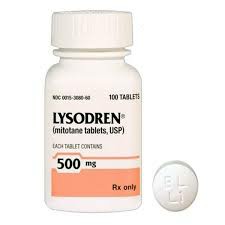
Patients need to pay attention to some special considerations when using mitotane. First, mitotane may have effects on the liver, kidneys, and central nervous system. Therefore, patients with hepatic and renal insufficiency should avoid using this drug. Patients should avoid drinking alcohol while taking the drug to reduce the burden on the liver. Since mitotane may cause severe gastrointestinal discomfort, such as nausea, vomiting, etc., patients should take necessary symptomatic treatment under the advice of a doctor. In addition, mitotane may cause skin reactions; therefore, patients should avoid sun exposure and take necessary skin protection measures.
Common side effects during mitotane treatment include liver function damage, digestive system reactions (such as nausea, vomiting, diarrhea), fatigue, dizziness, rash, etc. In some cases, patients may experience more serious side effects, such as renal impairment or bone marrow suppression, so hematological indicators and liver and kidney function need to be closely monitored during treatment. If serious side effects or allergic reactions occur, stop taking the medication immediately and seek medical help. In short, as a powerful anti-tumor drug, mitotane needs to be used with special caution and should be treated under the supervision of a doctor.
Reference materials:https://go.drugbank.com/drugs/DB00648
[ 免责声明 ] 本页面内容来自公开渠道(如FDA官网、Drugs官网、原研药厂官网等),仅供持有医疗专业资质的人员用于医学药学研究参考,不构成任何治疗建议或药品推荐。所涉药品可能未在中国大陆获批上市,不适用于中国境内销售和使用。如需治疗,请咨询正规医疗机构。本站不提供药品销售或代购服务。


