
.jpeg)
Which is better, linezolid or vancomycin? What are the main differences and applicable scenarios between the two in treatment?
Linezolid (Linezolid) and vancomycin (Vancomycin) are both antibiotics commonly used to treat serious bacterial infections, but their mechanisms of action, scope of application, and side effects are different. Understanding the characteristics of these two drugs is crucial for the correct selection of treatment options in clinical practice.
1. Mechanism of action and pharmacological characteristics
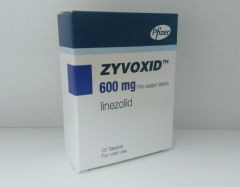
Linezolid is an oxypyrrolidone antibiotic. Its mechanism of action is by inhibiting bacterial protein synthesis, especially on the bacterial 50S ribosomal subunit. It has good therapeutic effects on some drug-resistant bacterial species, such as methicillin-resistant Staphylococcus aureus (MRSA) and drug-resistant streptococci. Linezolid is mainly administered orally or intravenously, and has high bioavailability, very good oral absorption, and can achieve rapid and widespread body distribution.
Vancomycin is a glycopeptide antibiotic that works by inhibiting bacterial cell wall synthesis. It is the drug of choice for the treatment of a variety of gram-positive bacterial infections, especially methicillin-resistant Staphylococcus aureus (MRSA). The common route of administration of vancomycin is intravenous injection. In some cases, it can also be taken orally for intestinal infections, but its oral form is not widely absorbed.
2. Applicable scenarios
Linezolid and vancomycin are both used to treat drug-resistant bacterial infections, particularly MRSA infections, but their specific indications are different. Linezolid is widely used to treat drug-resistant gram-positive bacterial infections, including complex skin and soft tissue infections, pneumonia, drug-resistant tuberculosis, etc., especially in patients with weak immune systems. In addition, linezolid also has a certain inhibitory effect on certain Gram-negative bacteria, such as Klebsiella pneumoniae.
Vancomycin is the standard treatment for severe gram-positive bacterial infections, especially for the treatment of MRSA, vancomycin-resistant enterococci (VRE) and other drug-resistant Staphylococcus aureus and Streptococcus infections. It is one of the first-choice drugs in the treatment of bacterial endocarditis, osteomyelitis, severe pneumonia, sepsis, etc.
3. Adverse reactions and drug resistance
Both linezolid and vancomycin may cause some side effects, but their side effect profiles differ. The main side effects of linezolid include thrombocytopenia, anemia, peripheral neuropathy, and gastrointestinal upset. Because linezolid inhibits the enzyme monoamine oxidase (MAO), it may interact with some medications (such as antidepressants), causing symptoms such as increased blood pressure and headaches. Common side effects of vancomycin include nephrotoxicity, ototoxicity (when used at high doses), and red man syndrome (skin flushing and allergic reactions caused by rapid injection).
As for the problem of drug resistance, vancomycin resistance is relatively serious, especially the problem of vancomycin-resistant enterococci (VRE) is becoming more and more serious. Linezolid is relatively new and has fewer drug resistance problems, but long-term use may also lead to the emergence of drug-resistant bacteria.
4. Clinical Selection and Comprehensive Considerations
In clinical treatment, the choice of linezolid and vancomycin is mainly based on the patient's infection type, severity of illness, patient's drug resistance, and risk of side effects. If the patient is immunocompromised or at risk for severe drug-resistant bacterial infections, vancomycin is usually the first choice, especially if intravenous administration is required. Linezolid is a good option for patients who require oral therapy or who do not wish to undergo intravenous therapy.
In short, linezolid and vancomycin each have their own unique indications. During the treatment process, doctors will decide which drug to use based on the patient's specific condition, the side effects of the drug, and drug resistance issues.
Reference materials:https://go.drugbank.com/drugs/DB00601
[ 免责声明 ] 本页面内容来自公开渠道(如FDA官网、Drugs官网、原研药厂官网等),仅供持有医疗专业资质的人员用于医学药学研究参考,不构成任何治疗建议或药品推荐。所涉药品可能未在中国大陆获批上市,不适用于中国境内销售和使用。如需治疗,请咨询正规医疗机构。本站不提供药品销售或代购服务。


