
.jpeg)
Which is better, ribociclib or abeciclib? What are the differences in treatment effects between the two?
Ribociclib and Abemaciclib are both targeted therapy drugs, which are CDK4/6 inhibitors and are mainly used to treat HR-positive, HER2-negative breast cancer. Although these two drugs have similar mechanisms of action, they differ in price, therapeutic effect, etc. Next, we will explore the price differences of these two drugs and their comparative effectiveness in treatment.
Price difference
In the domestic market, Ribociclib is usually more expensive. The original Ribociclib drug is priced at more than 4,000 yuan in 200 mg x 63 tablets, and has been covered by medical insurance. However, after medical insurance reimbursement, the actual cost paid by the patient is still high. The price of the original drug Abemaciclib is slightly more expensive, usually 200mg*30 tablets, and the price is around RMB 6,000. Compared with the two, the price of ribociclib is slightly lower than that of abeciclib. Although the treatment cycle of abeciclib is relatively short, the overall cost of the drug is still higher.
Ribociclib and Abemaciclib both have excellent efficacy in the treatment of HR-positive and HER2-negative breast cancer. Both block the progression of the cancer cell cycle by inhibiting CDK4/6, thereby delaying the growth and spread of tumors. Although they have the same mechanism of action, their clinical efficacy differs in some aspects.
Clinical studies of ribociclib have shown that when combined with aromatase inhibitors, it can significantly improve the progression-free survival (PFS) of patients, especially in patients with early-stage breast cancer. Ribociclib is considered a relatively stable treatment option and performs well in delaying the progression of breast cancer.
In clinical trials, abeciclib has been shown to be particularly effective after chemotherapy and can significantly improve progression-free survival. In patients with hormone receptor-positive breast cancer, it has lower drug resistance and shows a more sustained therapeutic effect. One advantage of abeciclib is that it is particularly effective in breast cancer patients who have failed previous treatments.
Comparison of side effects
The side effects of the two are roughly similar, mainly including leukopenia, abnormal liver function, nausea, fatigue and other symptoms. Ribociclib has a high incidence of leukopenia in clinical practice, so blood routine monitoring needs to be regularly monitored during treatment to ensure that patients can successfully receive treatment. In comparison, the side effects of abeciclib are mild, but it may cause diarrhea and requires patient attention and management during use.
In general, both ribociclib and abeciclib have good therapeutic effects and can significantly delay the progression of HR-positive and HER2-negative breast cancer. However, in terms of price, ribociclib is relatively affordable, especially in the domestic market, where the cost after medical insurance reimbursement is relatively low. The cost of abeciclib is relatively high, especially in overseas markets, where the drug price difference is even more obvious.
When patients choose drugs, in addition to considering the price of the drug, they also need to consider factors such as their personal condition, treatment history, and drug side effects. If a patient has access to a more expensive treatment and if abeciclib is more specific to their condition, choosing abeciclib may result in better treatment outcomes. Ribociclib is undoubtedly a cost-effective option for most patients.
Reference: https://us.kisqali.com/
Price difference
In the domestic market, Ribociclib is usually more expensive. The original Ribociclib drug is priced at more than 4,000 yuan in 200 mg x 63 tablets, and has been covered by medical insurance. However, after medical insurance reimbursement, the actual cost paid by the patient is still high. The price of the original drug Abemaciclib is slightly more expensive, usually 200mg*30 tablets, and the price is around RMB 6,000. Compared with the two, the price of ribociclib is slightly lower than that of abeciclib. Although the treatment cycle of abeciclib is relatively short, the overall cost of the drug is still higher.
Price differences in overseas markets are even more significant. The European version of Ribociclib's original drug is usually 200mg*63 tablets and sells for about more than 20,000 yuan, while the European version of abeciclib is usually priced at about 25,000 yuan. From the international market, the price of abeciclib is generally higher than that of ribociclib, which means that if patients consider purchasing overseas drugs, the cost of abeciclib will be heavier.
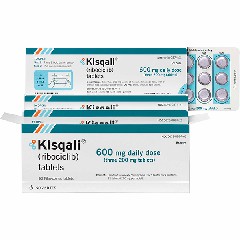
Ribociclib and Abemaciclib both have excellent efficacy in the treatment of HR-positive and HER2-negative breast cancer. Both block the progression of the cancer cell cycle by inhibiting CDK4/6, thereby delaying the growth and spread of tumors. Although they have the same mechanism of action, their clinical efficacy differs in some aspects.
Clinical studies of ribociclib have shown that when combined with aromatase inhibitors, it can significantly improve the progression-free survival (PFS) of patients, especially in patients with early-stage breast cancer. Ribociclib is considered a relatively stable treatment option and performs well in delaying the progression of breast cancer.
In clinical trials, abeciclib has been shown to be particularly effective after chemotherapy and can significantly improve progression-free survival. In patients with hormone receptor-positive breast cancer, it has lower drug resistance and shows a more sustained therapeutic effect. One advantage of abeciclib is that it is particularly effective in breast cancer patients who have failed previous treatments.
Comparison of side effects
The side effects of the two are roughly similar, mainly including leukopenia, abnormal liver function, nausea, fatigue and other symptoms. Ribociclib has a high incidence of leukopenia in clinical practice, so blood routine monitoring needs to be regularly monitored during treatment to ensure that patients can successfully receive treatment. In comparison, the side effects of abeciclib are mild, but it may cause diarrhea and requires patient attention and management during use.
In general, both ribociclib and abeciclib have good therapeutic effects and can significantly delay the progression of HR-positive and HER2-negative breast cancer. However, in terms of price, ribociclib is relatively affordable, especially in the domestic market, where the cost after medical insurance reimbursement is relatively low. The cost of abeciclib is relatively high, especially in overseas markets, where the drug price difference is even more obvious.
When patients choose drugs, in addition to considering the price of the drug, they also need to consider factors such as their personal condition, treatment history, and drug side effects. If a patient has access to a more expensive treatment and if abeciclib is more specific to their condition, choosing abeciclib may result in better treatment outcomes. Ribociclib is undoubtedly a cost-effective option for most patients.
Reference: https://us.kisqali.com/
[ 免责声明 ] 本页面内容来自公开渠道(如FDA官网、Drugs官网、原研药厂官网等),仅供持有医疗专业资质的人员用于医学药学研究参考,不构成任何治疗建议或药品推荐。所涉药品可能未在中国大陆获批上市,不适用于中国境内销售和使用。如需治疗,请咨询正规医疗机构。本站不提供药品销售或代购服务。


