
.jpeg)
Is pemetinib a targeted drug? What is its mechanism of action?
Pemigatinib is an oral small molecule targeted drug mainly used to treat cholangiocarcinoma carrying FGFR2 (fibroblast growth factor receptor 2) gene fusion or rearrangement. It was approved by the FDA in 2020 and became the first targeted therapy for cholangiocarcinoma FGFR2 gene abnormalities. In addition, the drug is also being studied in other malignancies, such as urothelial cancer, in patients with FGFR mutations.
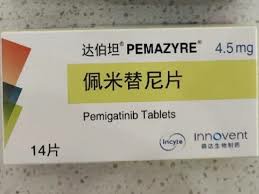
Pemetinib exerts its anti-tumor effects by inhibiting the FGFR (fibroblast growth factor receptor) signaling pathway. The specific mechanism is as follows:
1. Abnormal activation of the FGFR pathway: FGFR gene mutations, fusions or amplifications can lead to excessive cell proliferation, inhibit cell apoptosis, and promote tumor growth.
2.The targeted inhibitory effect of pemetinib: This drug can selectively inhibit FGFR1, FGFR2 and FGFR3, block their signal transduction, thereby inhibiting the growth of cancer cells and inducing cancer cell death.
3.Inhibiting angiogenesis: FGFR signaling is also related to tumor angiogenesis. By inhibiting this pathway, pemetinib can reduce tumor blood supply, thereby inhibiting tumor growth.
Pemetinib is mainly used to treat patients with locally advanced or metastatic cholangiocarcinoma, especially cases with FGFR2 gene fusion or rearrangement. Clinical trial data show that the objective response rate (ORR) of pemetinib in the treatment of patients with this type of cholangiocarcinoma is approximately 36%, and some patients can benefit long-term. In addition, the drug is also being studied in tumors with abnormal FGFR such as bladder cancer and brain tumors, and its indications may be expanded in the future.
Pemetinib is a targeted drug targeting FGFR gene abnormalities. It inhibits FGFRsignaling pathways to prevent tumor growth. Currently, it has become an important treatment option for cholangiocarcinoma and continues to be studied in other cancer types. Before patients use pemetinib, they usually need to undergo genetic testing to confirm the presence of FGFR2 fusions or mutations to ensure drug suitability.
Reference materials:https://go.drugbank.com/drugs/DB15102
[ 免责声明 ] 本页面内容来自公开渠道(如FDA官网、Drugs官网、原研药厂官网等),仅供持有医疗专业资质的人员用于医学药学研究参考,不构成任何治疗建议或药品推荐。所涉药品可能未在中国大陆获批上市,不适用于中国境内销售和使用。如需治疗,请咨询正规医疗机构。本站不提供药品销售或代购服务。


