
.jpeg)
What important information is included in the package insert for tofacitinib? What should you pay special attention to when using it?
Tofacitinib is an oral Janus kinase (JAK) inhibitor mainly used to treat immune-mediated diseases such as rheumatoid arthritis, psoriatic arthritis and ulcerative colitis. It inhibits the tyrosine kinase activity of JAK1 and JAK3, interferes with intracellular signaling pathways, slows down inflammatory responses, and thereby reduces the overactivity of the immune system.
1. Important information in drug package inserts
The drug instructions for tofacitinib provide basic information, indications, usage and dosage, side effects, contraindications, warnings, etc. of the drug. Here are some key takeaways:
Indications: Tofacitinib is used to treat the following conditions:
Rheumatoid Arthritis: Mainly used in adults with moderate to severe rheumatoid arthritis, especially those who are ineffective or intolerant to traditional disease-modifying antirheumatic drugs (DMARDs).
Psoriatic Arthritis: For the treatment of adults with psoriatic arthritis, in those with moderate to severe disease.
Ulcerative Colitis: For the treatment of adults with active ulcerative colitis, especially those who are not controlled with other medical treatments.
Dosage: Tofacitinib is usually taken as an oral tablet. For patients with rheumatoid arthritis and psoriatic arthritis, the initial dose is usually 10 mg/day, and the dose can be adjusted based on patient response and tolerance during continued use. For patients with ulcerative colitis, the starting dose may be 10 mg/day, which may be adjusted later based on the condition. The specific dosage should be adjusted according to the patient's specific situation and the doctor's recommendations. Patients need to receive regular medical monitoring during treatment.
Side Effects: Common side effects of tofacitinib include:
Risk of infection: Tofacitinib may increase the risk of infection, especially upper respiratory tract infection, urinary tract infection, etc.
Hematologic abnormalities: Use of tofacitinib may result in a decrease in white blood cells, red blood cells, or thrombocytopenia.
Liver function impairment: During use, there is a higher risk of abnormal liver function, and regular monitoring of liver function is required.
Gastrointestinal discomfort: symptoms such as nausea, vomiting, diarrhea, etc.
Although tofacitinib is effective in treating rheumatoid arthritis and other immune system diseases, special attention needs to be paid to the following matters during use:
1. Infection monitoring: Tofacitinib may increase the risk of infection, so patients need to be particularly vigilant about the occurrence of infection during use. Active infections, including tuberculosis, hepatitis B, hepatitis C, etc., should be screened before treatment. In particular, screening for tuberculosis infection is crucial. If symptoms such as fever, cough, sore throat, etc. occur during treatment, you should seek medical treatment promptly and report to the doctor. Serious infections such as pneumonia and sepsis may be life-threatening, and patients taking tofacitinib should be monitored regularly for infections.
2. Hematology monitoring: The use of tofacitinib may cause a decrease in white blood cells, red blood cells and platelets. Therefore, regular blood tests are required during treatment, especially at the beginning of medication. If obvious hematological abnormalities are found, discontinuation of the drug or dosage adjustment should be considered, and corresponding treatment should be carried out according to the specific situation.
3. Liver function monitoring: Since tofacitinib may cause liver function abnormalities, especially increases in ALT and AST, patients should regularly check liver function during treatment. If liver function indicators are significantly abnormal, the patient should stop taking the drug immediately and undergo further treatment and examination.
4. Serious adverse reactions: Tofacitinib may cause the risk of malignant tumors, especially lymphoma. During treatment, if abnormal symptoms occur, such as persistent lymphadenopathy, hepatosplenomegaly, etc., you should seek medical treatment in time.
5. High-risk patients: For patients with high blood pressure, heart disease, kidney disease or other serious underlying diseases, tofacitinib should be used with caution. In these patients, dosage adjustments or increased frequency of monitoring may be necessary to prevent adverse effects.
6. Interactions with other drugs: Tofacitinib may interact with certain drugs, such as immunosuppressive drugs, antibiotics, antifungal drugs, etc. While using tofacitinib, patients should inform their doctor about all medications they are taking to avoid potential drug interactions.
3. Contraindications
Tofacitinib may be contraindicated in certain patient groups, particularly:
Pregnant and lactating women: The effects of tofacitinib on the fetus and newborn are unknown and its use is not recommended for pregnant and lactating women.
Patients with active infection: If severe active infection is present, tofacitinib should be avoided until the infection is completely controlled.
Tofacitinib, as a JAK inhibitor, plays an important role in the treatment of immune-related diseases such as rheumatoid arthritis, psoriatic arthritis, and ulcerative colitis. It is necessary to strictly follow the doctor's instructions when using it, and conduct regular monitoring of blood, liver function, infection and other aspects. Patients should be alert to potential side effects when using tofacitinib, especially infections, hematological abnormalities, and liver function damage, to ensure the safety and effectiveness of treatment.
1. Important information in drug package inserts
The drug instructions for tofacitinib provide basic information, indications, usage and dosage, side effects, contraindications, warnings, etc. of the drug. Here are some key takeaways:
Indications: Tofacitinib is used to treat the following conditions:
Rheumatoid Arthritis: Mainly used in adults with moderate to severe rheumatoid arthritis, especially those who are ineffective or intolerant to traditional disease-modifying antirheumatic drugs (DMARDs).
Psoriatic Arthritis: For the treatment of adults with psoriatic arthritis, in those with moderate to severe disease.
Ulcerative Colitis: For the treatment of adults with active ulcerative colitis, especially those who are not controlled with other medical treatments.
Dosage: Tofacitinib is usually taken as an oral tablet. For patients with rheumatoid arthritis and psoriatic arthritis, the initial dose is usually 10 mg/day, and the dose can be adjusted based on patient response and tolerance during continued use. For patients with ulcerative colitis, the starting dose may be 10 mg/day, which may be adjusted later based on the condition. The specific dosage should be adjusted according to the patient's specific situation and the doctor's recommendations. Patients need to receive regular medical monitoring during treatment.
Side Effects: Common side effects of tofacitinib include:
Risk of infection: Tofacitinib may increase the risk of infection, especially upper respiratory tract infection, urinary tract infection, etc.
Hematologic abnormalities: Use of tofacitinib may result in a decrease in white blood cells, red blood cells, or thrombocytopenia.
Liver function impairment: During use, there is a higher risk of abnormal liver function, and regular monitoring of liver function is required.
Gastrointestinal discomfort: symptoms such as nausea, vomiting, diarrhea, etc.
Risk of Malignancy: Long-term use may increase the risk of certain malignancies, especially lymphoma.
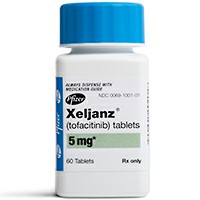
Although tofacitinib is effective in treating rheumatoid arthritis and other immune system diseases, special attention needs to be paid to the following matters during use:
1. Infection monitoring: Tofacitinib may increase the risk of infection, so patients need to be particularly vigilant about the occurrence of infection during use. Active infections, including tuberculosis, hepatitis B, hepatitis C, etc., should be screened before treatment. In particular, screening for tuberculosis infection is crucial. If symptoms such as fever, cough, sore throat, etc. occur during treatment, you should seek medical treatment promptly and report to the doctor. Serious infections such as pneumonia and sepsis may be life-threatening, and patients taking tofacitinib should be monitored regularly for infections.
2. Hematology monitoring: The use of tofacitinib may cause a decrease in white blood cells, red blood cells and platelets. Therefore, regular blood tests are required during treatment, especially at the beginning of medication. If obvious hematological abnormalities are found, discontinuation of the drug or dosage adjustment should be considered, and corresponding treatment should be carried out according to the specific situation.
3. Liver function monitoring: Since tofacitinib may cause liver function abnormalities, especially increases in ALT and AST, patients should regularly check liver function during treatment. If liver function indicators are significantly abnormal, the patient should stop taking the drug immediately and undergo further treatment and examination.
4. Serious adverse reactions: Tofacitinib may cause the risk of malignant tumors, especially lymphoma. During treatment, if abnormal symptoms occur, such as persistent lymphadenopathy, hepatosplenomegaly, etc., you should seek medical treatment in time.
5. High-risk patients: For patients with high blood pressure, heart disease, kidney disease or other serious underlying diseases, tofacitinib should be used with caution. In these patients, dosage adjustments or increased frequency of monitoring may be necessary to prevent adverse effects.
6. Interactions with other drugs: Tofacitinib may interact with certain drugs, such as immunosuppressive drugs, antibiotics, antifungal drugs, etc. While using tofacitinib, patients should inform their doctor about all medications they are taking to avoid potential drug interactions.
3. Contraindications
Tofacitinib may be contraindicated in certain patient groups, particularly:
Pregnant and lactating women: The effects of tofacitinib on the fetus and newborn are unknown and its use is not recommended for pregnant and lactating women.
Patients with active infection: If severe active infection is present, tofacitinib should be avoided until the infection is completely controlled.
Tofacitinib, as a JAK inhibitor, plays an important role in the treatment of immune-related diseases such as rheumatoid arthritis, psoriatic arthritis, and ulcerative colitis. It is necessary to strictly follow the doctor's instructions when using it, and conduct regular monitoring of blood, liver function, infection and other aspects. Patients should be alert to potential side effects when using tofacitinib, especially infections, hematological abnormalities, and liver function damage, to ensure the safety and effectiveness of treatment.
[ 免责声明 ] 本页面内容来自公开渠道(如FDA官网、Drugs官网、原研药厂官网等),仅供持有医疗专业资质的人员用于医学药学研究参考,不构成任何治疗建议或药品推荐。所涉药品可能未在中国大陆获批上市,不适用于中国境内销售和使用。如需治疗,请咨询正规医疗机构。本站不提供药品销售或代购服务。


