
.jpeg)
What key information is included in the package insert for cimepilimab? How to use this medicine correctly?
Cemiplimab is an anti-programmed death receptor-1 (PD-1) monoclonal antibody that enhances the immune system's attack on tumors by inhibiting immune checkpoints. It is mainly used to treat a variety of cancers. The drug instructions include important information such as indications, dosage and usage, side effect management, contraindications and precautions. The following is the key information and correct usage of cimepilimab package insert.
1. Indications
The main indications for cimepilimab include:
1. Non-small cell lung cancer (NSCLC): used to treat advanced or metastatic non-small cell lung cancer (NSCLC), especially for patients with high PD-L1 expression, and is usually used after chemotherapy or in combination with chemotherapy to improve the patient's survival expectation.
2. Cutaneous squamous cell carcinoma (CSCC): used to treat advanced, metastatic cutaneous squamous cell carcinoma (CSCC), especially in patients who cannot be treated by surgery or radiotherapy.
3. Other malignant tumors: According to different clinical trial results, cimepilimab can also be used to treat certain other types of malignant tumors, such as head and neck cancer, cervical cancer, etc. The specific scope of use needs to be determined according to the doctor's judgment and the patient's condition.
2. Dosage and usage
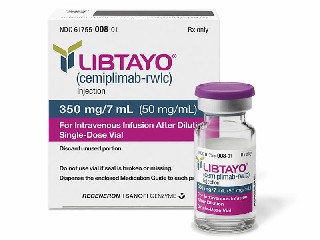
The standard dose of cimepilimab is usually 350 mg administered intravenously every 3 weeks. The injection time is 30 minutes. When using it for the first time, it is recommended to strictly follow the doctor’s instructions and dosage requirements. In order to ensure the therapeutic effect and reduce side effects, patients need to undergo regular blood routine examinations, liver function tests, pulmonary function monitoring, and electrocardiogram examinations during treatment, especially monitoring of immune-related adverse reactions.
1. Treatment cycle: Cimepilimab treatment is usually continued until disease progression occurs or adverse reactions are too severe. During the treatment period, the patient's health condition should be paid close attention to and relevant examinations should be carried out regularly.
The side effects of cimepilimab mainly come from the activation of the immune system. Since the drug fights tumors by enhancing the immune response, it may lead to immune-mediated side effects. Common side effects include:
1. Immune-related side effects: such as immune hepatitis, pneumonia, colitis, rash, endocrine diseases (such as thyroid dysfunction, diabetes, etc.). These side effects may affect multiple organ systems and require close monitoring.
2. Common adverse reactions: such as fatigue, loss of appetite, fever, nausea, vomiting, etc.
Management of immune-related side effects often requires treatment based on the severity of the side effect. If the side effects are mild, symptoms may be relieved by reducing the dose or using immunosuppressive drugs such as steroids. If side effects are severe, the drug may need to be temporarily discontinued or completely discontinued and appropriate treatment to restore normal function.
4. Contraindications and precautions for use
The use of cimepilimab must follow strict contraindications and precautions:
1.Contraindications:
This drug is contraindicated in patients who are allergic to cimepilimab or any of its components.
Patients with abnormal immune systems, such as existing immune-related diseases (such as systemic lupus erythematosus, rheumatoid arthritis, etc.), need to be particularly careful when using it.
Cimepilimab is not recommended in patients with active infection, uncontrolled severe comorbidities, or other serious medical conditions.
2. Immune system monitoring:
Cimepilimab will enhance the immune response. Therefore, the status of the immune system, especially liver function, lung function, endocrine function, etc., should be monitored regularly during use. If immune-related symptoms such as persistent high fever, jaundice, diarrhea, rash, blurred vision, etc. occur, you should seek medical attention immediately.
3. Pregnancy and lactation:
Cimepilimab is potentially harmful to the fetus and pregnant women should avoid using this drug. Breastfeeding women should stop breastfeeding while using this drug to avoid the drug affecting the baby through milk.
4.Drug interactions:
The risk of adverse reactions may increase when cimepilimab is used in combination with other immunotherapy drugs or chemotherapy drugs. Therefore, patients should inform their doctors about all drugs they are taking, including prescription drugs, over-the-counter drugs, and herbal medicines, when using cimeplimab.
5. Correct use and patient guidance
1. Correct route of administration: Cimepilimab can only be used by intravenous injection, and must be administered by professional medical personnel in a hospital or specialized medical institution. The injection time is 30 minutes, and the patient's reaction needs to be observed to ensure that no adverse reactions occur.
2. Treatment plan and compliance: Patients should receive treatment on time during treatment and should not interrupt or adjust the dose on their own. Any discomfort during treatment should be reported to the doctor in time for symptomatic treatment. Regular follow-up and monitoring are critical to the success of treatment.
3. Diet and lifestyle recommendations: When receiving cimepilimab treatment, patients should maintain healthy eating habits, increase nutritional support, maintain moderate activities, and avoid exposure to sources of infection. During treatment, patients should strengthen their awareness of protection, such as avoiding contact with infectious diseases and maintaining good personal hygiene.
In summary, cimepilimab, as an immunotherapy drug, has shown important clinical efficacy in the treatment of various cancers. Correct use of cimepilimab requires following the detailed instructions in the drug instructions, regular monitoring of side effects, and maintaining close contact with your doctor to ensure safe and effective treatment.
1. Indications
The main indications for cimepilimab include:
1. Non-small cell lung cancer (NSCLC): used to treat advanced or metastatic non-small cell lung cancer (NSCLC), especially for patients with high PD-L1 expression, and is usually used after chemotherapy or in combination with chemotherapy to improve the patient's survival expectation.
2. Cutaneous squamous cell carcinoma (CSCC): used to treat advanced, metastatic cutaneous squamous cell carcinoma (CSCC), especially in patients who cannot be treated by surgery or radiotherapy.
3. Other malignant tumors: According to different clinical trial results, cimepilimab can also be used to treat certain other types of malignant tumors, such as head and neck cancer, cervical cancer, etc. The specific scope of use needs to be determined according to the doctor's judgment and the patient's condition.
2. Dosage and usage
The standard dose of cimepilimab is usually 350 mg administered intravenously every 3 weeks. The injection time is 30 minutes. When using it for the first time, it is recommended to strictly follow the doctor’s instructions and dosage requirements. In order to ensure the therapeutic effect and reduce side effects, patients need to undergo regular blood routine examinations, liver function tests, pulmonary function monitoring, and electrocardiogram examinations during treatment, especially monitoring of immune-related adverse reactions.
1. Treatment cycle: Cimepilimab treatment is usually continued until disease progression occurs or adverse reactions are too severe. During the treatment period, the patient's health condition should be paid close attention to and relevant examinations should be carried out regularly.
2. Combination medication: Cimepilimab can be used in combination with other drugs. Common combination drugs include chemotherapy drugs, other immune checkpoint inhibitors, etc. Depending on the specific condition, the treatment plan may be adjusted.
The side effects of cimepilimab mainly come from the activation of the immune system. Since the drug fights tumors by enhancing the immune response, it may lead to immune-mediated side effects. Common side effects include:
1. Immune-related side effects: such as immune hepatitis, pneumonia, colitis, rash, endocrine diseases (such as thyroid dysfunction, diabetes, etc.). These side effects may affect multiple organ systems and require close monitoring.
2. Common adverse reactions: such as fatigue, loss of appetite, fever, nausea, vomiting, etc.
Management of immune-related side effects often requires treatment based on the severity of the side effect. If the side effects are mild, symptoms may be relieved by reducing the dose or using immunosuppressive drugs such as steroids. If side effects are severe, the drug may need to be temporarily discontinued or completely discontinued and appropriate treatment to restore normal function.
4. Contraindications and precautions for use
The use of cimepilimab must follow strict contraindications and precautions:
1.Contraindications:
This drug is contraindicated in patients who are allergic to cimepilimab or any of its components.
Patients with abnormal immune systems, such as existing immune-related diseases (such as systemic lupus erythematosus, rheumatoid arthritis, etc.), need to be particularly careful when using it.
Cimepilimab is not recommended in patients with active infection, uncontrolled severe comorbidities, or other serious medical conditions.
2. Immune system monitoring:
Cimepilimab will enhance the immune response. Therefore, the status of the immune system, especially liver function, lung function, endocrine function, etc., should be monitored regularly during use. If immune-related symptoms such as persistent high fever, jaundice, diarrhea, rash, blurred vision, etc. occur, you should seek medical attention immediately.
3. Pregnancy and lactation:
Cimepilimab is potentially harmful to the fetus and pregnant women should avoid using this drug. Breastfeeding women should stop breastfeeding while using this drug to avoid the drug affecting the baby through milk.
4.Drug interactions:
The risk of adverse reactions may increase when cimepilimab is used in combination with other immunotherapy drugs or chemotherapy drugs. Therefore, patients should inform their doctors about all drugs they are taking, including prescription drugs, over-the-counter drugs, and herbal medicines, when using cimeplimab.
5. Correct use and patient guidance
1. Correct route of administration: Cimepilimab can only be used by intravenous injection, and must be administered by professional medical personnel in a hospital or specialized medical institution. The injection time is 30 minutes, and the patient's reaction needs to be observed to ensure that no adverse reactions occur.
2. Treatment plan and compliance: Patients should receive treatment on time during treatment and should not interrupt or adjust the dose on their own. Any discomfort during treatment should be reported to the doctor in time for symptomatic treatment. Regular follow-up and monitoring are critical to the success of treatment.
3. Diet and lifestyle recommendations: When receiving cimepilimab treatment, patients should maintain healthy eating habits, increase nutritional support, maintain moderate activities, and avoid exposure to sources of infection. During treatment, patients should strengthen their awareness of protection, such as avoiding contact with infectious diseases and maintaining good personal hygiene.
In summary, cimepilimab, as an immunotherapy drug, has shown important clinical efficacy in the treatment of various cancers. Correct use of cimepilimab requires following the detailed instructions in the drug instructions, regular monitoring of side effects, and maintaining close contact with your doctor to ensure safe and effective treatment.
[ 免责声明 ] 本页面内容来自公开渠道(如FDA官网、Drugs官网、原研药厂官网等),仅供持有医疗专业资质的人员用于医学药学研究参考,不构成任何治疗建议或药品推荐。所涉药品可能未在中国大陆获批上市,不适用于中国境内销售和使用。如需治疗,请咨询正规医疗机构。本站不提供药品销售或代购服务。


