
.jpeg)
What are the precautions for fostemsavir?
In the clinical study of fostemsavir in the treatment of drug-resistant human immunodeficiency virus type 1 (HIV-1) infection, warnings and precautions such as immune reconstitution syndrome, prolongation of QTc at doses higher than the recommended dose, elevated liver transaminases in patients with hepatitis B or C virus co-infection, and the risk of adverse reactions or loss of virological response due to drug interactions have emerged. Discontinue and resume at reduced dose upon recovery, or permanently discontinue based on severity.
1. Immune reconstitution syndrome: Immune reconstitution syndrome has been reported in patients receiving combination antiretroviral therapy (including Folstansavir). During the initial phase of combination antiretroviral therapy, patients with responsive immune systems may develop an inflammatory response to indolent or residual opportunistic infections (such as Mycobacterium avium infection, cytomegalovirus, Pneumocystis pneumonia[PCP], or tuberculosis), which may require further evaluation and treatment.
Autoimmune diseases have also been reported to occur during immune reconstitution (eg, Graves' disease, polymyositis, Guillain-Barre syndrome, and autoimmune hepatitis); however, the timing of onset is more variable and can occur months after initiation of treatment.
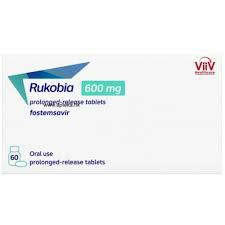
2. QTc prolongation when the dose is higher than the recommended dose: The dose of fostansavir is 2400 mg twice a day, which is 4 times the recommended daily dose. It has been proven to significantly prolong the QTc interval of the electrocardiogram. Folstansavir should be used with caution in patients with a history of QTc prolongation, when used concomitantly with drugs known to have a risk of torsade de pointes, or in patients with related cardiac disease. Elderly patients may be more susceptible to drug-induced QT interval prolongation.
3. Elevated liver transaminases in patients with hepatitis B or C virus co-infection: It is recommended that patients with hepatitis B (HBV) and /or hepatitis C (HCV) virus co-infection undergo liver chemistry monitoring. Elevated hepatic transaminases were observed in a greater proportion of subjects co-infected with HBV and/or HCV compared with subjects mono-infected with HIV. Some elevations in transaminases are consistent with hepatitis B reactivation, particularly if antihepatitis therapy is discontinued. When initiating fostansavir in patients co-infected with hepatitis B, special attention should be paid to initiating or maintaining effective hepatitis B therapy.
4. Risk of adverse reactions or loss of virological response due to drug interactions: The combination of fostansavir with certain other drugs may lead to known or potential major drug interactions, some of which may lead to loss of the therapeutic effect of fostansavir and the possible development of drug resistance due to reduced exposure to fostansavir; or increased exposure to fostansavir may lead to prolongation of the QTc interval. Consider the possibility of drug interactions before and during treatment with fostansavir, review concomitant medications during treatment with fostansavir, and monitor for adverse reactions related to concomitant use.
Reference: https://dailymed.nlm.nih.gov/dailymed/drugInfo.cfm?setid=a21006b7-6d6f-4f06-81b4-17978756452b
[ 免责声明 ] 本页面内容来自公开渠道(如FDA官网、Drugs官网、原研药厂官网等),仅供持有医疗专业资质的人员用于医学药学研究参考,不构成任何治疗建议或药品推荐。所涉药品可能未在中国大陆获批上市,不适用于中国境内销售和使用。如需治疗,请咨询正规医疗机构。本站不提供药品销售或代购服务。


