
.jpeg)
Key precautions when using benzalantamine
Bengalantamine, as a therapeutic drug specially developed for patients with mild to moderate Alzheimer's disease, can effectively improve the patient's cognitive function and self-care ability in daily life by optimizing the activity of neurotransmitters in the brain. As a representative of new cholinesterase inhibitors, benzalantamine is committed to providing patients with safe and efficient treatment options. However, to ensure the safety and effectiveness of the medication, patients must strictly adhere to a series of key precautions when using benzalantamine.
First of all, patients with allergies need to pay special attention to the ingredients of the medicine. Patients should avoid using this drug if they have an allergic reaction to any of the ingredients in benzalantamine. Before use, patients should ask their doctor about the ingredients of the drug in detail and truthfully inform them of their allergic history to avoid potential risks of allergic reactions.
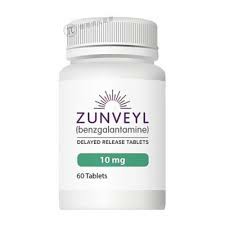
Secondly, providing a detailed medical history is critical for doctors to develop a personalized treatment plan. Before starting benzalantamine treatment, patients need to fully disclose their medical conditions to their doctor, especially urinary problems, heart disease or arrhythmia, history of stomach ulcers or bleeding, seizures or epilepsy, kidney disease, liver disease, and asthma or chronic obstructive pulmonary disease (COPD). This information will help doctors more accurately assess the patient's physical condition and formulate the most appropriate treatment plan.
Use caution when using benzalantamine in special populations, such as women who are pregnant or planning to become pregnant, and mothers who are breastfeeding or planning to breastfeed. At present, there is a lack of sufficient research on the effects of benzalantamine on fetuses and nursing infants. Therefore, when using it in this population, the pros and cons must be weighed and decisions made under the guidance of a physician.
In addition, benzalantamine, a cholinesterase inhibitor, may interact with other medications. Particularly when benzalantamine is used concomitantly with succinylcholine, similar neuromuscular blockers, or cholinergic agonists (e.g., glycol), a synergistic effect may occur that increases the risk of adverse drug reactions. Therefore, while using benzalantamine, patients should inform their doctors about all the drugs they are taking, including prescription drugs, over-the-counter drugs and health care products, so that the doctor can adjust the treatment plan in a timely manner to ensure drug safety.
In addition, the interaction between benzalantamine and alcohol cannot be ignored. Alcohol may worsen the side effects of the drug or affect its efficacy, so patients should avoid drinking alcohol or beverages containing alcohol while taking benzalantamine.
In summary, benzalantamine is an effective treatment for mild to moderate Alzheimer's disease. However, during use, patients must strictly follow the doctor's instructions and fully understand and comply with all precautions. If you have any questions or discomfort, you should communicate with your doctor in time to ensure the safety and effectiveness of the medication.
Reference link:https://www.drugs.com/pro/zunveyl.html#S12.3
[ 免责声明 ] 本页面内容来自公开渠道(如FDA官网、Drugs官网、原研药厂官网等),仅供持有医疗专业资质的人员用于医学药学研究参考,不构成任何治疗建议或药品推荐。所涉药品可能未在中国大陆获批上市,不适用于中国境内销售和使用。如需治疗,请咨询正规医疗机构。本站不提供药品销售或代购服务。


