
.jpeg)
What are the side effects of viloxazine hydrochloride?
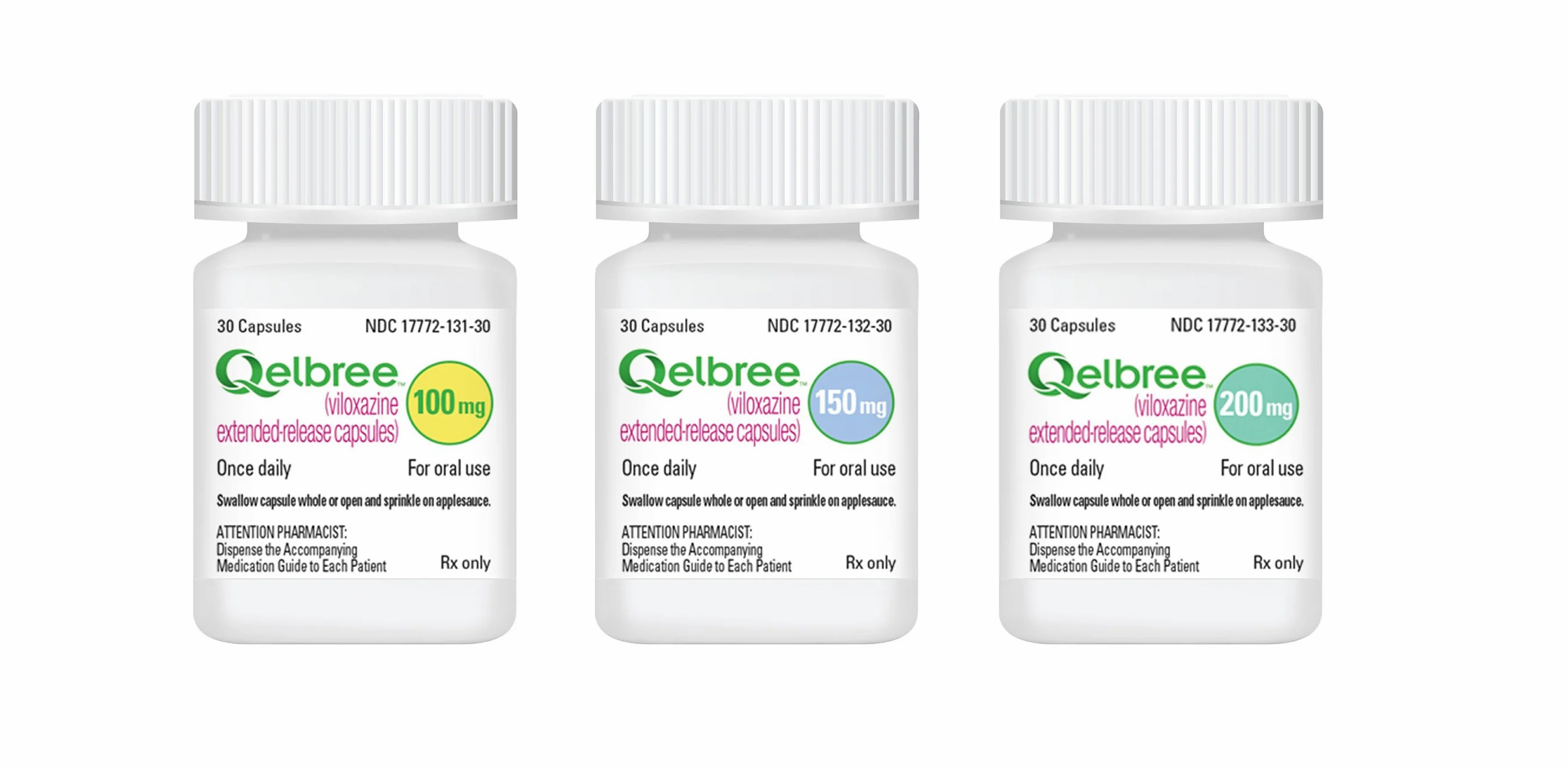
Viloxazine Hydrochloride is a drug used to treat attention deficit hyperactivity disorder (ADHD) in children and adolescents. It is a non-stimulant drug with a low risk of abuse and milder side effects. Therefore, it provides a new treatment option for patients who are not suitable for traditional CNS stimulant drugs. However, although veloxazine has proven to be an effective and well-tolerated drug in many patients, it may still cause some side effects. Understanding these side effects can help patients and medical providers better manage their medications.
Common side effects
1.Drowsiness and fatigue: One of the common side effects of veloxazine is drowsiness or fatigue, especially early in treatment. These symptoms are usually temporary and may improve after a few weeks of drug use. However, for some patients, drowsiness and fatigue may persist for a longer period of time. Such symptoms may affect patients' daily activities, especially children and adolescents who have high demands on study or work. When treated with veloxazine, patients may need to adjust the dosage under the guidance of their doctor to alleviate such side effects.
2.Loss of appetite: Another common side effect is a loss of appetite, which may lead to weight loss. Decreased appetite may be caused by veloxazine's effects on the central nervous system, and the drug may affect the brain's hunger regulation. However, symptoms of anorexia are usually mild, and as treatment continues, many patients gradually adapt to the effects of the medication and experience a reduction in symptoms. For some patients, dietary modifications or other measures may be needed to ensure nutritional intake.
3.Gastrointestinal discomfort: Veloxazine may also cause some gastrointestinal adverse reactions, including nausea, vomiting, abdominal pain or diarrhea. Gastrointestinal discomfort is common during the initial stages of medication, but in most cases, these symptoms will lessen as the body adjusts to the medication. To reduce the occurrence of gastrointestinal discomfort, patients can choose to take the medication after meals or adjust the dose. In addition, patients should also pay attention to maintaining adequate fluid intake to help relieve digestive discomfort.
Less common side effects
1.Headache: Veloxazine may also cause headache, which is a common adverse reaction in many patients during the early stages of treatment. Headaches are usually mild or moderate and can be relieved with rest and pain medication. However, long-term or severe headaches may affect a patient's compliance with treatment, so if headaches persist or worsen, patients should discuss with their doctor whether treatment needs to be adjusted.
2.Mood changes: Some patients may experience mood changes, including symptoms of anxiety, irritability, or depression while using veloxazine. Although these mood changes are relatively rare, they can impact a patient's mental health and daily life. Patients with anxiety or depression should use veloxazine with caution and closely monitor for mood swings during treatment. If serious emotional problems occur, patients should seek help from their doctor as early as possible and evaluate whether medication needs to be adjusted.
3.Changes in heart rate and blood pressure: In some cases, veloxazine may affect heart rate and blood pressure. Although such side effects are relatively rare, they should be monitored during treatment. If patients experience palpitations or blood pressure fluctuations during treatment, especially those with existing cardiovascular disease, they should communicate with their doctor in time for necessary examination and evaluation.
serious side effects
Although serious side effects are very rare, veloxazine may cause some reactions that should not be ignored, especially in sensitive individuals. For example, a very small number of patients may experience allergic reactions, including symptoms such as rash, difficulty breathing, and throat swelling. If these symptoms occur, stop using veloxazine immediately and seek emergency medical attention.
In addition, some patients, especially adolescents, may experience suicidal thoughts or self-harm while taking veloxazine. Although this side effect is rare, if these symptoms occur, the medication should be discontinued immediately and a professional psychological evaluation should be performed. Doctors usually monitor this condition closely, especially in the first few months of treatment.
In general, veloxazine is a non-stimulant drug for treating ADHD. Although the side effects are relatively few and mild, it may still cause some common and rare adverse reactions. Most side effects will alleviate over time, so patients should use the drug patiently under the guidance of a doctor and regularly evaluate the treatment effects and side effects. If side effects seriously affect the patient's daily life or treatment effect, the patient should communicate with the doctor and consider adjusting the treatment plan. By working closely with their doctor, patients can maximize the effectiveness of their treatment and effectively manage side effects.
Reference materials:https://www.qelbree.com/
[ 免责声明 ] 本页面内容来自公开渠道(如FDA官网、Drugs官网、原研药厂官网等),仅供持有医疗专业资质的人员用于医学药学研究参考,不构成任何治疗建议或药品推荐。所涉药品可能未在中国大陆获批上市,不适用于中国境内销售和使用。如需治疗,请咨询正规医疗机构。本站不提供药品销售或代购服务。


