
.jpeg)
What are the precautions for linezolid? Which patients are not suitable for use?
Linezolid (Linezolid) is an antibiotic mainly used to treat serious infections caused by Gram-positive bacteria, such as pneumonia, skin and soft tissue infections, etc. Although linezolid has significant efficacy in treating these infections, there are some caveats during use. First, linezolid can inhibit monoamine oxidase (MAO), which means it may interact with tyramine-containing foods (such as aged cheese, bacon, etc.) or certain drugs (such as norepinephrine, pseudoephedrine), causing an increase in blood pressure or a so-called "hypertensive crisis." Therefore, patients should avoid ingesting these foods or drugs while being treated with linezolid.
Linezolid is metabolized in the body and partially excreted by the liver. Caution is warranted when using linezolid in patients with hepatic or renal impairment. Liver and renal insufficiency may lead to accumulation of drugs in the body, thereby increasing the risk of adverse reactions. Therefore, patients with liver and kidney dysfunction need to adjust the dosage under the guidance of a doctor and regularly monitor liver and kidney function to ensure safe and effective treatment. During use, patients should regularly check blood indicators, especially platelet count and liver and kidney function, to detect potential problems early.
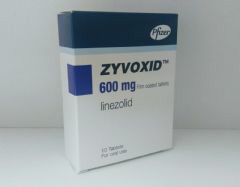
Linezolid may have effects on the hematologic system, especially with long-term use. Common adverse reactions include anemia, leukopenia, and thrombocytopenia, and the incidence of these hematological abnormalities is higher with long-term use. For patients who require long-term use of linezolid, doctors usually recommend regular blood tests so that these hematological problems can be detected and treated promptly. During the treatment, if the patient is found to have symptoms such as bleeding tendency, skin congestion or fatigue, the drug should be stopped immediately and medical help should be sought.
Although linezolid is very effective against many infections, it is not suitable for all patients. This drug should be avoided in patients with a known allergy to linezolid. In addition, patients with a history of pheochromocytoma, hypertension, cardiovascular disease, etc. should also use it with caution, especially when combined with other vasopressor drugs. Another patient group who are not candidates for linezolid are those receiving monoamine oxidase inhibitors (MAOIs), as their combined use may lead to serious drug interactions and increase the risk of hypertensive crisis. Therefore, when using linezolid, patients should fully report their medical history to their physician and follow their physician's medication recommendations.
Reference materials:https://go.drugbank.com/drugs/DB00601
[ 免责声明 ] 本页面内容来自公开渠道(如FDA官网、Drugs官网、原研药厂官网等),仅供持有医疗专业资质的人员用于医学药学研究参考,不构成任何治疗建议或药品推荐。所涉药品可能未在中国大陆获批上市,不适用于中国境内销售和使用。如需治疗,请咨询正规医疗机构。本站不提供药品销售或代购服务。


