
.jpeg)
Which generation of targeted drug is erlotinib? What are the advantages over gefitinib?
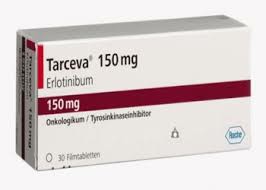
Erlotinib (Erlotinib) is a first-generation epidermal growth factor receptor (EGFR) tyrosine kinase inhibitor (TKI). It prevents the growth and spread of cancer cells by inhibiting the activity of EGFR tyrosine kinase. EGFR is a protein that is overexpressed in a variety of tumor types, especially in non-small cell lung cancer (NSCLC). EGFR mutations are often associated with tumor occurrence and malignancy. Therefore, the main mechanism of action of erlotinib is by targeting EGFR, especially EGFR mutations (such as L858R and Exon 19 deletion) type of non-small cell lung cancer patients can delay tumor progression by inhibiting receptor activity.
Erlotinib, as a representative of the first generation EGFR TKI, was approved for clinical treatment in the early 20th century and became one of the standard drugs for the treatment of EGFR mutation-positive non-small cell lung cancer. However, with the continuous progress in the development of targeted drugs, subsequent second- and third-generation EGFR TKI drugs have been launched one after another, and they have further improved the therapeutic effect in terms of efficacy and overcoming drug resistance.
Erlotinib versus gefitinib
Erlotinib and gefitinib (Gefitinib) are both first-generation EGFR TKI drugs. Their mechanisms of action are similar. They both interfere with the growth of tumor cells by inhibiting the tyrosine kinase activity of EGFR. Both can effectively treat EGFR mutation-positive non-small cell lung cancer, especially in patients who have not received chemotherapy, showing significant efficacy.
Although erlotinib and gefitinib are similar in mechanism, in clinical use, erlotinib has certain advantages in some aspects. For example, erlotinib has been found to be able to increase the therapeutic effect when used in combination with other drugs, especially when combined with chemotherapy drugs and other targeted drugs. This makes erlotinib widely used in a variety of treatment options. In addition, erlotinib may have a slightly stronger efficacy against brain metastases during treatment, which may provide an effective treatment option for NSCLC patients with brain metastases.
Erlotinib resistance problems and overcoming them
However, erlotinib, like gefitinib, faces the problem of drug resistance. Drug resistance usually occurs during treatment. Patients with EGFR mutations will develop drug-resistant mutations, such as the T790M mutation, which significantly reduces the therapeutic effect of the drug. For erlotinib and gefitinib, patients who respond to treatment usually develop drug resistance after 1 to 2 years, leading to disease progression.
In contrast, resistance to gefitinib is manifested by tumor progression and the emergence of the T790M mutation in some patients. However, in the case of erlotinib with such resistance mutations, the resistance problem can also be overcome by combining second- or third-generation TKI drugs (such as osimertinib). As a third-generation TKI, osimertinib can effectively inhibit the T790M mutation of EGFR, which greatly improves the efficacy of drug-resistant patients. Therefore, although erlotinib itself has resistance issues, it can still be used as part of combination therapy.
Clinical application and selection
In clinical applications, the choice between erlotinib and gefitinib depends on multiple factors, including the patient's specific EGFR mutation type, patient tolerance, whether there are complications, and the physician's individualized treatment decision. Erlotinib is commonly used as first-line treatment for patients with EGFR mutation-positive non-small cell lung cancer, especially during initial treatment. It can effectively inhibit the activity of EGFR kinase, slow down the progression of tumors, and improve the quality of life of patients. On the other hand, since gefitinib has similar efficacy and tolerability, the two can be used as alternative treatment options in the absence of specific needs.
In summary, although erlotinib and gefitinib are both first-generation EGFR TKI drugs with similar efficacy and side effects, in some cases erlotinib may provide better combination therapy and efficacy against brain metastases. With the continuous emergence of subsequent drugs, drug regimens for treating drug resistance are constantly being updated and improved.
Reference materials:https://en.wikipedia.org/wiki/Erlotinib
[ 免责声明 ] 本页面内容来自公开渠道(如FDA官网、Drugs官网、原研药厂官网等),仅供持有医疗专业资质的人员用于医学药学研究参考,不构成任何治疗建议或药品推荐。所涉药品可能未在中国大陆获批上市,不适用于中国境内销售和使用。如需治疗,请咨询正规医疗机构。本站不提供药品销售或代购服务。


