
.jpeg)
How effective is ivonib in the treatment of acute myeloid leukemia (AML)?
In clinical trials, ivosidenib has proven effective in patients with IDH1 mutation-positive acute myeloid leukemia. Especially in treatment-naïve patients and patients with relapsed/refractory AML who have not received chemotherapy, the application of ivonib has shown significant therapeutic effects. In an important phase III clinical trial, ivosidenib combined with chemotherapy significantly improved the complete response rate (CR) and progression-free survival (PFS) of patients. Compared with traditional treatment methods, ivosidenib provided higher efficacy and longer survival.
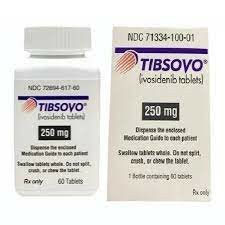
The efficacy of ivonib is not only reflected in the clinical relief effect, but also includes its improvement in quality of life. Compared with traditional chemotherapy methods, ivonib has milder side effects and is better tolerated by patients, especially in long-term treatment. Therefore, it has become an important treatment option in the treatment of acute myeloid leukemia, especially for IDH1 mutation-positive patients.
Side effects of ivonib are generally mild, with the most common side effects including nausea, fatigue, constipation, and abnormal liver function. Most side effects can be alleviated by symptomatic management, and ivonib causes relatively few side effects compared with traditional chemotherapy drugs. However, a small number of patients may experience more serious adverse reactions, such as QT interval prolongation or hepatotoxicity, and therefore require regular monitoring during use. In general, the side effects of ivonib are relatively controllable and well tolerated by patients.
Reference link: https://www.tibsovo.com/
[ 免责声明 ] 本页面内容来自公开渠道(如FDA官网、Drugs官网、原研药厂官网等),仅供持有医疗专业资质的人员用于医学药学研究参考,不构成任何治疗建议或药品推荐。所涉药品可能未在中国大陆获批上市,不适用于中国境内销售和使用。如需治疗,请咨询正规医疗机构。本站不提供药品销售或代购服务。


