
.jpeg)
FDA approves tepotinib as companion diagnostic in mNSCLC harboring MET exon 14 skipping alterations
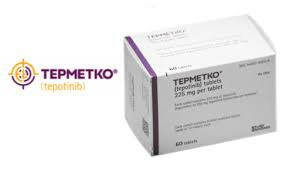
The U.S. Food and Drug Administration (FDA)has approvedFoundationOne Liquid CDx as a diagnostic adjunct to identify metastatic non-small cell lung cancer (NSCLC) patients with MET exon 14 skipping alterations who may be eligible for treatment with tepotinib.
On February 15, 2024, the FDA regularly approved tepotinib for the treatment of adult patients with non-small cell lung cancer carrying MET exon 14 skipping alterations. This regulatory decision follows accelerated approval of the drug for this indication in February 2021. Access to high-quality liquid biopsies, such as FoundationOne liquid CDx, can help more patients with non-small cell lung cancer unleash the power of precision medicine. Because it will help identify more patients with MET exon 14 skipping alterations who may be candidates for targeted therapy.
Findings from the Phase 2 VISION trial (NCT02864992) support accelerated approval and scheduled approval of tepotinib. A total of 313 patients with mNSCLC harboring MET exon 14 skipping alterations received tepotinib at the recommended dose of 450 mg once daily until unacceptable toxicity or disease progression. The primary efficacy endpoints were overall response rate (ORR) and duration of response (DOR). Among 164 previously untreated patients, the ORR was 57% (95% CI, 49%-65%), and 40% of responders had a DOR of at least 12 months. Among 149 treated patients, the ORR was 45% (95% CI, 37%-53%), and 36% of responders had a DOR of at least 12 months.
Further long-term efficacy study results showed that the median progression-free survival (PFS) of the initial treatment cohort was 12.6 months (95%CI, 9.7-17.7); the 12-month and 24-month progression-free survival rates were 52% (95%CI, 43.0%-60.0%) and 52.0% respectively. 38% (95% CI, 29.0%-47.0%); the 12-month and 24-month progression-free survival rates were 59% (95% CI, 48.0%-69.0%) and 42% (95% CI, 30.0%-53.0%) respectively. Median overall survival was 21.3 months (95% CI, 14.2-25.9) and 29.7 months (18.8 not evaluable) in the treatment-naïve and previously treated groups, respectively.
Responses to the EQ-5D-5L Visual Analog Scale and the EORTC Core Quality of Life (QOL) Global Health Status Questionnaire demonstrated that overall health-related quality of life outcomes were stable over time. EORTC QLQ-LC13 dyspnea and chest pain symptom scores remained stable, and cough symptom scores improved clinically.
A pooled safety population included448 patients with solid tumors who participated in 5 open-label, single-arm trials in which they received tiplutenib monotherapy at the recommended dose. 5 This population included 255 patients from the VISION trial. In the VISION safety population, 45% of patients experienced serious adverse effects (AEs), the most common being pleural effusion (7%), pneumonia (5%), dyspnea (3.9%), edema (3.9%"), worsening of general health (3.5%), musculoskeletal Pain (2%) and pulmonary embolism (2%). One patient each died from pneumonia, liver failure, and dyspnea due to fluid overload. The most common adverse events included edema, nausea, fatigue, musculoskeletal pain, diarrhea, dyspnea, decreased appetite, and rash.
靶向治疗引领了肺癌治疗方式的革命。 Biomarker testing plays a critical role in getting these treatments into the hands of patients. Thanks to non-invasive liquid biopsy, patients with advanced NSCLC have more treatment options.
References:https://www.onclive.com/view/fda-approves-companion-diagnostic-for-tepotinib-in-mnsclc-harboring-met-exon-14-skipping-alterations
[ 免责声明 ] 本页面内容来自公开渠道(如FDA官网、Drugs官网、原研药厂官网等),仅供持有医疗专业资质的人员用于医学药学研究参考,不构成任何治疗建议或药品推荐。所涉药品可能未在中国大陆获批上市,不适用于中国境内销售和使用。如需治疗,请咨询正规医疗机构。本站不提供药品销售或代购服务。


