
.jpeg)
What will happen after platinib resistance? How to judge and respond
Pralsetinib is a targeted drug targeting RET fusion gene mutations and has shown good efficacy in patients with non-small cell lung cancer (NSCLC) and thyroid cancer. However, like most targeted therapies, patients may develop resistance after being used for a period of time, causing the treatment effect to gradually decrease. Resistance usually occurs 6-12 months after taking the drug, and some patients may appear earlier.
Manifestations of drug resistance are diverse, including regrowth of previously shrunken tumors, emergence of new lesions, progression of lesions on imaging examinations, and worsening of clinical symptoms, such as recurrence of cough, shortness of breath, or chest pain. Once these conditions occur, patients should communicate with their doctor immediately and undergo detailed examinations, including imaging review and genetic testing, to confirm the resistance mechanism.
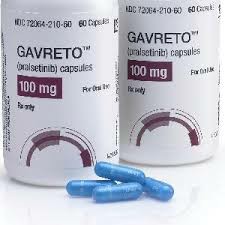
The resistance mechanism of platinib is relatively complex, and some patients will develop secondary mutations in the RET gene, making the drug unable to effectively inhibit the growth of cancer cells. In addition, tumor cells may bypass RET inhibition by activating other signaling pathways (such as MET, EGFR or KRAS, etc.) and continue to grow. Some patients' cancer cells may even undergo histological transformation, such as from adenocarcinoma to small cell lung cancer, a condition that is often no longer responsive to targeted drug therapy. According to different resistance mechanisms, subsequent treatment options are also different.
If it is a secondary mutation of the RET gene, there are currently no more powerful RET inhibitors approved, but new drugs may enter clinical trials, and patients can consider participating. In addition, if drug resistance is related to activation of other signaling pathways, doctors may recommend combination with other targeted drugs, such as MET or MEK inhibitors, to enhance the therapeutic effect. For partially drug-resistant patients, chemotherapy or immunotherapy are also options. In particular, patients with high PD-L1 expression may be more sensitive to immunotherapy. Therefore, after platinib resistance, patients should actively undergo genetic testing and find appropriate follow-up treatment strategies to extend survival and improve quality of life.
Reference materials:https://gavreto.com/
[ 免责声明 ] 本页面内容来自公开渠道(如FDA官网、Drugs官网、原研药厂官网等),仅供持有医疗专业资质的人员用于医学药学研究参考,不构成任何治疗建议或药品推荐。所涉药品可能未在中国大陆获批上市,不适用于中国境内销售和使用。如需治疗,请咨询正规医疗机构。本站不提供药品销售或代购服务。


