
.jpeg)
Warning: Clinicians use platinib to treat serious infections in non-small cell lung cancer
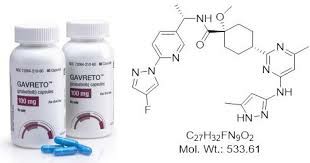
Rigel Pharmaceuticals, the manufacturer of pralsetinib, sent a letter to health care providers warning of the risk of serious and fatal infections in lung cancer patients observed in an ad hoc analysis of the AcceleleRET-lung Phase III trial (NCT04222972).
The U.S. Food and Drug Administration (FDA) approved platinib for RET fusion-positive non-small cell lung cancer (NSCLC) in August 2023. The drug is also approved for RET-mutant medullary thyroid cancer. But in July 2023, the drug's manufacturer withdrew the indication after determining that the Phase 3 AcceleRET MTC trial (NCT04760288) required to convert the drug's accelerated approval to full approval was no longer feasible.
1. Platinib infection data fromAcceleRET Lung
The AcceleRET Lung trial included 226 patients with metastatic RET fusion-positive non-small cell lung cancer. They were randomly assigned in a 1:1 ratio to receive platinib or standard of care (SOC). Treatment of SOC in patients with nonsquamous histology is platinum-based therapy with or without pembrolizumab, followed by maintenance platinum therapy with or without pembrolizumab. For patients with squamous cell histology, the SOC is platinum/gemcitabine or platinum + pembrolizumab + paclitaxel/nab paclitaxel followed by maintenance pembrolizumab.
Now the healthcare provider letter states that a special analysis of the trial showed an imbalance in the risk of serious and fatal infections, including serious opportunistic infections, between the platinib andSOC treatment groups. Specifically, in the platinib cohort, 13% (n=14) of patients experienced a fatal event, including 4.6% (n=5) of patients who experienced a fatal infection. In contrast, the mortality rate in the SOC group was 4.8% (n=5), with no patients dying from infection.
At the time of the special review,108 patients had received platinib and 104 patients had received SOC. Serious (grade 3-5) infectious events occurred in 25.9% (n=28) of patients in the platinib group compared with 7.7% (n=8). This demonstrated a significantly increased risk of serious infection in the platinib group (hazard ratio, 3.33; 95% CI, 1.57-7.06).
Half of the serious infections in the platinib group occurred within the first 66 days of treatment About half also occurred in the lungs. Most serious infections do not exclude their neutropenia or lymphopenia. Serious opportunistic infections, including Pneumocystis jiroveci pneumonia, cytomegalovirus pneumonia, Legionella pneumonia, and esophageal candidiasis, occurred in 7 (6.5%) patients receiving platinib and 0 patients receiving SOC.
These data support the conclusion that serious infections, including opportunistic infections, require updated product information in warnings and precautions to alert prescribers and patients of this risk.
2. What should you do if a patient develops infection while using Platinib?
Healthcare providers closely monitor patients receiving platinib for signs of infection. If infection is detected, treatment should be performed according to local or institutional guidelines. Clinicians should also ensure that patients are up to date on vaccinations. Platinib can be discontinued in patients with active infection. When the infection clears, dosing can be resumed by reducing the dose according to the prescribing information on the label. This drug should be permanently discontinued in patients who develop life-threatening infections.
Reference materials:https://www.oncnursingnews.com/view/letter-warns-clinicians-of-severe-infections-with-pralsetinib-for-nsclc
[ 免责声明 ] 本页面内容来自公开渠道(如FDA官网、Drugs官网、原研药厂官网等),仅供持有医疗专业资质的人员用于医学药学研究参考,不构成任何治疗建议或药品推荐。所涉药品可能未在中国大陆获批上市,不适用于中国境内销售和使用。如需治疗,请咨询正规医疗机构。本站不提供药品销售或代购服务。


