
.jpeg)
Which is more effective, linezolid or vancomycin? How to choose clinically?
Linezolid and vancomycin are both important antibiotics for the treatment of gram-positive bacterial infections, especially methicillin-resistant Staphylococcus aureus (MRSA) and vancomycin-resistant enterococci (VRE) infections. The two have different mechanisms of action. Linezolid is an oxazolidinone antibiotic that exerts a bactericidal or bacteriostatic effect by inhibiting bacterial protein synthesis, while vancomycin is a glycopeptide antibiotic that mainly exerts a bactericidal effect by inhibiting bacterial cell wall synthesis.
Linezolid is similarly effective as vancomycin in treatingMRSA infections, but in some cases, linezolid may have an advantage. For example, in hospital-acquired pneumonia (HAP) and community-acquired pneumonia (CAP) caused by MRSA, studies have shown that linezolid has better lung penetration and clinical cure rates than vancomycin, so linezolid may be a better choice in these infections. However, for bloodstream infections or endocarditis, vancomycin is more bactericidal and is generally considered a better option.
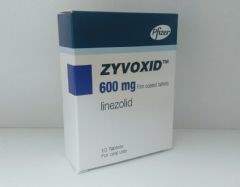
In clinical selection, doctors will decide which drug to use based on the type of infection, bacterial resistance and individual patient factors. If the patient has impaired renal function, linezolid is safer than vancomycin (which is excreted by the kidneys) because it is primarily metabolized by the liver. The main adverse reactions of vancomycin include nephrotoxicity and "red man syndrome", while linezolid may cause thrombocytopenia, lactic acidosis and peripheral neuropathy, so hematological indicators need to be monitored regularly during long-term use.
Taken together, linezolid and vancomycin each have their own advantages. Linezolid is suitable for patients with pulmonary infection, VRE infection and renal insufficiency, while vancomycin is still the drug of choice for bloodstream infection, bone and joint infection and endocarditis. The final treatment plan should be determined based on bacterial culture results, drug resistance testing, and the patient's individual situation to ensure the best therapeutic effect and safety.
Reference materials:https://go.drugbank.com/drugs/DB00601
[ 免责声明 ] 本页面内容来自公开渠道(如FDA官网、Drugs官网、原研药厂官网等),仅供持有医疗专业资质的人员用于医学药学研究参考,不构成任何治疗建议或药品推荐。所涉药品可能未在中国大陆获批上市,不适用于中国境内销售和使用。如需治疗,请咨询正规医疗机构。本站不提供药品销售或代购服务。


