
.jpeg)
How effective is tofacitinib in rheumatoid arthritis? How long does it take to take effect?
Tofacitinib is a Janus kinase (JAK) inhibitor, mainly through Inhibiting the JAK-STAT signaling pathway to regulate the immune system and reduce inflammatory response is widely used to treat rheumatoid arthritis (RA). It is indicated for patients with moderately to severely active RA who have not responded well to conventional antirheumatic drugs (DMARDs) or biologics, and can be used alone or in combination with methotrexate (MTX). Research shows that tofacitinib can effectively relieve arthritis symptoms, improve joint function, and reduce joint damage caused by disease progression.
The efficacy of tofacitinib in rheumatoid arthritis
Clinical trials and real-world data have shown that tofacitinib has good efficacy in RA patients. In pivotal phase III studies (such as the ORAL series of trials), tofacitinib significantly improved the clinical symptoms of RA patients, including reducing joint pain, swelling and morning stiffness, and improving the patients' quality of life. Additionally, it reduces the progression of synovitis and bone erosion, thus protecting joint structures.
In RA patients treated with tofacitinib, the Disease Activity Score (DAS28), the American College of Rheumatology (ACRACR span>) response criteria (ACR20, ACR50, ACR70) to evaluate efficacy. The study found that about 60%-70% of patients achieved ACR20 response after 12 weeks of treatment, that is, arthritis symptoms improved by at least 20%. About 40%-50% of patients achieve ACR50 (symptoms improve 50%), The proportion of ACR70 (symptom improvement 70%) is between 20%-30%. This demonstrates that tofacitinib not only provides short-term relief, but also continues to improve patients' conditions over a longer period of time.
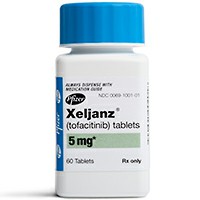
Tofacitinib onset time
Tofacitinib works faster than traditional DMARDs (such as methotrexate). Studies have shown that some patients can feel relief from symptoms, such as joint pain and morning stiffness, within 2 weeks of taking tofacitinib, while most patients can observe significant improvement after 4-6 weeks. For patients with difficult-to-treat RA, clinicians generally recommend continuing tofacitinib for at least 12 weeks to fully evaluate its efficacy. If a patient does not achieve expected treatment goals within 3-6 months, treatment may need to be adjusted.
It is worth noting that the efficacy of tofacitinib varies depending on individual patient differences, and influencing factors include the duration of the disease, baseline disease activity, and whether methotrexate or other DMARDs are used concomitantly. In addition, some patients may have a poor response to JAK inhibitors and need to switch to other types of RA treatment drugs.
Long-term efficacy and safety of tofacitinib
Long-term follow-up studies have shown that tofacitinib can maintain good efficacy during continued treatment and effectively control the disease progression of RA. However, long-term use of this medication may increase the risk of infections, especially herpes zoster, lung infections, and opportunistic infections. Therefore, before using tofacitinib, patients should be screened for active infection or potential risk of infection, such as tuberculosis (TB) or hepatitis B virus (HBV) infection.
In addition, tofacitinib may also affect blood lipids, liver enzymes and blood cell counts, so patients' blood indicators need to be monitored regularly during treatment. If a patient is at higher risk for serious infection, blood clots, or cardiovascular events, doctors may need to weigh the risks and benefits of tofacitinib and consider adjusting treatment.
Tofacitinib, an oral JAK inhibitor, has shown good efficacy in RA treatment. Most patients can see significant improvement within 4-6 weeks, and the best efficacy is achieved after 12 weeks. Long-term use can effectively control disease progression. However, the risk of infection, blood clots and other adverse reactions needs to be paid close attention to during treatment. For patients with RA who have responded poorly to traditional DMARDs or biologics, tofacitinib provides an important treatment option and can significantly improve patients' quality of life.
Reference materials:https://www.xeljanz.com/
[ 免责声明 ] 本页面内容来自公开渠道(如FDA官网、Drugs官网、原研药厂官网等),仅供持有医疗专业资质的人员用于医学药学研究参考,不构成任何治疗建议或药品推荐。所涉药品可能未在中国大陆获批上市,不适用于中国境内销售和使用。如需治疗,请咨询正规医疗机构。本站不提供药品销售或代购服务。


