
.jpeg)
Can evantumumab be used in patients with non-small cell lung cancer? What is the effect?
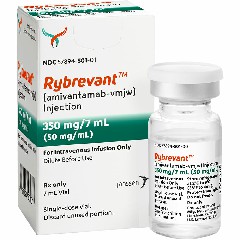
Amivantamab (Amivantamab) is a recombinant monoclonal antibody targeting EGFR (epidermal growth factor receptor) and MET (hepatocyte growth factor receptor). For the treatment of patients with non-small cell lung cancer (NSCLC), especially those with EGFR mutations and MET amplification. As a dual-target antibody drug, it blocks the growth and proliferation of tumor cells by inhibiting the signaling pathways of EGFR and MET, thereby exerting anti-tumor effects.
The mechanism of evantumumab in non-small cell lung cancer
Non-small cell lung cancer is the most common type of lung cancer, accounting for approximately 85% of all lung cancer cases. This type of lung cancer is usually associated with multiple molecular alterations, of which EGFR mutation and MET amplification are two important driving factors. EGFR mutations can cause lung cancer cells to be overly dependent on EGFR signals and promote tumor growth, while MET amplification is closely related to the proliferation, metastasis and treatment resistance of cancer cells.
Evantumumab can effectively inhibit the abnormal activation of these two pathways by simultaneously targeting EGFR and MET, thereby intervening in the growth and survival of tumor cells. By binding to the receptors of EGFR and MET, evantumumab can prevent the activation of these receptors, reduce downstream signaling, inhibit tumor proliferation, and may promote cancer cells to enter the apoptosis process. In addition, evantumumab further improves the therapeutic effect by mobilizing the immune system and activating anti-tumor immune responses.
Clinical effects of evantumumab
The clinical efficacy of evantumumab is mainly reflected in its treatment of patients with EGFR mutation-positive and MET amplified non-small cell lung cancer. Multiple clinical studies have shown that evantuzumab has significant efficacy in these patients, especially those who have responded to traditional EGFR-targeted drugs (such as gefitinib, erlotinib, etc.) or ALKInhibitor-resistant patients. Specifically, evantumumab can effectively control tumor growth and prolong progression-free survival (PFS) and overall survival (OS) during treatment.
In clinical trials, evantumumab significantly improved outcomes in patients with advanced non-small cell lung cancer harboring EGFR mutations. Especially for patients who have previously received targeted therapy (such as EGFR inhibitors) and have relapsed, evantumumab has shown good efficacy. Research results show that evantumumab can effectively control the disease and slow down the progression of tumors, providing a new treatment option, especially in the face of drug-resistant cases.
Safety and side effects of evantumumab
Similar to other targeted drugs, the side effects of evantumumab are usually mild to moderate, but some more serious reactions may occur. Common side effects include rash, diarrhea, fatigue, fever, and gastrointestinal discomfort. Some patients may experience allergic reactions, especially during the first dose. Therefore, patients need to be closely monitored when treated with evantumumab, especially during the initial stages of treatment.
In rare cases, evantumumab may cause more serious side effects, such as lung inflammation, severe skin reactions, and immune-related side effects. These conditions are rare but require prompt diagnosis and treatment. Particular care should be taken when using evantumumab in patients with severe lung disease or immune system disorders to ensure that patients are adequately monitored and supported while receiving treatment.
The application prospects of evantumumab
Evantumumab provides a new targeted treatment option for patients with non-small cell lung cancer, especially EGFR mutations and MET amplification. It not only treats known EGFR mutations, but also targets patients with MET amplification, enhancing the efficacy through a dual-target mechanism. This combined targeted therapy strategy not only improves the efficacy, but may also reduce the occurrence of drug resistance. It is an important innovation in the current field of cancer treatment.
As clinical research continues to deepen, the application scope of evantumumab may be further expanded. Its combination treatment regimen and combination treatment with other anti-cancer drugs will be further verified in future clinical practice. As the understanding of EGFR mutations and MET amplification mechanisms continues to deepen, evantumumab is expected to become a key drug in the treatment of patients with non-small cell lung cancer.
In general, evantuzumab (amivantamab) is a dual-target antibody drug that is useful for treating patients with EGFR mutations and METPatients with expanded non-small cell lung cancer showed significant efficacy. It provides a new treatment option for patients who are resistant to traditional treatments, especially when treating advanced or metastatic non-small cell lung cancer. It can effectively control tumor growth and prolong patient survival. Although some side effects may occur during treatment, its overall safety profile is good, and with the accumulation of clinical data, evantumumab has broad application prospects.
Reference materials:https://www.rybrevant.com/
[ 免责声明 ] 本页面内容来自公开渠道(如FDA官网、Drugs官网、原研药厂官网等),仅供持有医疗专业资质的人员用于医学药学研究参考,不构成任何治疗建议或药品推荐。所涉药品可能未在中国大陆获批上市,不适用于中国境内销售和使用。如需治疗,请咨询正规医疗机构。本站不提供药品销售或代购服务。


