
.jpeg)
Can clofazimine be used in combination with other anti-tuberculosis drugs?
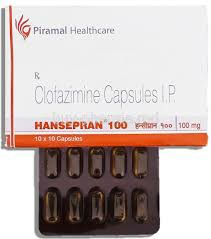
Clofazimine (Clofazimine) is a drug used to treat leprosy and drug-resistant tuberculosis and belongs to the class of antimycobacterial drugs. It exerts an antibacterial effect by binding to the DNA of mycobacteria and inhibiting their replication. Clofazimine is commonly used in the treatment of leprosy and as an adjunctive drug to enhance efficacy in the treatment of multidrug-resistant tuberculosis (MDR-TB) and extensively drug-resistant tuberculosis (XDR-TB). The use of clofazimine in combination therapy regimens has become particularly important due to drug resistance issues in Mycobacterium tuberculosis.
Combined use of clofazimine with other anti-tuberculosis drugs
When treating drug-resistant tuberculosis, clofazimine is often used in combination with other anti-tuberculosis drugs to increase the effectiveness of treatment. Since Mycobacterium tuberculosis readily develops resistance to conventional anti-tuberculosis drugs, combination therapy can minimize the development of resistance and improve cure rates. Common anti-tuberculosis drugs used with clofazimine include:
1.Rifampin (Rifampin): Rifampin is one of the basic drugs in tuberculosis treatment and has a powerful bactericidal effect on Mycobacterium tuberculosis. The combined use of clofazimine and rifampicin can exert a synergistic effect and increase the bactericidal effect. Although clofazimine and rifampin have different mechanisms of action, their combined use can effectively shorten treatment time and reduce the probability of drug resistance.
2.Isoniazid (Isoniazid): Isoniazid is another common anti-tuberculosis drug that inhibits cell wall synthesis of Mycobacterium tuberculosis. The combination of clofazimine and isoniazid is particularly suitable for the treatment of drug-resistant tuberculosis, which can improve the treatment effect and enhance the bactericidal activity of Mycobacterium tuberculosis. The combination of isoniazid and clofazimine can combat drug resistance in Mycobacterium tuberculosis and increase the effectiveness of treatment.
3.Quinolones (such as levofloxacin, moxifloxacin): As the second-line drug for the treatment of drug-resistant tuberculosis, quinolones have strong anti-tuberculosis effects. The combination of clofazimine and quinolones can provide more treatment options for the treatment of multidrug-resistant tuberculosis (MDR-TB) and extensively drug-resistant tuberculosis (XDR-TB). Quinolones kill Mycobacterium tuberculosis by inhibiting DNA synthesis, while clofazimine inhibits bacterial replication by binding to DNA. The combined use of the two can enhance the efficacy.
4.Aztreonam (Amikacin) and kanamycin (Kanamycin): These aminoglycoside antibiotics are commonly used to treat drug-resistant tuberculosis, especially tuberculosis bacteria that are resistant to rifampicin and isoniazid. Clofazimine combined with these drugs can improve the effectiveness of treating drug-resistant TB and reduce the spread of drug-resistant TB.
Advantages and precautions of joint use
1. Enhanced efficacy: The combined use of clofazimine with other anti-tuberculosis drugs can enhance the bactericidal effect against Mycobacterium tuberculosis. Especially in the face of drug-resistant tuberculosis, combined use can better inhibit the growth and reproduction of bacteria.
2. Reduce the occurrence of drug resistance: Single drug treatment may lead to the emergence of drug-resistant strains, but combined use can effectively reduce the incidence of drug-resistant strains and reduce the risk of treatment failure. By combining drugs with different mechanisms of action, the development of resistance to a single drug in M. tuberculosis can be avoided.
3.Shorten treatment time: When treating tuberculosis, combined treatment can improve the efficacy and help shorten the treatment cycle. By enhancing the drug's bactericidal effect, the condition improves more quickly during treatment, reducing the long-term treatment required for drug-resistant TB.
However, the combined use of clofazimine with other anti-tuberculosis drugs also requires attention to some issues:
1.Drug interactions: When clofazimine is used in combination with other anti-tuberculosis drugs, drug interactions may occur, affecting drug efficacy or increasing side effects. For example, clofazimine and rifampicin may have an impact on hepatic metabolism when used together, leading to fluctuations in drug concentrations, so liver function needs to be closely monitored.
2. Side effects management: Although the side effects of clofazimine are relatively mild, when used in combination with other anti-tuberculosis drugs, some side effects may be aggravated, such as abnormal liver function, gastrointestinal discomfort, etc. Especially during long-term treatment, patients may experience reactions such as rashes and eye changes, so regular monitoring is required.
3.Individualized treatment: Due to individual differences in tuberculosis patients, the selection of combined treatment options should be individually adjusted based on the specific conditions of the patient. The patient's age, gender, liver and kidney function, drug resistance, and other health conditions should be important basis for formulating treatment plans.
Clofazimine, a drug used to treat drug-resistant tuberculosis, is often used in combination with other anti-tuberculosis drugs to improve treatment efficacy, reduce the occurrence of drug resistance, and shorten treatment time. In clinical application, clofazimine has shown good efficacy when used in combination with rifampicin, isoniazid, quinolones, and aminoglycosides. However, during combination therapy, attention must be paid to drug interactions and side effects management to ensure the safety and effectiveness of the treatment. Therefore, when patients receive combined therapy, they should be monitored regularly according to the doctor's guidance to ensure the smooth progress of the treatment process.
Reference materials:https://www.novartis.com/our-products/pipeline/clofazimine
[ 免责声明 ] 本页面内容来自公开渠道(如FDA官网、Drugs官网、原研药厂官网等),仅供持有医疗专业资质的人员用于医学药学研究参考,不构成任何治疗建议或药品推荐。所涉药品可能未在中国大陆获批上市,不适用于中国境内销售和使用。如需治疗,请咨询正规医疗机构。本站不提供药品销售或代购服务。


