
.jpeg)
Does ruxolitinib tablets (JAKAVI) cause weight gain? What is the specific reason?
Ruxolitinib tablets (JAKAVI) is a targeted therapy drug mainly used to treat myelodysplastic syndromes (MDS) and certain types of blood cancers, such as polycythemia vera (PV) and primary myelofibrosis (PMF). It reduces abnormal blood cell proliferation and relieves symptoms and complications associated with these diseases by inhibiting the JAK-STAT signaling pathway. Although ruxolitinib tablets are effective in treatment, some patients may experience weight gain as a side effect during use.
The specific reason why ruxolitinib tablets cause weight gain is not completely clear, but it can be analyzed from several aspects:
3. Metabolic changes: Ruxolitinib tablets also have a certain impact on the metabolic process in the body. Medications may cause fat accumulation in the body, which may manifest as weight gain, by altering fat and sugar metabolism. This metabolic change may be related to the drug's action on the JAK-STAT pathway, which affects hormone levels in the body, especially insulin sensitivity, leading to weight gain.
4. Indirect effects of side effects: Side effects of ruxolitinib tablets may include fatigue, loss of appetite, etc. These factors may reduce the patient's activity level, thereby affecting energy consumption and leading to gradual weight gain. The patient's reduced activity and metabolic rate are also a cause of weight gain.
In short, ruxolitinib tablets may cause weight gain through multiple pathways such as fluid retention, increased appetite, and metabolic changes. During treatment, patients should pay close attention to changes in weight and maintain communication with their doctor. If weight gain affects quality of life or health status, the doctor may adjust the treatment plan or take other measures to manage this side effect.
Reference: https://www.jakavi.com/
The specific reason why ruxolitinib tablets cause weight gain is not completely clear, but it can be analyzed from several aspects:
1. Fluid retention: Ruxolitinib tablets may cause fluid retention, which means that the body's water cannot be discharged normally, leading to weight gain. Fluid retention often manifests as swelling, especially in the lower limbs or abdomen, which may affect weight. Fluid retention is a common side effect of many anticancer drugs and may be related to the drugs' effects on water and salt balance in the body and kidney function.
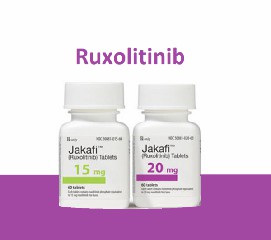
3. Metabolic changes: Ruxolitinib tablets also have a certain impact on the metabolic process in the body. Medications may cause fat accumulation in the body, which may manifest as weight gain, by altering fat and sugar metabolism. This metabolic change may be related to the drug's action on the JAK-STAT pathway, which affects hormone levels in the body, especially insulin sensitivity, leading to weight gain.
4. Indirect effects of side effects: Side effects of ruxolitinib tablets may include fatigue, loss of appetite, etc. These factors may reduce the patient's activity level, thereby affecting energy consumption and leading to gradual weight gain. The patient's reduced activity and metabolic rate are also a cause of weight gain.
In short, ruxolitinib tablets may cause weight gain through multiple pathways such as fluid retention, increased appetite, and metabolic changes. During treatment, patients should pay close attention to changes in weight and maintain communication with their doctor. If weight gain affects quality of life or health status, the doctor may adjust the treatment plan or take other measures to manage this side effect.
Reference: https://www.jakavi.com/
[ 免责声明 ] 本页面内容来自公开渠道(如FDA官网、Drugs官网、原研药厂官网等),仅供持有医疗专业资质的人员用于医学药学研究参考,不构成任何治疗建议或药品推荐。所涉药品可能未在中国大陆获批上市,不适用于中国境内销售和使用。如需治疗,请咨询正规医疗机构。本站不提供药品销售或代购服务。


