
.jpeg)
Does enzalutamide affect blood pressure?
Enzalutamide is an antiandrogen drug used to treat prostate cancer, specifically in patients with castration-resistant prostate cancer (CRPC). It inhibits the growth of tumors by inhibiting the activity of androgen receptors and reducing the stimulation of androgen to cancer cells. Although enzalutamide has significant efficacy in treating prostate cancer, it may also have some impact on patients' blood pressure, especially in certain patient groups.
Research shows that enzalutamide may affect blood pressure, specifically causing an increased risk of hypertension. Although high blood pressure is not a common side effect of enzalutamide, use of this drug may cause an increase in blood pressure in some patients. Clinical studies have found that some patients will experience mild to moderate increases in blood pressure during treatment, especially those with a history of hypertension. These increases in blood pressure are usually reversible, but if left unchecked, can affect a patient's cardiovascular health.
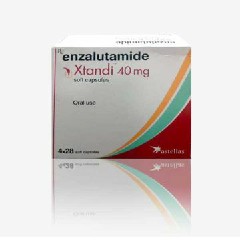
The exact mechanism by which enzalutamide causes an increase in blood pressure is not fully understood, but research speculates that it may be related to the drug's effects on the nervous system and endocrine system. By inhibiting the effects of androgens, enzalutamide may indirectly affect the contraction and relaxation of blood vessels, thereby causing an increase in blood pressure. In addition, enzalutamide may increase peripheral vascular resistance by affecting the activity of the sympathetic nervous system, thereby causing an increase in blood pressure.
Because enzalutamide may cause an increase in blood pressure, patients should have their blood pressure monitored regularly while taking this drug. For patients with existing hypertension, special attention is required when using enzalutamide, and the dose of antihypertensive drugs may need to be adjusted or the drug regimen changed to ensure that blood pressure remains within the normal range. If blood pressure continues to rise, your doctor may recommend suspending or reducing the dose of enzalutamide or taking other interventions if necessary.
Reference materials:https://www.xtandi.com/
[ 免责声明 ] 本页面内容来自公开渠道(如FDA官网、Drugs官网、原研药厂官网等),仅供持有医疗专业资质的人员用于医学药学研究参考,不构成任何治疗建议或药品推荐。所涉药品可能未在中国大陆获批上市,不适用于中国境内销售和使用。如需治疗,请咨询正规医疗机构。本站不提供药品销售或代购服务。


