
.jpeg)
Is Besudil suitable for use in combination with other immunotherapy drugs?
Belumosudil is a selectiveRhokinase2 ( ROCK2) inhibitors are mainly used to treat chronic GVHD (graft versus host disease), especially in patients who have failed traditional immunosuppressive therapy. As an immunomodulatory drug, besudil improves immune cell function and plays a regulatory role in the immune system by inhibiting the Rho kinase pathway. In recent years, the combined use of immunotherapy drugs has gradually become a trend in cancer treatment, as combination therapy has the potential to enhance efficacy and overcome resistance to monotherapy. However, the efficacy and safety of besudil combined with other immunotherapy drugs are still in the research stage, and it is worth exploring its suitability and potential benefits and risks.
1. The mechanism of action of besudil and the combined potential of immunotherapy
Besudil's mechanism of action mainly regulates immune responses by inhibiting Rhokinase2. Rhokinase 2 plays an important role in the immune system, especially in regulating T cell activity and immune tolerance. By inhibiting this pathway, Besudil alleviates the symptoms of chronic GVHD while avoiding excessive immunosuppression and reducing over-activation of the immune system. Although besudil has certain immunomodulatory effects, its mechanism of action is different from other common immunotherapy drugs (such as immune checkpoint inhibitors). Therefore, in theory, the combination of besudil and other immunotherapy drugs may produce complementary effects on the immune system and improve the effectiveness of treatment.
2. Combined use of besudil and immune checkpoint inhibitors
Immune checkpoint inhibitors (such as PD-1 inhibitors and CTLA-4 inhibitors) have become important drugs for the treatment of various cancers. These drugs relieve the inhibition of T cells, allowing them to recognize and attack cancer cells. Besudil, an immunomodulator, may offer new potential in the treatment of cancer or GVHD in combination with immune checkpoint inhibitors. For example, besudil may enhance the anti-tumor effect of immune checkpoint inhibitors by regulating T cell function. In addition, besudil may also have the potential to reduce immunotherapy-related side effects (such as immune-related adverse reactions), especially when used in combination with immune checkpoint inhibitors, which may reduce autoimmune diseases caused by excessive immune responses.
However, immune checkpoint inhibitors may cause severe immune-related side effects in some cases, including immune pneumonitis, enteritis, and hepatitis. The immunomodulatory effects of besudil may help alleviate these side effects, but special attention needs to be paid to immune system overreaction or potential immune tolerance issues. Therefore, the safety and efficacy of besudil combined with immune checkpoint inhibitors still need to be further verified in clinical trials.
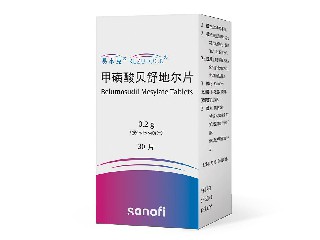
3. Combined use of besudil and other immunosuppressive drugs
The clinical application of Besudil is mainly focused on the treatment ofGVHD, and it can be used in combination with other immunosuppressive drugs. Traditional immunosuppressive therapies, such as steroids and cyclosporine, are often used to treat chronic GVHD, but these treatments can be associated with serious side effects, including long-term immunosuppression, increased risk of infection, and organ toxicity. Besudil combined with these drugs may help reduce steroid use and improve outcomes for patients with GVHD.
Studies show that besudil combined with steroids can reduce GVHD symptoms and improve patients' quality of life. In addition, besudil may also be used in combination with other immunosuppressive drugs (such as azathioprine, mycophenolate mofetil, etc.) to synergistically regulate the immune response through multiple mechanisms and reduce the occurrence of chronic GVHD. However, this combination therapy may lead to excessive immunosuppression and increase the risk of infection. Therefore, when using combination therapy, special attention needs to be paid to the patient's immune status and regular monitoring for the occurrence of infections and other side effects.
4. Challenges and prospects of combined use of besudil
Although besudil has some combination therapeutic potential as an immunomodulator, its use in combination with other immunotherapeutic drugs still faces some challenges. First, the safety of combined medications remains an important consideration. Immunotherapy drugs, especially immune checkpoint inhibitors, may cause serious immune-related side effects, and besudil, as an immunomodulator, may interact with the effects of these drugs, leading to immune system dysregulation. Therefore, the dose and duration of combination therapy need to be carefully designed to avoid excessive immunosuppression or the development of immune tolerance.
In addition, the clinical effect and long-term safety of besudil need to be verified through more clinical trials. Most current studies focus on the effect of besudil as a single agent in the treatment of chronic GVHD, while its combined effect with other immunotherapy drugs is unclear. Future clinical trials may further explore the use of besudil in combination with immune checkpoint inhibitors, immunosuppressive drugs, or other immunotherapy drugs to evaluate its therapeutic efficacy and side effects.
Besudil, as a new type of immunomodulator, has the potential to be used in combination with other immunotherapy drugs, especially in chronic GVHDand the treatment of certain tumors. It may enhance the effectiveness of other immunotherapy drugs and reduce side effects by modulating the function of the immune system. However, the safety and efficacy of combination therapy still need to be further verified through clinical trials. When besudil is used in combination with other immunotherapy drugs, the patient's immune status must be closely monitored and side effects managed. Overall, besudil has broad prospects for use in combination with other immunotherapy drugs, but more research is still needed to ensure its safety and effectiveness in clinical application.
Reference materials:https://www.rezuomib.com/
[ 免责声明 ] 本页面内容来自公开渠道(如FDA官网、Drugs官网、原研药厂官网等),仅供持有医疗专业资质的人员用于医学药学研究参考,不构成任何治疗建议或药品推荐。所涉药品可能未在中国大陆获批上市,不适用于中国境内销售和使用。如需治疗,请咨询正规医疗机构。本站不提供药品销售或代购服务。


