
.jpeg)
What are the side effects of Pitobrutinib?
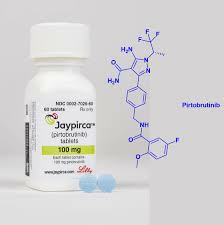
Pirtobrutinib is a new generation of highly selective, non-covalent Bruton's tyrosine kinase (BTK) inhibitor, mainly used to treat relapsed or refractory patients< span>Bcell malignancies, such as chronic lymphocytic leukemia (CLL) and mantle cell lymphoma (MCL). Unlike traditional covalent BTK inhibitors (such as ibrutinib and acalabrutinib), pitobrutinib can reverse drug resistance caused by BTK mutations and therefore has better efficacy in patients who have failed previous BTK inhibitor treatments. However, despite its stronger targeting, pitobrutinib may still cause a series of side effects that affect patients' quality of life and treatment tolerance.
1. Hematology-related adverse reactions
Pittobrutinib may cause varying degrees of myelosuppression, the most common of which are neutropenia, thrombocytopenia, and anemia. These adverse reactions are common in patients with B cell malignancies receiving BTK inhibitors and may result in increased risk of infection, bleeding tendencies, or symptoms of fatigue. Especially for patients who have received multiple lines of therapy in the past, hematological toxicity may be more obvious, so routine blood tests need to be monitored regularly, and granulocyte colony-stimulating factor (G-CSF) or blood transfusion support needs to be given if necessary.
2. Increased risk of infection
Because BTKinhibitors can affect B cell function, pitobrutinib may increase the risk of bacterial, viral, and fungal infections. Pneumonia, urinary tract infections, and upper respiratory tract infections are the most common types of infections, while the risk of herpes zoster and invasive fungal infections is also increased in immunocompromised patients. Therefore, some high-risk patients may require prophylactic anti-infective treatment, such as antiviral drugs (such as acyclovir) or antifungal drugs.
3. Cardiovascular system side effects
BTKInhibitors are associated with an increased risk of arrhythmia, atrial fibrillation, and hypertension. Although pitobrutinib, as a non-covalent BTK inhibitor, may reduce the incidence of these side effects, cardiovascular events still require attention. Patients should regularly monitor heart rate and blood pressure during treatment, especially those with a history of cardiovascular disease or those who are concurrently taking other drugs that affect heart function. If significant heart rhythm abnormalities occur, dose adjustments or treatment changes may be necessary.
4. Risk of bleeding
The BTK pathway plays an important role in platelet function, so BTK inhibitors may lead to an increased risk of bleeding, including skin ecchymoses, gum bleeding, nosebleeds, and even severe gastrointestinal or intracranial bleeding. Although pitobrutinib may have a lower risk of bleeding than traditional covalent BTK inhibitors, in patients receiving concomitant anticoagulants or antiplatelet drugs, the risk of bleeding needs to be carefully assessed and treatment adjusted if necessary.
5. Gastrointestinal adverse reactions
Pitobrutinib often causes diarrhea, nausea, vomiting, and decreased appetite. These symptoms are usually mild to moderate and can be relieved by symptomatic treatment (eg, antidiarrheals, antiemetics). Some patients may suffer from electrolyte imbalance or weight loss due to diarrhea. Therefore, during long-term treatment, attention should be paid to nutritional status, and diet or rehydration treatment should be adjusted as needed.
6. Abnormal liver function
BTKInhibitors may cause elevations in liver enzymes (ALT, AST elevations), and although hepatotoxicity with pitobrutinib is generally mild, a pause or dose adjustment may be required in some patients. Liver function should be monitored regularly during treatment, especially in patients with pre-existing liver disease or concomitant use of other drugs that may affect liver function.
7. Musculoskeletal-related adverse reactions
Some patients may experience muscle pain, joint pain, or muscle weakness during treatment with pitobrutinib, which may be related to the role of BTK signaling in bone and muscle tissue. Symptoms are usually mild to moderate and may be relieved by nonsteroidal anti-inflammatory drugs (NSAIDs) or physical therapy, but in patients with severe musculoskeletal pain, treatment may need to be adjusted.
8. Skin and subcutaneous tissue reactions
Pittobrutinib may cause rash, itching, or dry skin. These symptoms are usually mild and do not affect the continuation of treatment. However, a small number of patients may experience more serious skin adverse reactions, such as severe drug rash or the rare Stevens-Johnson syndrome (SJS), in which case the drug must be discontinued immediately and corresponding treatment measures must be taken.
9. Fatigue and Nervous System Effects
Fatigue, headache and dizziness are common adverse reactions ofBTK inhibitors, and pitobrutinib is no exception. Some patients may experience fatigue early in treatment, but this usually improves over time. For fatigue that seriously affects daily activities, you may consider adjusting the dose or taking supportive treatment, such as increasing rest time, optimizing nutritional support, etc.
Overall, the adverse effects of pitobrutinib are similar to other BTK inhibitors, but because it is a non-covalent BTK inhibitor, it may be lower in some aspects (such as cardiovascular and bleeding risks). However, the drug may still cause hematological toxicity, increased risk of infection, gastrointestinal reactions, liver function abnormalities, bleeding tendencies, skin reactions and neurological symptoms, so the patient's health needs to be closely monitored during treatment and dose adjustment or supportive treatment required based on the specific situation. For patients with underlying diseases or who are taking other drugs at the same time, a comprehensive evaluation is required before treatment to optimize the efficacy and reduce the risk of adverse reactions.
Reference materials:https://www.jaypirca.com/
[ 免责声明 ] 本页面内容来自公开渠道(如FDA官网、Drugs官网、原研药厂官网等),仅供持有医疗专业资质的人员用于医学药学研究参考,不构成任何治疗建议或药品推荐。所涉药品可能未在中国大陆获批上市,不适用于中国境内销售和使用。如需治疗,请咨询正规医疗机构。本站不提供药品销售或代购服务。


