
.jpeg)
Are there any skin reactions during sorafenib treatment?
Sorafenib is a multi-target tyrosine kinase inhibitor (TKI), mainly used to treat hepatocellular carcinoma (HC C), advanced renal cell carcinoma (RCC), and differentiated thyroid cancer (DTC). Its mechanism of action includes inhibiting tumor cell proliferation and angiogenesis, but due to the impact on skin microvessels and keratinocytes, patients may experience varying degrees of skin adverse reactions during treatment.
The most common skin reaction is hand-foot skin reaction (HFSR), which is characterized by erythema, pain, scaling, fissures, and even the formation of blisters or ulcers on the palms and soles of the feet. This reaction usually occurs within 2-6 weeks after the start of treatment and may affect the patient's quality of life. In severe cases, dosage adjustment or medication suspension may be required. The higher incidence of HFSR is related to the inhibitory effect of sorafenib on VEGFR and PDGFR, because these signaling pathways play an important role in skin microcirculation and repair processes.
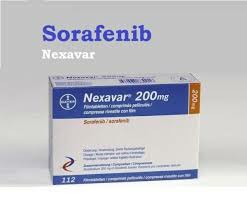
In addition to HFSR, sorafenib may cause other adverse skin reactions, such as rash, itching, dry skin, and pigmentation. These symptoms may be due to the drug's effect on skin barrier function, leading to skin moisture loss and increased inflammatory response. Some patients may also experience photosensitivity reactions, that is, the skin is more likely to develop erythema or burns after exposure to the sun. Therefore, they should avoid prolonged sun exposure and take sun protection measures during medication.
To reduce sorafenib-related skin reactions, patients should pay attention to skin care during treatment, such as keeping the skin moisturized, avoiding friction and irritation, wearing comfortable shoes and socks, and using topical skin care or anti-inflammatory drugs in the early stages of symptoms. For severe HFSR, it may be necessary to reduce the dose of sorafenib or briefly discontinue the drug, and then resume treatment after symptoms subside. Reasonable management measures can help patients better tolerate treatment and improve overall efficacy and quality of life.
Reference materials:https://www.nexavar.com/
[ 免责声明 ] 本页面内容来自公开渠道(如FDA官网、Drugs官网、原研药厂官网等),仅供持有医疗专业资质的人员用于医学药学研究参考,不构成任何治疗建议或药品推荐。所涉药品可能未在中国大陆获批上市,不适用于中国境内销售和使用。如需治疗,请咨询正规医疗机构。本站不提供药品销售或代购服务。


