
.jpeg)
Molotinib/mometinib shows real improvements in anemia, symptoms and splenic response in myelofibrosis
Momelotinib treatment improved anemia and increased transfusion independence (TI) in patients with myelofibrosis; the drug also relieved symptoms and controlled splenomegaly in patients previously exposed to a JAK inhibitor, according to submitted real-world data from a retrospective study. Among patients who were symptomatic at baseline (n=126), 92% experienced improvement in disease-related symptoms, including weakness (76%), anorexia (65%), weight loss (51%), abdominal discomfort (47%), and pruritus (75%). Improvements continued at the 3-month, 6-month, 9-month and 12-month assessments.
In addition, the mean hemoglobin level increased from 8.0 g/dL at baseline to 9.3 g/dL at 3 months and remained at 9.2 g/dL at 6 months. At 3-month follow-up, 48.4% of transfusion-dependent (TD) patients achieved TI before treatment with molotinib (n = 108); at 6, 9, and 12 months, these rates were 45.7%, 42.9%, and 44.4%, respectively. . Among TD patients, the median number of red blood cell (RBC) units per month decreased from 4 to 2.25.
Further analysis of transfusion intensity during treatment showed that 50.8% of patients transitioned to a lower category. Conversely, 41.1% remained in the same transfusion intensity category and 8.1% moved to a higher category.
Among patients with evaluable spleen response (n=45), 62.2% had an improvement in spleen size, with a median reduction of 5 cm. However, only 24.4% of patients met the European Leukemia Network (ELN) International Working Group on Myeloproliferative Neoplasms Research and Treatment (IWG-MRT) splenic response criteria, and these patients had a median loss of 10 cm. Of note, 26.7% of patients with evaluable splenic response (n=12) maintained stable splenomegaly without significant decrease; 3 patients were refractory and 2 had enlarged spleens.
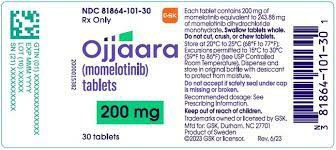
Molotinib significantly improved anemia in patients with myelofibrosis, and in patients exposed to JAK inhibitors, the incidence of TI was more pronounced than in patients without JAK inhibitors. Molotinib [was also] effective in relieving symptoms and controlling splenomegaly in patients previously treated with ruxolitinib, maintaining an acceptable safety profile.
In September 2024, based on data from the Phase III MOMENTUM trial (NCT04173494) and data from a subpopulation of adult patients with anemia participating in the Phase III SIMPLEX-1 trial (NCT01969838), molotinib was approved by the FDA for the treatment of adult patients with intermediate- and high-risk myelofibrosis and anemia. In both trials, molotinibBoth significantly improved anemia and resolved disease-related symptoms and splenomegaly in patients previously exposed to JAK inhibitors. In the phase 3 SIMPLIFY-2 trial (NCT02101268), molotinib also improved anemia and transfusion burden compared with ruxolitinib as first-line treatment. However, data on the drug's actual benefits are lacking. Therefore, the researchers conducted a multicenter, observational, retrospective study of 154 patients with myelofibrosis who received molotinib at 74 centers in Spain from March 2023 to July 2024 through the managed access program.
The retrospective study included patients who were not using JAK inhibitors and those who were exposed to JAK inhibitors. Patients also needed to have splenomegaly or symptoms and anemia, defined as a hemoglobin value less than 11 g/dL in men and less than 10 g/dL in women. Anemia was assessed based on the revised 2024 IWG-LN myelofibrosis criteria, and splenomegaly was assessed based on the 2013 ELN IWG-MRT criteria. Patients with baseline splenomegaly 5 cm beyond the left costal margin (LCM) can be evaluated for splenic response. Response criteria included a 50% reduction in baseline splenomegaly that was palpable 5 cm to 10 cm below the LCM and became nonpalpable, or a 50% reduction in baseline splenomegaly that was palpable 10 cm below the LCM. TD is defined as at least 1 RBC unit per month, or at least 3 units in the past 12 weeks.
Patients followed for more than 1 month were considered evaluable for efficacy; all patients receiving drug treatment at any dose level were included in the safety analysis.
The median hemoglobin at baseline was 8.0g/dL (range 4.7-13.5); the median platelet count was 16x10^9μL (range 3-1812); the median white blood cell count was 6.3x10^9μL (range 0.5-101). The median number of peripheral blasts was 1 (range 0-13). TD patients require an average of 3 units of red blood cells per month (range 1-8). After a median follow-up of 5.48 months (range 1-14), 79% of patients continued treatment. Death occurred due to infection (n=5), severe bleeding (n=3), PD (n=2) and unknown causes (n=1). Twenty-six patients required dose reductions and 10 patients temporarily discontinued treatment, primarily due to infection or cytopenias.
The most common adverse reactions (AEs) included diarrhea (any grade, 11.7%; grade 1/2, 9.7%; grade 3/4, 2.1%), thrombocytopenia (10%; 4.1%; 6 .2%), infection (9%; 4.8%; 2.8%), nausea (6.2%; 5.5%; 0.7%), hepatotoxicity (5.5%; 2.8%; 2.8%) and dizziness (5.5%; 4.1%; 0.7%). Other AEs observed included peripheral neuropathy (4.8%; 4.1%; 0.7%), anemia (4.2%; 2.1%; 2.1%), abdominal pain (2.8%; 2.8%; 0%), hypotension (2.1%; 1.4% ; 0.7%), renal insufficiency (2.1%; 1.4%; 0.7%), headache (1.4%; 0.7%; 0.7%), dyspnea (0.7%; 0%; 0%) and edema (0.7%; 0.7%; 0%).
Reference: https://www.onclive.com/view/momelotinib-shows-real-world-improvements-in-anemia-symptoms-and-spleen-response-in-myelofibrosis
[ 免责声明 ] 本页面内容来自公开渠道(如FDA官网、Drugs官网、原研药厂官网等),仅供持有医疗专业资质的人员用于医学药学研究参考,不构成任何治疗建议或药品推荐。所涉药品可能未在中国大陆获批上市,不适用于中国境内销售和使用。如需治疗,请咨询正规医疗机构。本站不提供药品销售或代购服务。


