
.jpeg)
Detailed instructions for Zolbetuximab-Vyloy: indications, usage, dosage and precautions
1. Generic name: zoltuximab for injection, zolbetuximab-clzb
Product name: Vyloy, Vyloy
Other names:IMAB362, zobetuximab, zobetuximab
2. Indications
Zotuximab is indicated for the first-line treatment of adult patients with locally advanced unresectable or metastaticHER2-negative gastric cancer and gastroesophageal junction adenocarcinoma (GEJ) . In particular, the patient's tumor needs to be confirmed to be Claudin 18.2 positive (i.e., ≥75% of the tumor cells show moderate to strong immunohistochemical staining of membrane CLDN18) through an FDA-approved test. The positive status of this tumor marker is a key factor in selecting treatment with zotuximab. As an innovative targeted antibody, zotuximab is mainly used in combination with chemotherapy regimens containing fluoropyrimidine and platinum, and is the first-line treatment option for this type of cancer.
3. Usage and dosage
Zotuximab is used in combination with fluoropyrimidine- and platinum-containing chemotherapy drugs. At the beginning of treatment, the first intravenous injection dose is 800 mg/m² (mg/m²). Subsequent doses can be adjusted to 600 mg/m² every 3 weeks or 400 mg/m² every 2 weeks according to the treatment plan. The specific dosage plan should be determined by the doctor based on the patient's actual condition. Treatment will continue until disease progression or unacceptable toxicity occurs.
During the administration process, if the patient develops symptoms such as nausea and vomiting before taking zotuximab, these symptoms need to be alleviated to below grade before the first infusion. At the same time, before each dose, patients need to take antiemetic drugs in advance, such as NK-1 receptor blockers, 5-HT3 receptor blockers or other designated drugs to effectively prevent adverse reactions such as nausea and vomiting.
It is important to note that when using zotuximab and chemotherapy drugs, zotuximab should be administered first to ensure the best effect of the drug. Also, although dose adjustment may be part of treatment, based on current clinical data, dose reduction of zotuximab is not recommended.
4. Adverse reactions
Zotuximab may cause some adverse reactions during clinical application. The most common side effects include nausea, vomiting, fatigue, decreased appetite, diarrhea, peripheral sensory neuropathy, abdominal pain, constipation, weight loss, allergic reactions, and fever. In addition, during clinical trials, patients may experience some laboratory abnormalities, such as reduced neutrophil count, leukopenia, thrombocytopenia, elevated liver function enzymes, increased creatinine, etc. These are important indicators that need to be monitored when using this drug.
For clinicians, understanding these possible adverse reactions and preventing and managing them in advance can effectively reduce patients' treatment risks. Especially during the treatment process, the patient's physical reaction should be closely observed and the treatment plan should be adjusted in a timely manner to ensure the patient's treatment safety.
5. Supply and storage
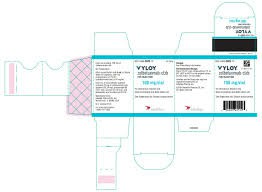
Zotuximab is administered as an injection in the form of a freeze-dried powder, with each bottle containing100 mg of the drug. This medicine must be stored at a low temperature of 2°C to 8°C, avoid freezing, and should be kept in the original packaging. When patients or medical institutions use them, they should ensure that the drugs are stored under specified storage conditions to maintain drug efficacy and ensure drug safety.
6. Use by special groups
For breastfeeding women, there are no data on whether zotuximab is excreted in breast milk and what effects it may have on the nursing infant. Considering the possible risks, it is recommended not to breastfeed during the use of zotuximab and for 8 months after the last dose to avoid possible adverse effects of the drug on the baby.
7. Mechanism of action
Zotuximab exerts anti-tumor effects by targetingClaudin 18.2 protein. Claudin 18.2 is a tight junction protein on the surface of gastric cancer cells. Zotuximab can specifically deplete Claudin 18.2-expressing cancer cells through mechanisms such as antibody-dependent cytotoxicity (ADCC) and complement-dependent cytotoxicity (CDC). Experimental results showed that zotuximab combined with chemotherapy showed enhanced anti-tumor activity in mouse tumor models.
This mechanism of action makes zotuximab effective against gastric cancer and gastroesophageal junction adenocarcinoma for which other treatments have limited effect, especially for those patients who areClaudin 18.2 positive, providing new treatment hope.
8. Precautions
Patients may experience allergic reactions, particularly infusion-related reactions, during treatment with zotuximab. Common adverse reactions include severe nausea and vomiting. Therefore, during the treatment process, patients need to receive adequate supportive care, such as using antiemetic drugs in advance, preventing and monitoring allergic reactions, etc. In addition, during the medication period, blood tests should be performed regularly to monitor possible laboratory abnormalities so that the treatment plan can be adjusted in a timely manner.
Reference materials:https://dailymed.nlm.nih.gov/dailymed/drugInfo.cfm?setid=e7695a21-abb6-47ac-93f8-0ece5a9c4409
[ 免责声明 ] 本页面内容来自公开渠道(如FDA官网、Drugs官网、原研药厂官网等),仅供持有医疗专业资质的人员用于医学药学研究参考,不构成任何治疗建议或药品推荐。所涉药品可能未在中国大陆获批上市,不适用于中国境内销售和使用。如需治疗,请咨询正规医疗机构。本站不提供药品销售或代购服务。


