
.jpeg)
How long is the usual course of mifamutide treatment? What are the criteria for evaluating treatment effectiveness?
When Mifamurtide (Mifamurtide) is used to treat osteosarcoma, the treatment course is usually long-term and varies depending on the patient's specific situation. Generally speaking, treatment with mivamutide usually includes two stages: initial treatment and maintenance treatment.
Initial treatment with mivamutide Initial treatment usually lasts from 4 to 8 weeks, during which time the patient receives an intravenous injection once a week. The goal of initial treatment is to enhance the antitumor effect by activating the immune system, especially in patients at high risk for recurrence after surgery. During treatment, doctors will closely monitor the patient's immune response and possible side effects. If initial treatment can effectively control the disease, the patient will enter the maintenance treatment phase.
The length of maintenance therapy and frequency of dosing will be adjusted based on the patient's specific condition. Generally speaking, maintenance treatment lasts for several months, usually 1 to 2 injections every month. Maintenance treatment may be continued depending on the patient's clinical response and tolerance of side effects. 6 months to 1 years, sometimes longer until the patient's immune system is stable and there are no signs of recurrence. ,
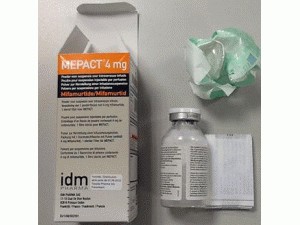
Efficacy evaluation of miavamutide treatment usually includes imaging examinations and clinical symptom monitoring. During the treatment process, the doctor will evaluate the treatment effect through the following criteria:
1.Imaging examinations: Regular imaging examinations such as These tests are key to determining whether the tumor is under control.
2.Tumor markers: In some cases, doctors may also test tumor markers (such as serum markers related to osteosarcoma) to understand the degree of tumor activity through blood tests.
3.Clinical symptoms: The patient's clinical symptoms are also an important criterion for evaluating the effectiveness of treatment. Patients who respond to treatment usually experience symptom relief, such as pain reduction and recovery of mobility.
In addition to the above examinations, doctors will also adjust treatment plans based on the patient's immune response, drug side effects and other signs. If, over the course of treatment, a patient's tumor shows signs of stabilization or regression, and side effects are effectively managed, treatment is generally considered to be effective.
xa0
References: https://pubmed.ncbi.nlm.nih.gov/23997016/
[ 免责声明 ] 本页面内容来自公开渠道(如FDA官网、Drugs官网、原研药厂官网等),仅供持有医疗专业资质的人员用于医学药学研究参考,不构成任何治疗建议或药品推荐。所涉药品可能未在中国大陆获批上市,不适用于中国境内销售和使用。如需治疗,请咨询正规医疗机构。本站不提供药品销售或代购服务。


