
.jpeg)
Analysis of Osimertinib/Tagressa’s Medical Insurance Price and Patient Burden Reduction in 2025
Osimertinib/Tagrisso (Osimertinib) is a targeted drug targeting EGFR mutations and is widely used to treat EGFR mutation-positive non-small cell lung cancer (NSCLC). Since its launch in China, osimertinib has become the drug of choice for many patients with advanced lung cancer due to its significant efficacy and fewer side effects. With the gradual adjustment of medical insurance policies in 2025, the price of osimertinib and the financial burden of patients have become the focus of many people's attention.
In the domestic market, the original drug of osimertinib is already available for purchase, mainly available in two specifications: 80mg and 40mg. Each box contains 30 tablets. Depending on the specifications of the medicine and the region, the price of each box is roughly between 4,000 yuan and 6,000 yuan. For patients on long-term treatment, this cost may pose a financial burden, especially if the disease requires long-term management. Therefore, how to reduce patients' treatment costs through medical insurance policies has become an important factor in the treatment process.
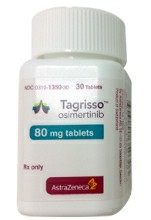
In 2025, osimertinib will be officially included in China's medical insurance reimbursement scope, which will bring significant economic relief to the majority of patients with non-small cell lung cancer. Through medical insurance reimbursement, patients can significantly reduce their out-of-pocket costs and reduce their treatment burden. Depending on different regions and specific medical insurance policies, patients' out-of-pocket expenses may be reduced by about 50% to 80%, which greatly reduces the cost of drug use and enables more patients to receive timely and effective treatment.
Although the price of osimertinib is relatively high, its powerful efficacy and improvement in patients' quality of life make its value in the treatment of non-small cell lung cancer cannot be ignored. Compared with traditional chemotherapy, osimertinib can not only improve progression-free survival (PFS), but also has better efficacy in patients with brain metastases, has relatively few side effects, and can significantly improve the patient's quality of life.
Reference materials:https://go.drugbank.com/drugs/DB09330
[ 免责声明 ] 本页面内容来自公开渠道(如FDA官网、Drugs官网、原研药厂官网等),仅供持有医疗专业资质的人员用于医学药学研究参考,不构成任何治疗建议或药品推荐。所涉药品可能未在中国大陆获批上市,不适用于中国境内销售和使用。如需治疗,请咨询正规医疗机构。本站不提供药品销售或代购服务。


