
.jpeg)
CBM588 plus cabozantinib/nivolumab shows early activity in metastatic renal cell carcinoma
CBM588 combined with cabozantinib and nivolumab improved progression-free survival (PFS) and objective response rate (ORR) but did not lead to a significant increase in Bifidobacterium spp. in patients with metastatic renal cell carcinoma (mRCC), according to updated data from a Phase 1 study (NCT05122546) shared during the 2025 Genitourinary Cancers Symposium.
About the relative abundance of Bifidobacteria. According to the Wilcoxon paired test, no statistically significant differences were observed between baseline and week 13 in the experimental group of CBM588 plus cabozantinib and nivolumab (P=0.3894) or the control group of cabozantinib plus nivolumab alone (P=0.9453). Furthermore, according to the Kruskal-Wallis test, there was no significant difference in alpha diversity between the study group (P=0.65) and the control group (P=0.17) between baseline and week 13.
The combination of cabozantinib and nivolumab with CBM588 (n=20) resulted in a median disease-free survival of 19.7 months, while the combination of cabozantinib and nivolumab resulted in a median disease-free survival of 13.4 months (n=10; HR, 0.74; 95% CI, 0.25-2.23; P=0.59). With CBM588 plus cabozantinib and nivolumab, the partial response (PR) rate was 84%; the stable disease rate (SD) was 5%, and the progressive disease rate (PD) was 11%. The response rate of cabozantinib combined with nivolumab treatment was 20%; the SD and PD rates were 50% and 30%, respectively.
Addition ofCBM588 to cabozantinib/nivolumab continues to show promising efficacy in mRCC with improved PFS and ORR. Safety is consistent with previous findings and supports further exploration in larger trials. Further translational work is ongoing to determine the mechanisms by which CBM588 enhances clinical activity.
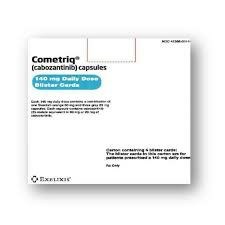
This single-center, randomized, open-label, investigator-initiated Phase 1 study enrolled patients with mRCC with measurable metastatic disease and clear cell, papillary and/or sarcomatoid components. All patients had an ECOG performance status of 0 or 1. They had not received previous systemic treatment for metastatic disease and did not have active autoimmune disease. They also did not receive high doses of steroids.
Participants Patients were randomized 2:1 to receive cabozantinib 40 mg daily plus 480 mg nivolumab every 4 weeks with or without 80 mg CBM 588 twice daily. The primary endpoint of the study was changes in bifidobacteria. Key secondary endpoints from baseline to week 13 are PFS, ORR and safety. Statistical analysis required 80% power to detect a change of 1 standard deviation in the genus Bifidobacterium. Between study groups of 30 patients, the one-sided type 1 error was 0.05 using a 2-group t test.
Previously published data showed that the study's primary endpoint was not met and that adding CBM588 to cabozantinib/nivolumab did not result in differences in the relative abundance of Bifidobacterium species. However, at this time point, with a median follow-up of 15.9 months (interquartile range 9.6-18.0), the ORR with the addition of CBM588 was 74%, compared with 20% with the addition of cabozantinib and nivolumab alone (P=0.01). The 6-month PFS rates were 84% and 60%, respectively.
According to the latest analysis,The median patient ages in the CBM588 group and non-CBM588 group were 68 years old (range 36-84 years old) and 60 years old (range 48-67 years old), respectively. In the CBM588 group, the majority of patients were male (75%), white (95%), non-Hispanic or non-Latino (55%), and had clear cytohistology (90%). Within this group, 45% had good prognostic risk, 35% had intermediate risk, and 20% had poor prognostic risk according to International Metastatic Renal Cell Carcinoma Database Consortium (IMDC) criteria. 70% of patients had previous nephrectomy. In the non-CBM588 group, half of the patients were male, and the majority were white (70%), Hispanic or Latino (60%), and had clear cytohistology (80%). In addition, 30%, 50%, and 20% of patients had favorable, intermediate, or poor-risk disease, respectively, according to IMDC criteria. 60% had previous nephrectomy.
In terms of safety, in theCBM588 group, 25% of patients experienced grade 2 adverse reactions (AEs) and 45% of patients experienced grade 3 adverse reactions. The most common adverse events were hypertension (Grade 2, 35%; Grade 3, 5%), transaminases (10%; 5%), palmoplantar erythrodysesthesia syndrome (PPE; 10%; 5%), diarrhea (5%; 10%), hypoalbuminemia (5%; 0%), anemia (5%; 0%), hypocalcemia (5%; 0%), and oral mucositis (0%). %, 5%). In the non-CBM588 group, the most common adverse events were hypertension (Grade 2, 60%; Grade 3, 10%), hypocalcemia (10%; 10%), PPE (10%; 0%), increased lipase (10%; %), hypoalbuminemia (10%), and transaminases (0%; 20%).
References:https://www.onclive.com/view/cbm588-plus-cabozantinib-nivolumab-shows-early-activity-in-metastatic-renal-cell-carcinoma
[ 免责声明 ] 本页面内容来自公开渠道(如FDA官网、Drugs官网、原研药厂官网等),仅供持有医疗专业资质的人员用于医学药学研究参考,不构成任何治疗建议或药品推荐。所涉药品可能未在中国大陆获批上市,不适用于中国境内销售和使用。如需治疗,请咨询正规医疗机构。本站不提供药品销售或代购服务。


