
.jpeg)
How is the efficacy of fostatinib evaluated?
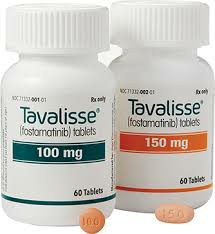
Fostamatinib is a Syk inhibitor that acts on the immune system by inhibiting the activity of Sykkinase and is mainly used for treatment Immune thrombocytopenia (ITP), rheumatoid arthritis (RA) and other diseases. Fostatinib can effectively regulate the immune response and suppress the overactive immune system, thereby alleviating the symptoms of these immune-related diseases. The evaluation of the efficacy of fostatinib usually relies on multiple evaluations such as improvement of clinical symptoms, changes in laboratory indicators, and monitoring of adverse reactions.
1. Effectiveness evaluation in immune thrombocytopenia (ITP)
Fostatinib was originally developed for immune thrombocytopenia (ITP), a disease caused by the immune system mistakenly attacking and destroying platelets. In the treatment of ITP, the efficacy of fostatinib is usually assessed by changes in platelet counts. The patient's increased platelet level after using fostatinib is an important indicator of the treatment effect. The effect can usually be observed within 6 weeks, and the platelet number of some patients will begin to increase significantly within a few days of treatment. The goal of treatment is to increase the platelet count to 50,000/μL or above, which is the standard goal for relieving ITP symptoms.
Clinical trial data show that fostatinib can effectively improve platelet levels in ITP patients and significantly reduce bleeding events in patients. Some studies have shown that among ITP patients treated with fostatinib, about 40% to 50% can achieve sustained platelet elevations, which provides patients with the possibility of long-term remission. However, the evaluation of the efficacy also needs to be combined with the patient's bleeding symptoms, such as skin purpura, nose bleeding, etc., to observe whether these symptoms are improved.
2. Effectiveness evaluation in rheumatoid arthritis (RA)
In addition toITP, fostatinib is also used to treat rheumatoid arthritis (RA). In the treatment of RA, fostatinib reduces inflammatory response by inhibiting the Syk signaling pathway, thereby reducing joint inflammation and pain. Evaluating the efficacy of fostatinib in the treatment of RA usually relies on the improvement of joint inflammation, which is evaluated by regularly assessing the patient's joint swelling, tenderness and functional scores.
RAAfter treatment with fostatinib, patients often experience improvements in symptoms such as pain relief, reduced joint swelling, and disappearance of morning stiffness. The evaluation criteria for treatment response include disease activity score (DAS28), joint function index (such asHAQ-DI), etc. These indicators help to objectively evaluate the patient's disease activity and functional status. Fostatinib can effectively improve joint function and reduce inflammatory response in patients with RARA. Some patients even achieve clinical remission within a few months after treatment.
3. Changes in laboratory indicators
The efficacy of fostatinib is not only evaluated through clinical symptoms, but also requires regular monitoring of some laboratory indicators, such as platelet count, white blood cell count, liver and kidney function , etc. These indicators help evaluate the therapeutic effects and side effects of drugs, and can also detect whether patients have adverse drug reactions. For example, in ITP treatment, changes in platelet count are the most direct indicator of efficacy. For RA patients, the efficacy of the drug can also be judged through changes in inflammatory indicators such as Creactive protein (CRP) and erythrocyte sedimentation rate (ESR). Typically, if these laboratory markers show a reduction in inflammation, the patient's clinical symptoms will improve accordingly.
In addition, the effect of fostatinib on liver and kidney function also requires close monitoring, especially liver function indicators (such asALT, AST) and renal function (such as creatinine, urea nitrogen). These examinations can help doctors detect potential liver and kidney damage in time and adjust treatment plans.
4. Monitoring of adverse reactions and evaluation of efficacy
In addition to the evaluation of efficacy, fostatinib Safety monitoring is also an important part of evaluating the therapeutic effect. Some adverse reactions may occur during treatment with fostatinib, such as Diarrhea, nausea, headache, abnormal liver function , etc. These reactions may affect the smooth progress of the patient's treatment. Therefore, while evaluating the efficacy, doctors also need to closely monitor adverse reactions, especially for patients undergoing long-term treatment . Based on the patient's response, the doctor may adjust the dose of the drug or the treatment plan to ensure that the patient can achieve the best efficacy while minimizing adverse reactions.
Fostatinib Efficacy evaluation is a multi-dimensional process involving clinical symptoms, laboratory tests, drug safety and other aspects. Based on these evaluation standards, doctors can judge the efficacy according to the patient's specific situation and adjust the treatment plan in a timely manner to ensure the maximum effect of the treatment and the minimum side effects.
xa0
Reference materials:https://www.tavalisse.com/
[ 免责声明 ] 本页面内容来自公开渠道(如FDA官网、Drugs官网、原研药厂官网等),仅供持有医疗专业资质的人员用于医学药学研究参考,不构成任何治疗建议或药品推荐。所涉药品可能未在中国大陆获批上市,不适用于中国境内销售和使用。如需治疗,请咨询正规医疗机构。本站不提供药品销售或代购服务。


