
.jpeg)
Does the therapeutic effect of enzalutamide decrease over time?
Enzalutamide is an androgen receptor antagonist primarily used to treat castration-resistant prostate cancer (CRPC), especially after chemotherapy or in patients who have not responded well to other treatments. It inhibits the activity of androgen receptors and blocks the stimulation of androgens on cancer cells, thereby slowing down the growth of cancer cells. However, as treatment progresses, some patients may experience weakening of treatment effects or resistance.
Although enzalutamide is effective in inhibiting cancer cell growth in the treatment of castration-resistant prostate cancer, many patients may develop resistance to the drug over time. Mechanisms of resistance may include mutation or overexpression of the androgen receptor. These changes allow the androgen receptor to continue activating cancer cell growth even after enzalutamide has bound and inhibited the normal function of the receptor. Another possible mechanism is through activation of other signaling pathways (such as the PI3K-AKT pathway), which can bypass the inhibition of androgen receptors and continue to support cancer cell proliferation and survival.
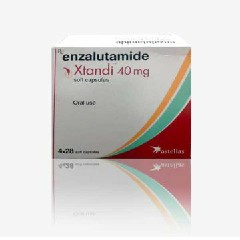
As the cancer progresses, the therapeutic effect of enzalutamide may gradually diminish even if a patient initially responds significantly to the drug. Clinically, some patients may experience another increase in prostate-specific antigen (PSA) levels within a few months or years after receiving enzalutamide treatment, which is usually a sign of drug resistance development. Although patients may experience temporary relief from symptoms, the effects often diminish over time, leading to disease progression.
In order to cope with the gradual weakening of the therapeutic effect of enzalutamide, combination therapy or drug intermittent treatment is sometimes used clinically to prolong the therapeutic effect. Common strategies include combining it with chemotherapy drugs (such as docetaxel) or other targeted drugs (such as abiraterone) to enhance the therapeutic effect. In addition, new treatments such as immunotherapy and PARP inhibitors also provide alternatives to enzalutamide resistance to a certain extent. Through these comprehensive strategies, some patients can maintain good disease control during treatment.
The efficacy of enzalutamide in the treatment of castration-resistant prostate cancer diminishes over time, and some patients develop drug resistance. Resistance may result from mutations in the androgen receptor or activation of other signaling pathways. In order to delay or overcome this weakening effect, combination therapy or other alternative treatments are often used clinically. However, each patient responds differently, so treatment options need to be individualized based on the patient's specific condition.
xa0
Reference materials:https://www.xtandi.com/
[ 免责声明 ] 本页面内容来自公开渠道(如FDA官网、Drugs官网、原研药厂官网等),仅供持有医疗专业资质的人员用于医学药学研究参考,不构成任何治疗建议或药品推荐。所涉药品可能未在中国大陆获批上市,不适用于中国境内销售和使用。如需治疗,请咨询正规医疗机构。本站不提供药品销售或代购服务。


