
.jpeg)
How does Fezonatant relieve menopausal symptoms?
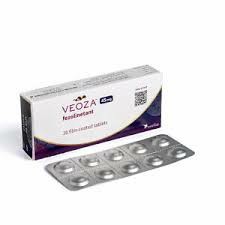
Menopause is a natural stage in a woman's life that usually occurs between the ages of 45-55 and marks the permanent cessation of menstruation. As estrogen levels drop, women may experience hot flashes, night sweats, sleep disturbances, mood swings, and cognitive problems. Traditional hormone replacement therapy (HRT) is the mainstay of treatment, but due to its increased risk of breast cancer, blood clots and cardiovascular disease, many women want to find non-hormonal treatment options. Fezolinetant (Fezolinetant), as a new non-hormonal drug, has shown significant efficacy in relieving menopausal symptoms.
1. Mechanism of action of filazonatant
Fizonatant is a selective neurokinin 3 receptor (NK3R) antagonist. Its mechanism of action is based on regulating the neural pathways of the body temperature center, helping to relieve menopausal symptoms such as hot flashes.
During menopause, estrogen levels drop, causing the hypothalamus the thermoregulatory center (POAH area) to become dysfunctional, making it overly sensitive to changes in body temperature. This triggers hot flashes and night sweats, and even at normal temperatures, the brain mistakenly thinks your body temperature is too high, triggering cooling mechanisms (such as skin blood vessels dilating and sweating).
Fezonatant blocks NK3 receptors and inhibits the excessive stimulation of the hypothalamus by neurokinin B (NKB), thereby helping to restore the stability of body temperature regulation and reduce the frequency and severity of hot flashes.
2. Relieve hot flashes and night sweats
Hot flashes (Hot flashes) are the most common symptom of menopause, affecting more than 75% of women and may last for years. Hot flashes usually manifest as a sudden feeling of heat, skin flushing, and increased sweating. In severe cases, it may even affect sleep and the quality of daily life.
Clinical studies show that fezonatant can reduce the number of hot flashes in just 3 days and significantly reduce the incidence and severity of hot flashes in 12 weeks.
Fezonatant reduced the number of hot flashes by approximately 50-60% compared to placebo , and the effect remains stable during long-term use.
Because it does not contain estrogen, filazonatant is suitable for women who are not suitable or unwilling to receive hormone therapy, such as those with a history of breast cancer or blood clots. Patients with a history of breast cancer or blood clots.
In addition, night sweats (night sweats) are also a manifestation of hot flashes, which often affect sleep quality, leading to fatigue and cognitive decline. Fezonatant can effectively reduce nighttime sweating by stabilizing body temperature regulation, thereby improving sleep quality.
3. Improve sleep quality
Many menopausal women Awake frequently due to hot flashes, resulting in sleep disruptions that may lead to chronic insomnia, fatigue and decreased concentration over time .
Fezonatant can improve overall sleep quality by reducing the number of nighttime hot flashes, helping patients fall asleep faster and reduce nighttime awakenings.
In clinical studies, after taking fezonatant for 12 weeks, patients' sleep duration was significantly prolonged, nighttime awakenings were reduced, and their mental status during the day was significantly improved.
Because Fezonanet does not contain sedative ingredients, it does not cause daytime drowsiness or dependence like some sleep aids (such as benzodiazepines).
4. Improve mood and cognitive function
Menopause not only affects physical health, but may also cause anxiety, depression, irritability and memory loss. These symptoms are associated with changes in hormone levels and reduced sleep quality .
Fezonatant indirectly helps stabilize mood and reduce irritability and anxiety caused by lack of sleep by improving sleep and reducing hot flashes .
Some studies have found that the neurokinin system is related to cognitive function, and that fezonatant may have potential benefits in improving memory decline during menopause , but further research is needed.
Compared with hormone therapy, filzonetam does not affect breast or uterine tissue and is safer for long-term use, so it is more suitable for women who are at risk of breast cancer or are sensitive to hormones.
5. Safety and Side Effects
As a non-hormonal treatment, filazonatant has demonstrated good safety in clinical studies . However, you still need to pay attention to its possible side effects, including:
Mild Headache, nausea, fatigue (usually transient and relieved after taking a few days).
A few patients have experienced elevated liver enzymes It is recommended to monitor liver function regularly.
Risk of hypotension: Some patients may experience a slight drop in blood pressure, especially if they are combined with antihypertensive drugs and should be used with caution.
Overall, fezonatant has fewer side effects and does not increase the risk of breast cancer or blood clots like hormone therapy, making it a safe option for managing menopausal symptoms .
Fezolinetant (Fezolinetant) is a non-hormonal menopausal treatment drug that effectively reduces hot flashes and night sweats, and improves sleep quality and mood by regulating the hypothalamic temperature center. Compared with hormone replacement therapy (HRT), fezonatant has no risk of breast cancer or blood clots and is more suitable for women who are not suitable for hormone therapy. Overall, fezonatant is a safe, effective, and well-tolerated menopausal symptom management option, providing women with a new treatment option.
xa0
Reference materials:https://www.veozah.com/
[ 免责声明 ] 本页面内容来自公开渠道(如FDA官网、Drugs官网、原研药厂官网等),仅供持有医疗专业资质的人员用于医学药学研究参考,不构成任何治疗建议或药品推荐。所涉药品可能未在中国大陆获批上市,不适用于中国境内销售和使用。如需治疗,请咨询正规医疗机构。本站不提供药品销售或代购服务。


