
.jpeg)
A must-read for HIV-infected people: Scientific response strategies for missing doses of Bituvi/Bikernoprenol tablets for 24 hours
When HIV-infected patients encounter the situation of missing a single dose of Bituvail/Bikronol Tablets, its clinical impact and remedial measures need to be comprehensively evaluated based on pharmacokinetic properties and virological breakthrough thresholds. As a typical representative of the current single-tablet regimen (STR), the half-life characteristics of Bictegravir in the human body are significantly different: the half-life of the integrase inhibitor Bictegravir is as long as 18.4 hours, while TAF/FTC are 0.92 hours and 10.4 hours respectively. This heterogeneity of drug metabolism determines that timely recovery within 12-18 hours after a missed dose can still effectively maintain the critical trough concentration (Ctrough).
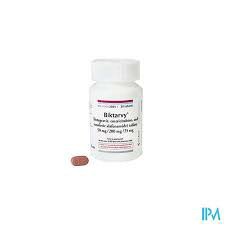
According to clinical guidelines, if the original medication time has not exceeded18 hours, a single dose can be taken in a timely manner to continue the treatment plan normally. However, if this time limit is exceeded, special caution is required: At this time, you should first evaluate whether there are other missed doses in the last 72 hours. If it is an isolated missed dose event, the original treatment plan can still be maintained after taking the dose immediately, but the fluctuation of viral load in the next dosing cycle needs to be closely monitored. It is worth noting that even in this case, double dose compensation is strictly prohibited, as it may cause an instantaneous increase in blood drug concentration and trigger a toxic accumulation reaction.
Clinical drug resistance monitoring data reveal that the risk of virological breakthrough caused by a single missed dose is only0.74%, but there are significant individual differences in this situation. For patients whose baseline CD4+ T cell count is <200/μL or who have a complicated treatment history (such as previous virological failure), missing doses can extend the time when BIC exposure levels are below the inhibitory threshold (1.7ng/mL) to 42 hours, which will significantly increase the risk factor for the development of integrase resistance mutations (such as Q148H/K/R). Therefore, after missing a dose, this group of people is recommended to undergo enhanced disease load testing (blood collection on the 7th and 14th day after missing a dose) in addition to timely replenishing the dose. From the perspective of systems biology, the dynamic imbalance of drug concentration gradients inside and outside cells may activate the reactivation pathway of dormant reservoir viruses. At this time, drug concentration monitoring and immune activation marker (such as IP-10) detection need to be integrated to achieve precise intervention.
Reference materials:https://www.biktarvy.com/
[ 免责声明 ] 本页面内容来自公开渠道(如FDA官网、Drugs官网、原研药厂官网等),仅供持有医疗专业资质的人员用于医学药学研究参考,不构成任何治疗建议或药品推荐。所涉药品可能未在中国大陆获批上市,不适用于中国境内销售和使用。如需治疗,请咨询正规医疗机构。本站不提供药品销售或代购服务。


