
.jpeg)
None
Patients with EGFR-mutant non-small cell lung cancer treated with osimertinib/Tagressa experienced more cancer treatment-related cardiac events compared with patients treated with other EGFR tyrosine kinase inhibitors. Although osimertinib is associated with prolonged survival compared with gefitinib (AstraZeneca Iressa) or erlotinib in patients with EGFR variants, long-term outcomes may be affected by significant cardiac risks—especially given the high prevalence of EGFR variants in Asian populations (approximately 50%).
A retrospective study involving a Japanese population reported grade 3 or higher adverse cardiac events in nearly 5% of patients, a rate higher than that observed in clinical trials. The current study showed an even higher rate of cardiovascular toxic effects, 14.9%, including new arrhythmias, valvular heart disease, myocardial infarction and heart failure. This is consistent with a case series in which the clinical phenotype in the osimertinib group was more severe than previously thought. Previous studies have shown that osimertinib mesylate can prolong survival compared with first- or second-generation EGFR TKIs.
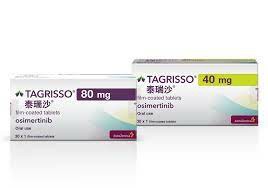
A concurrent cohort study compared cancer treatment-related cardiac events according to the type of treatment patients with EGFR-mutated non-small cell lung cancer received. CTRCEs include new arrhythmias, valvular heart disease (moderate and above), myocardial infarction, and heart failure. The researchers adjusted analyzes to account for age, sex, smoking, alcohol use, body mass index, cardiovascular comorbidities, chest radiation therapy, and cardiovascular medication. The researchers also compared OS with osimertinib and other EGFR TKIs. The cohort included 401 patients (63.1% female; mean age, 69.2 years) who initiated treatment between September 2019 and July 2022. A similar proportion of patients received osimertinib (48.6%) or other EGFR TKIs (51.4%).
After a median follow-up of 23.2 months, the results showed that the incidence of CTRCEs was significantly higher in the osimertinib group (14.9% vs. 4.4%; HR=3.37, 95% CI, 1.56-7.26). This finding persisted in analyzes after adjustment for relevant cardiovascular risk factors (adjusted subdistribution HR=4; 95% CI, 1.81-8.85). CTRCEs were also independently associated with OS (HR=4.02, 95% confidence interval 2.44-6.63).
The researchers acknowledged the study's limitations, including its retrospective nature and lack of data on the impact of osimertinib-induced cardiotoxic events on patients' quality of life. Additionally, due to the timing of treatment initiation, not all patients receivedRoutine echocardiography recommended in the European Society of Cardiology guidelines published in 2022. These findings highlight the importance of cardiac monitoring in assessing cardiovascular toxic effects in these patients, regardless of pre-existing cardiac risk factors.
References:https://www.healio.com/news/hematology-oncology/20250127/osimertinib-linked-to-more-therapyrelated-cardiac-events-than-other-tkis-for-nsclc
[ 免责声明 ] 本页面内容来自公开渠道(如FDA官网、Drugs官网、原研药厂官网等),仅供持有医疗专业资质的人员用于医学药学研究参考,不构成任何治疗建议或药品推荐。所涉药品可能未在中国大陆获批上市,不适用于中国境内销售和使用。如需治疗,请咨询正规医疗机构。本站不提供药品销售或代购服务。


